Read on the Guardian
Cultural Insensitivity in Food: The British Baker Controversy in Mexico
A recent controversy involving British baker Richard Hart has ignited a fierce debate about cultural sensitivity, culinary colonialism, and the ethics of foreign business ventures. After making dismissive comments about Mexico's bread culture on a podcast, Hart faced widespread backlash from food bloggers, chefs, and the Mexican public, who accused him of disrespecting a cherished national tradition. This incident highlights the complex dynamics of globalization, the deep emotional connection to food as cultural identity, and the responsibilities of outsiders entering new markets. The case serves as a cautionary tale for entrepreneurs and public figures about the importance of respect, research, and humility when engaging with foreign cultures.
The intersection of food, culture, and business is often a delicate space, where a single misstep can ignite international controversy. A recent incident involving British baker Richard Hart in Mexico City has become a textbook case of cultural insensitivity, sparking a vital conversation about respect, culinary colonialism, and the responsibilities of foreign entrepreneurs. Hart's comments, which dismissed Mexico's rich bread-making heritage, have provoked a significant backlash, revealing deeper tensions about globalization and cultural preservation.
The Controversial Comments and Immediate Backlash
On the PopFoodie Radio podcast in April, Richard Hart, a baker with credentials from working with Gordon Ramsay and Noma's René Redzepi, made several inflammatory statements. He claimed Mexico does not "really have much of a bread culture," criticized the country's wheat as "not good … completely highly processed, full of additives," and derided the classic tortas sandwich for being made "on these white ugly rolls that are pretty cheap and industrially made." These remarks, which went viral in December, were perceived not as culinary critique but as a profound insult to a nation where food is a cornerstone of identity.
The reaction from Mexico's food community was swift and fierce. Pastry chef Tania Medina likened Hart to Christopher Columbus on TikTok, accusing him of wanting to "stomp on where you’re going to open" a business. Food blogger Rodrigo Sierra, whose reaction video also went viral, emphasized the defensive pride Mexicans have in their culture and traditions. He argued Hart's comments were "very ignorant" and failed to consider their consequences, especially in a city already experiencing tension over foreign arrivals driving up local rents.
Mexico's Rich and Diverse Bread Culture
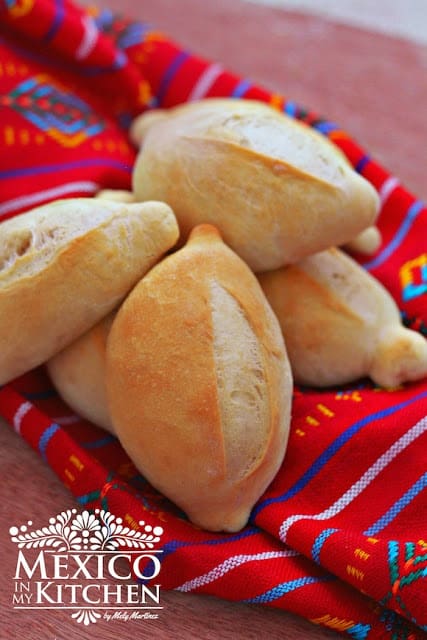
Contrary to Hart's assertion, Mexico possesses a vibrant and ancient bread culture deeply embedded in its social and ritual life. As highlighted in the backlash, the country boasts over 600 distinct types of bread. The bolillo, the white roll Hart specifically criticized, is a practical, everyday staple designed to be affordable and accessible across all social classes. It is not merely bread; it is a vehicle for community and sustenance.
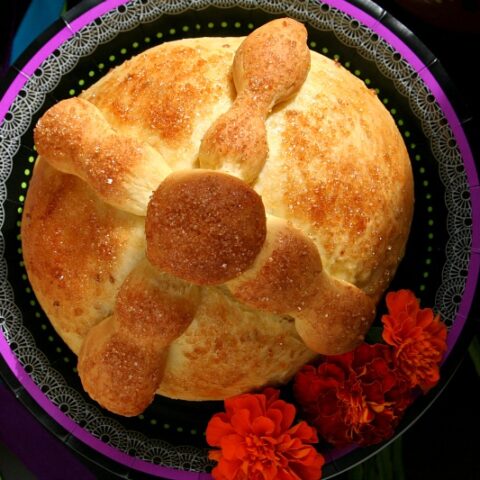
Beyond the bolillo, bread plays a ceremonial role. Pan de muerto (bread of the dead) is a central element of the Día de los Muertos (Day of the Dead) celebrations, placed on altars to honor deceased loved ones. This connection between bread, ritual, and memory underscores a cultural depth that extends far beyond commercial or aesthetic considerations. Sierra pointedly challenged Hart's "Eurocentric view," stating that the absence of European-style breads does not equate to a lack of bread culture.
The Apology and Broader Context of Culinary Colonialism
Facing intense public pressure, Richard Hart issued an apology on Instagram. He expressed his love for Mexico and its people but conceded, "my words did not reflect that respect – in this country I am a guest and I forgot to act like one." This incident is not isolated. It fits a pattern of British chefs facing backlash for altering or disparaging national cuisines, from Jamie Oliver adding chorizo to paella to Nigella Lawson putting cream in carbonara.
These episodes collectively point to a phenomenon often described as culinary colonialism or gastronomic imperialism—where outsiders, often from historically dominant cultures, presume to critique, "improve," or redefine the foodways of others without deep understanding or respect. It raises ethical questions about power, privilege, and who has the authority to define authenticity in a globalized food landscape.
Key Takeaways for Global Business and Cultural Exchange
The Richard Hart controversy offers several critical lessons for entrepreneurs, chefs, and anyone operating across cultural boundaries. First, thorough cultural due diligence is non-negotiable. Understanding the historical, social, and emotional significance of local traditions is essential before offering public critique. Second, humility and the posture of a learner, rather than a teacher or savior, are vital for gaining acceptance. Third, public figures must be acutely aware of their platform and the potential impact of their words, especially in sensitive contexts like food and identity.
Ultimately, this incident underscores that food is more than sustenance or a product; it is a language of heritage, memory, and belonging. Disparaging it is perceived as an attack on community and self. For foreign businesses, success depends not just on the quality of the product but on the depth of respect shown for the culture they are entering. The path forward requires dialogue, collaboration, and a genuine appreciation for the rich tapestry of global culinary traditions, on their own terms.