Read on the Guardian
Queensland Police Scrap Specialist Domestic Violence Unit, Raising Safety Concerns
The Queensland Police Service (QPS) has announced plans to disband its specialist Domestic and Family Violence (DFV) operational support unit, redeploying officers to local districts. This decision follows a 100-day review that controversially found domestic violence case management was not 'core' police business. Frontline workers have expressed grave concerns, warning that dismantling this 'invaluable' resource could place women, particularly in regional and remote areas, at greater risk. The move comes amid ongoing scrutiny of police responses to domestic violence, highlighted by the 'Broken Trust' investigation into systemic failures.
The Queensland Police Service (QPS) has ignited significant controversy with its decision to disband a key specialist unit dedicated to supporting domestic and family violence (DFV) cases. This structural change, emerging from an internal 100-day review, will see officers from the DFV and Vulnerable Persons Command 'Operational Support Unit' redeployed to local districts. The review's conclusion that DFV case management is not 'core' police business has drawn sharp criticism from frontline support workers, who warn the move could severely compromise victim safety and undermine inter-agency coordination essential for protecting vulnerable individuals.
The Decision and Its Rationale
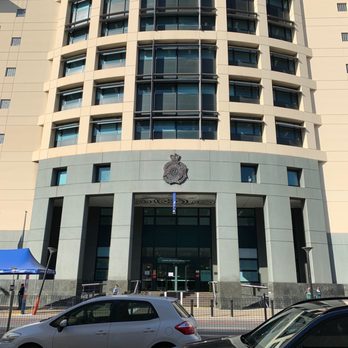
According to a report by Guardian Australia, the QPS confirmed the decision on Friday, framing it as part of a broader organizational reform. The service stated the changes stem from an 'evidence-based roadmap' designed to strengthen frontline policing and build a more responsive organization. A central argument from the 100-day review was that the 'perceived primacy' of family violence was consuming a disproportionate amount of police resources and workload. The QPS further asserted that process improvements implemented since the damning 2022 inquiry into cultural issues within the force had 'addressed many of the issues that previously required centralised oversight,' thereby justifying the decentralization of DFV expertise.
Frontline Worker Concerns and Sector Backlash
The announcement has been met with alarm from domestic violence support services. Frontline workers who spoke to Guardian Australia described the specialist unit as an 'invaluable' and 'important resource' critical for ensuring safe and timely responses to DFV incidents. A primary concern is the loss of a centralized hub for information sharing between police and external support agencies, a function vital for cohesive case management and risk assessment. Workers fear this dismantling will have a disproportionate impact on women in regional and remote Queensland, where access to specialized support is already limited. One worker pointedly asked, 'Why would QPS reduce such an important DFV resource, in the current climate of community anger at escalating rates of DFV and resulting community harm?'
Context of Systemic Scrutiny and Past Failures
This decision occurs against a backdrop of intense scrutiny over Queensland police's handling of domestic violence. The move appears to contradict the spirit of recommendations from the 2022 inquiry, which found attitudes of misogyny, sexism, and racism within the QPS were 'largely unchecked' and reflected in officers' responses to victim-survivors. Furthermore, Guardian Australia's 'Broken Trust' investigation last year highlighted profound policing failures in domestic violence cases, raising questions about whether the cultural reforms cited by the QPS have been fully realized. Critics argue that decentralizing expertise risks diluting the specialized knowledge required to effectively and sensitively handle the complex dynamics of domestic violence, potentially reverting to inconsistent and potentially harmful responses across different districts.
Conclusion and Implications
The Queensland Police Service's plan to disband its domestic violence support unit represents a significant pivot in policing strategy, prioritizing a decentralized, generalist frontline model over centralized specialization. While framed as an efficiency-driven reform, the decision has sparked legitimate fears among experts that it will erode systemic safeguards for some of the community's most vulnerable members. The coming months will be critical in observing whether the redistribution of resources to local commands enhances operational response as intended, or whether it leads to a fragmentation of expertise and a step backward in the coordinated fight against domestic and family violence. The community and support sector will be watching closely to ensure victim safety does not become collateral damage in this organizational restructure.