Read on bbc.com
Japan's Prime Minister Sanae Takaichi Secures Landslide Victory in Snap Election
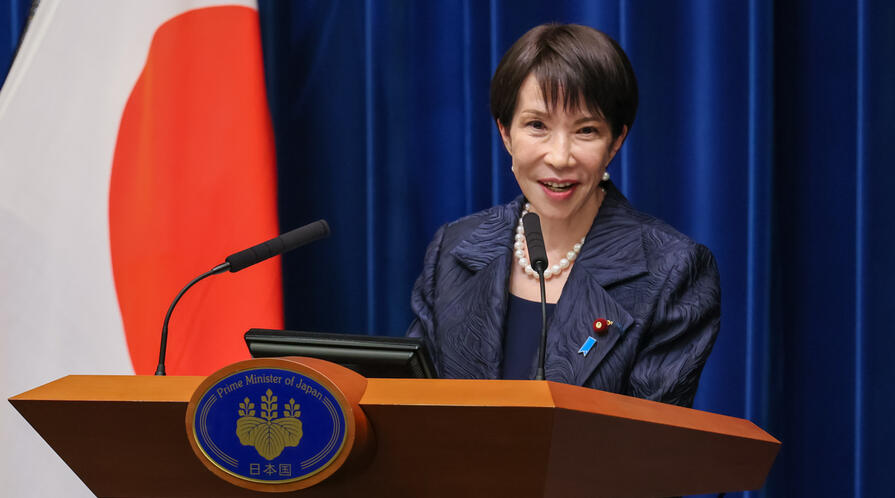
Prime Minister Sanae Takaichi's ruling coalition is projected to win a decisive two-thirds majority in Japan's House of Representatives, according to NHK figures. This landslide victory in a rare mid-winter snap election grants Takaichi's Liberal Democrat Party a strong mandate to pursue her conservative agenda, including potential constitutional revision and increased defense spending. The win marks a significant political recovery for the LDP and solidifies the position of Japan's first female premier.
In a decisive political victory, Japan's Prime Minister Sanae Takaichi and her ruling Liberal Democrat Party (LDP) coalition are projected to secure a commanding two-thirds majority in the House of Representatives. According to figures collated by public broadcaster NHK, the coalition has won 352 of the 465 seats, with the LDP alone securing a majority of 316 seats. This landslide result from Sunday's snap election grants Prime Minister Takaichi a powerful mandate to advance her conservative policy agenda and marks a dramatic reversal of fortune for a party that had recently lost its parliamentary majority.
A Strategic Gamble That Paid Off
Prime Minister Takaichi's decision to call a snap election just four months after becoming party leader was widely viewed as a significant political gamble. Her two immediate predecessors had overseen the loss of the LDP's parliamentary majority amid corruption scandals and public dissatisfaction with rising living costs. Takaichi had previously pledged to step down if her party failed to secure a majority, making this election a high-stakes test of her leadership. The apparent success stands in marked contrast to recent LDP fortunes and demonstrates her ability to connect with voters.
Factors Behind the Landslide Victory
Several key factors contributed to Takaichi's electoral success. Her personal popularity has remained consistently high, with approval ratings for her government mostly hovering above 70%. This personal appeal appears to have energized the party's base and attracted new supporters. Additionally, her populist spending promises and nationalist rhetoric resonated with voters concerned about economic stability and national identity. As voter Ritsuko Ninomiya told the BBC, "People want their lives to be better and more comfortable because we are so accustomed to not having inflation... so people are very worried. I think we need a long-term solution rather than short-term fixes."

Policy Implications and Constitutional Questions
With a two-thirds majority in the lower house, Prime Minister Takaichi now has wide scope to push through her conservative agenda. One of her long-held aims has been to change Japan's pacifist constitution, a move that would require such a supermajority. She has also advocated for increased defense spending, a position that aligns with her relationship with former US President Donald Trump, who has publicly endorsed her. However, as voter Yuko Sakai expressed, "I am concerned with what President Trump is doing as well as the national defence issues. I am not sure where the money is coming from to cover that. So balancing budget spending between defence and people's life is a major concern for me."
International Reactions and Relationships
The election result has drawn significant international attention. US Treasury Secretary Scott Bessent hailed a "big victory" for Takaichi, stating that "when Japan is strong, the US is strong in Asia." Indian Prime Minister Narendra Modi congratulated Takaichi for the "landmark" result, expressing confidence that India and Japan's friendship could be taken to "greater heights." However, relations with China—Japan's largest trading partner—remain strained after Takaichi suggested last November that Japan could intervene militarily if China invaded Taiwan.
Conclusion: A New Political Era for Japan
Prime Minister Sanae Takaichi's landslide victory represents a significant political realignment in Japan. Her ability to secure a two-thirds majority for her coalition grants her substantial political capital to pursue an ambitious conservative agenda. The election also solidifies her position as Japan's first female prime minister and demonstrates her skill in navigating complex political challenges. As she moves forward with her policy priorities—from constitutional revision to economic revitalization—the international community will be watching closely to see how this new political mandate shapes Japan's future direction both domestically and on the global stage.