Read on PBS News
Texas Special Election to Narrow GOP House Majority
A special runoff election in Texas' 18th Congressional District is set to temporarily reduce the Republican majority in the U.S. House of Representatives. With only Democratic candidates on the ballot, the winner will briefly fill the seat left vacant by the late Congressman Sylvester Turner. This article examines the electoral dynamics, the candidates, and the broader implications for the balance of power in Congress, while also covering a concurrent state Senate race in the Fort Worth area.
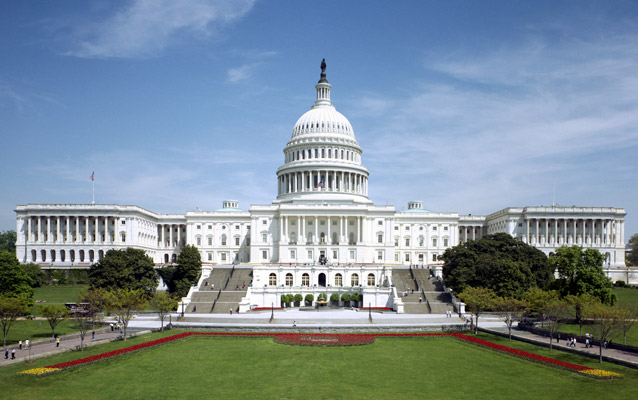
This Saturday, voters in Houston's 18th Congressional District will participate in a special runoff election with significant national implications. The outcome is guaranteed to temporarily reduce the already slim Republican majority in the U.S. House of Representatives, as only Democratic candidates are on the ballot. This election fills the seat left vacant by the passing of Democratic Congressman Sylvester Turner in March 2025 and represents a critical, albeit brief, shift in the congressional power balance.
The 18th Congressional District Runoff
The special election was triggered following the death of Congressman Sylvester Turner just two months into his term. A crowded field of 16 candidates competed in a November 4 special election, but no candidate secured the majority required to win outright, forcing the current runoff. The top two finishers, Democrats Christian Menefee and Amanda Edwards, will face off to determine who completes the remainder of Turner's term.
The Candidates and Their Support
Christian Menefee, who edged out Amanda Edwards 29% to 26% in the initial November vote, has received the endorsement of former U.S. Representative Erica Lee Carter. Edwards, meanwhile, has been endorsed by State Representative Jolanda Jones, who finished third in the initial election. Campaign finance reports as of January 11 show Menefee with a slight financial edge, having spent approximately $1.8 million compared to Edwards' $1.5 million.

Implications for the U.S. House
The most immediate consequence of this election is the certain reduction of the Republican House majority. With only Democrats competing, the party will gain one seat, bringing them closer to the GOP. However, this shift is temporary. The winner will serve only a short period, as Texas will use new, more Republican-favorable district lines for the November midterm elections. The current 18th District, a Democratic stronghold where both Turner and Vice President Kamala Harris won with about 69% of the vote, will be divided among nearly half a dozen new districts.
Concurrent State Senate Election
Nearly 300 miles away, voters in Tarrant County's State Senate District 9 will also participate in a special runoff election. This race fills the seat vacated by Republican Kelly Hancock. Democrat Taylor Rehmet, who led the November special election with about 48% of the vote, faces Republican Leigh Wambsganss. The winner will complete Hancock's term, although the Texas Senate is not scheduled to meet again until 2027.
Election Logistics and Vote Counting
Polls close at 7 p.m. CST (8 p.m. EST). In the November special election, about 20% of registered voters participated, with slightly more than half voting early or by absentee ballot. A unique challenge for this runoff involves vote counting in Harris County. Due to inclement weather that extended early voting, a significant portion of early votes will be treated as provisional ballots and will not be tabulated until February 6, a week after election day. This delay means a complete, official result may not be available immediately.
Conclusion
The Texas special runoff elections represent a momentary political recalibration. The 18th Congressional District race will assuredly send a Democrat to Washington, narrowing the GOP's House majority and highlighting the district's Democratic leanings before its impending dissolution under new maps. The concurrent state Senate race will also influence the local political landscape in Tarrant County. While the national impact of the congressional race is temporary, it underscores the ongoing battle for control of the House and sets the stage for the redistricting battles to come in the November midterms.