Head Teeth Discovery in Spotted Ratfish Rewrites Vertebrate Dental Evolution
Scientists have made a groundbreaking discovery that challenges fundamental assumptions about vertebrate evolution. Research on the spotted ratfish reveals true teeth growing on the fish's head structure called a tenaculum, used by males during mating. Genetic evidence confirms these head teeth share identical origins with oral teeth, overturning the long-standing belief that teeth only evolve in jaws. This finding from University of Washington researchers reshapes our understanding of dental development across vertebrate species and opens new questions about evolutionary biology.
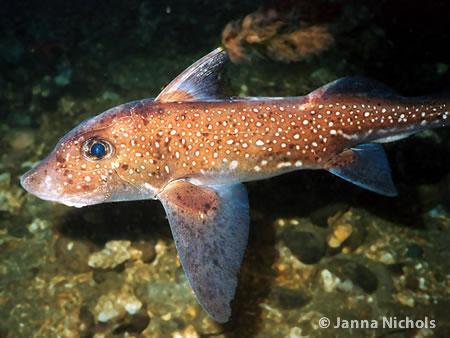
In a discovery that challenges fundamental assumptions about vertebrate biology, scientists have identified true teeth growing on the head of the spotted ratfish, a distant relative of sharks. This finding overturns the long-standing belief that teeth exclusively evolve within jaws, reshaping our understanding of dental evolution across vertebrate species.
The Tenaculum: A Toothed Head Structure
The toothed structure, called a tenaculum, grows between the eyes of adult male spotted ratfish and serves a crucial reproductive function. When raised, this cartilage-based appendage becomes a hooked, barbed organ covered in teeth that males use to grip females by the pectoral fin during mating. According to researchers from the University of Washington, this "insane, absolutely spectacular feature flips the long-standing assumption in evolutionary biology that teeth are strictly oral structures."
Genetic Evidence and Developmental Origins
The research, published in Proceedings of the National Academy of Sciences, reveals that these head teeth share the same genetic origins as oral teeth. Scientists identified a dental lamina—the tissue band responsible for tooth formation—in the tenaculum, marking the first documented instance of this crucial structure appearing outside the jaw. Tissue analysis showed that genes associated with teeth across vertebrates were expressed in the tenaculum, providing compelling evidence that these are genuine teeth rather than modified scales.
Evolutionary Implications
This discovery has significant implications for understanding vertebrate evolution. Spotted ratfish belong to a group of cartilaginous fish called chimaeras, which diverged from sharks millions of years ago. The presence of teeth on the tenaculum suggests that tooth-forming cells migrated from the oral region to the head during evolution. Fossil evidence also shows teeth on the tenaculum of related species, indicating this is not an isolated phenomenon but rather a developmental relic with evolutionary significance.
Research Methodology and Findings
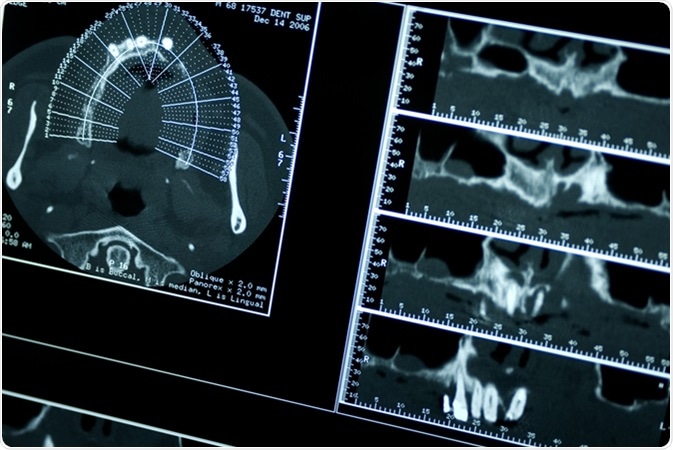
Researchers analyzed hundreds of fish using micro-CT scans and tissue samples to document tenaculum development. They discovered that both male and female ratfish begin making a tenaculum early in development, but only in males does it fully mineralize and sprout teeth. The modern adult male spotted ratfish can grow seven or eight rows of hooked teeth on its tenaculum, which are more flexible than typical oral teeth, allowing the fish to maintain grip while swimming during mating.

Broader Scientific Impact
This discovery prompts researchers to reconsider how widespread such features might be across vertebrate species. As noted in the study, "If these strange chimaeras are sticking teeth on the front of their head, it makes you think about the dynamism of tooth development more generally." The finding suggests that scientists may discover more examples of teeth developing outside traditional oral locations as research continues, potentially revealing new aspects of evolutionary biology and developmental genetics.
The discovery of head teeth in spotted ratfish represents a paradigm shift in evolutionary biology, demonstrating that dental development is more versatile and widespread than previously understood. This research opens new avenues for investigating tooth evolution and challenges scientists to look beyond conventional assumptions about vertebrate anatomy and development.