Read on the Guardian
Pentagon Withholds Full Video of Controversial Caribbean Strike Amid War Crime Allegations
The Pentagon has refused to release the full video of a September airstrike in the Caribbean that killed two individuals clinging to boat wreckage, a decision announced by Defense Secretary Pete Hegseth. This strike is the most contentious action in the Trump administration's campaign against Venezuela, which includes seizing vessels and threatening military action. Legal experts have raised serious concerns that the attack, which targeted survivors of an initial strike, may constitute a war crime, prompting calls from Democratic lawmakers for full transparency.
The Trump administration's escalating military campaign against Venezuela has reached a critical juncture with the Pentagon's refusal to release a full video of a deadly September airstrike. Defense Secretary Pete Hegseth's announcement that the footage will remain classified has ignited a fierce debate over transparency, legality, and the rules of engagement in the Caribbean. This decision comes as legal experts scrutinize the attack, which killed two individuals who were survivors of an initial strike, for potential war crimes.

The controversy centers on an attack that occurred on September 2nd, where US forces targeted a vessel allegedly involved in narcotics trafficking. According to reports, the individuals killed were not on the original vessel but were instead clinging to its burning wreckage following an initial air strike. This sequence of events has drawn intense criticism from Democratic lawmakers and independent legal analysts, who argue that targeting combatants who are hors de combat—out of action due to injury or surrender—violates international law.
The Pentagon's Justification for Secrecy
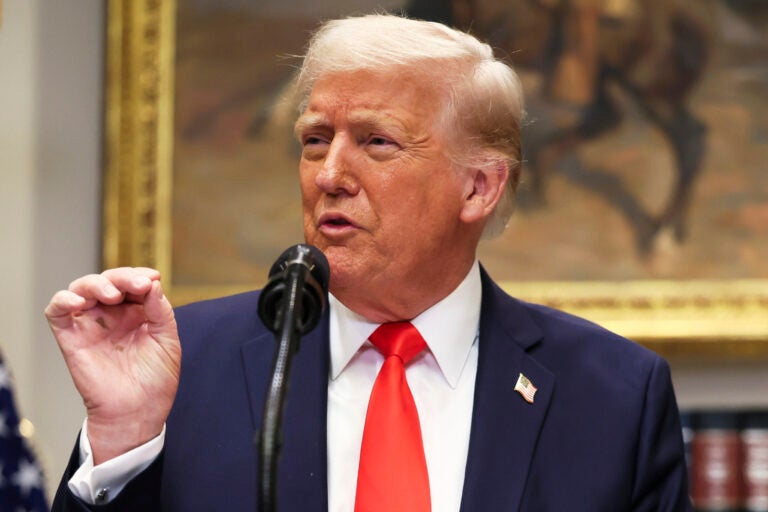
In defending the decision to withhold the video, Secretary Hegseth cited longstanding Department of Defense policy regarding the classification of operational footage. "In keeping with longstanding department of war policy, Department of Defense policy, of course, we're not going to release a top-secret, full, unedited video of that to the general public," Hegseth told reporters after a classified briefing on Capitol Hill. This position maintains that revealing tactical details could compromise future operations and intelligence sources.
However, this justification has been met with skepticism, particularly given the administration's previous transparency regarding other military actions. Democratic Senator Chris Coons of Delaware noted the inconsistency, stating, "It is hard to square the widespread routine prompt posting of detailed videos of every stripe with a concern that posting a portion of the video of the first strike would violate a variety of classification concerns." This point underscores a perceived double standard in the administration's disclosure practices.
Congressional Response and Demands for Transparency
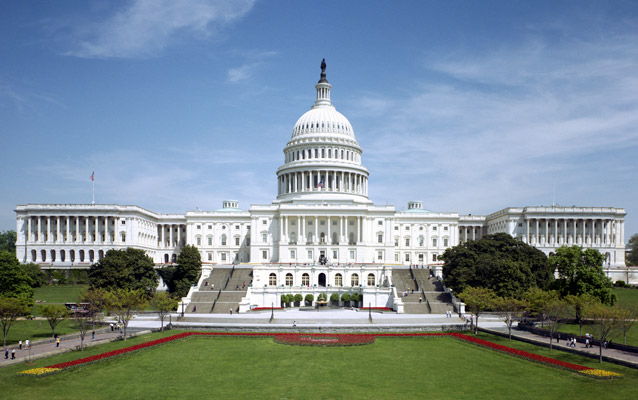
The decision has sparked significant backlash within Congress, particularly among Democratic lawmakers who argue that oversight is being obstructed. Senate Majority Leader Chuck Schumer expressed frustration after the classified briefing, stating, "The administration came to this briefing empty-handed... That's the major question that we face, and if they can't be transparent on this, how can you trust their transparency on all the other issues swirling about in the Caribbean?"
Several key committee members have been particularly vocal. Congressman Gregory Meeks, the ranking member on the House Foreign Affairs Committee, told reporters, "I have asked, and will continue to ask, to see that – why, as a member of Congress and the ranking member in the foreign affairs committee, I'm not allowed to see it." This sentiment reflects broader concerns about executive overreach and the erosion of congressional war powers.
Legal and Ethical Implications of the Strike
At the heart of the controversy are serious legal questions about the nature of the attack. Legal experts have raised alarms that targeting individuals who were already survivors of a previous strike may constitute a war crime under international humanitarian law. The principle of distinction and the prohibition against attacking those who are hors de combat are cornerstone elements of the Geneva Conventions.
Republican Senator Rand Paul of Kentucky, though often aligned with the administration on other matters, has been critical on this issue. Following the briefing, Paul stated, "One of my criticisms has been that there really isn't a legal or a moral justification for killing unarmed people, and I've heard nothing to contradict my previous assertion that these people were unarmed." This cross-aisle concern highlights the operation's contentious ethical dimensions.
The Broader Campaign Against Venezuela
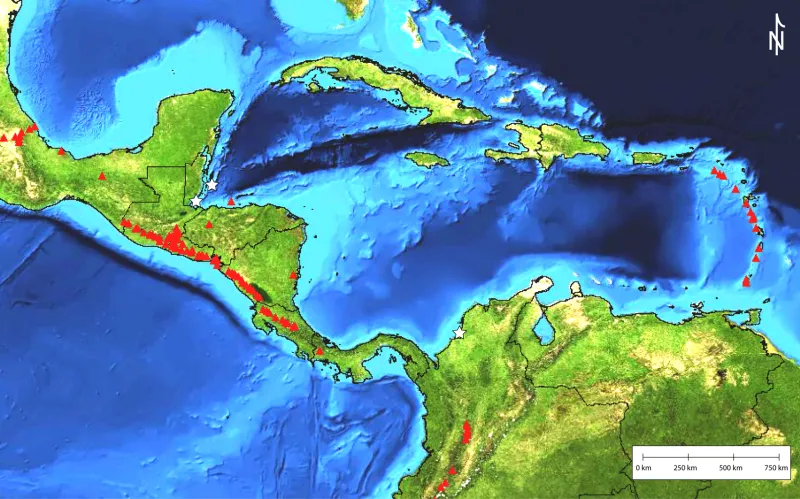
This incident represents the most controversial moment in a broader US campaign against the government of Nicolás Maduro in Venezuela. Since early September, US forces have attacked more than 20 vessels in the Caribbean and eastern Pacific Ocean, resulting in at least 90 fatalities according to Washington's accounts. The administration alleges these vessels were involved in narcotics trafficking, though evidence has not been publicly substantiated.
The campaign has included not only airstrikes but also the seizure of an oil tanker and explicit threats of further military action. This aggressive posture has prompted legislative pushback, with lawmakers in both chambers introducing war powers resolutions aimed at curtailing the president's authority to engage in hostilities against Venezuela without congressional approval. The fate of these measures remains uncertain, as they would require significant Republican support to pass.
Administration Defense and Political Support
Despite the controversy, the administration maintains strong support from key Republican allies who defend the legality and necessity of the operations. Senator Tim Sheehy of Montana, a former Navy SEAL, emerged from the briefing asserting, "The process we have is legally sound. It's been supported by legal opinions for a quarter century now of how we find these people, we fix them, and we finish them." Sheehy further argued that alternative approaches, such as vessel interdiction, would pose greater risks to US personnel.
Perhaps the most hawkish support comes from Senator Lindsey Graham of South Carolina, who stated that President Trump should not cease operations until Maduro is removed from power. "If he's still standing when this is over, this is a fatal, major mistake to our standing in the world. If, after all this, Maduro is still in power, that's the worst possible signal you can send to Russia, China, Iran," Graham argued, framing the campaign in broader geopolitical terms.
Conclusion: A Test of Accountability and International Norms
The Pentagon's refusal to release the full video of the September Caribbean strike represents more than a simple classification decision; it is a test of governmental accountability and adherence to international legal standards during an opaque military campaign. As reported by The Guardian, the ongoing controversy highlights the tension between executive authority and congressional oversight, between operational secrecy and public transparency, and between military necessity and humanitarian law.
The coming weeks will be crucial as Congress considers war powers resolutions and potentially demands greater access to information. The administration's handling of this incident will likely influence both domestic political dynamics and international perceptions of US commitment to the rules-based order it has long championed. Without greater transparency, the fundamental questions about the strike's legality—and by extension, the broader campaign's legitimacy—will remain unanswered, eroding public trust and potentially setting dangerous precedents for future conflicts.