Read on the Guardian
Venezuela's New Oil Law: A Calculated Opening Under US Pressure
Venezuela's acting president has enacted a landmark hydrocarbons law, significantly reforming the nation's oil sector in response to US pressure. The legislation grants private companies greater control over production and sales, eases tax burdens, and introduces independent arbitration. While representing a strategic shift aimed at attracting foreign capital, particularly from US oil giants, experts express skepticism about whether the changes are sufficient to revive the country's crippled industry or provide the legal certainty international investors require. This analysis explores the law's provisions, the geopolitical context of US-Venezuela relations under the Trump administration, and the persistent challenges facing meaningful investment.
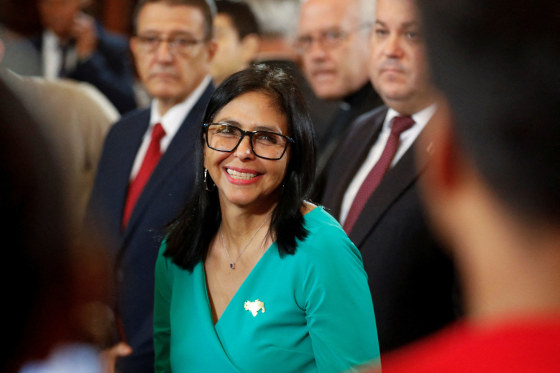
In a pivotal move shaped by intense geopolitical pressure, Venezuela has enacted sweeping reforms to its oil sector. The new hydrocarbons law, signed by Acting President Delcy Rodríguez, marks a strategic concession to US demands for greater market access, aiming to lure back the foreign investment crucial for reviving the nation's battered petroleum industry. While the legislation promises private companies unprecedented operational control and financial incentives, a cloud of skepticism hangs over its implementation and ultimate effectiveness. This article examines the key provisions of the law, the driving force of US policy, and the significant hurdles that remain for Venezuela's oil-dependent economy.
Key Provisions of the New Hydrocarbons Law
The legislation introduces several critical changes designed to make Venezuela's oil sector more attractive to international players. A fundamental shift allows private companies, even when they are minority partners in joint ventures with the state-owned Petróleos de Venezuela (PDVSA), to exercise direct "technical and operational management." This breaks from the previous model that mandated state control over all operational decisions, a major point of contention for foreign firms. Furthermore, the law provides for a potential reduction in royalty payments to the government, which could drop from the standard 30% to as low as zero in certain cases, easing the fiscal burden on new projects. It also establishes a framework for independent arbitration of disputes, addressing a long-standing concern about the lack of a neutral legal recourse in the country.
The Geopolitical Context: US Pressure and Strategy
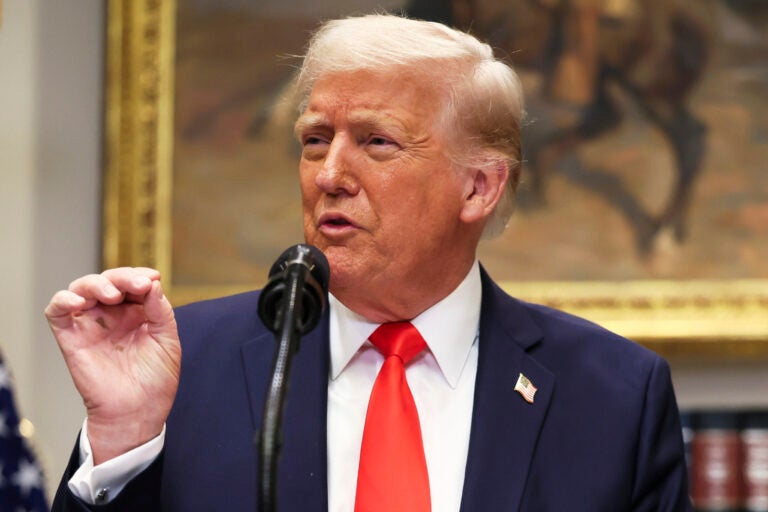
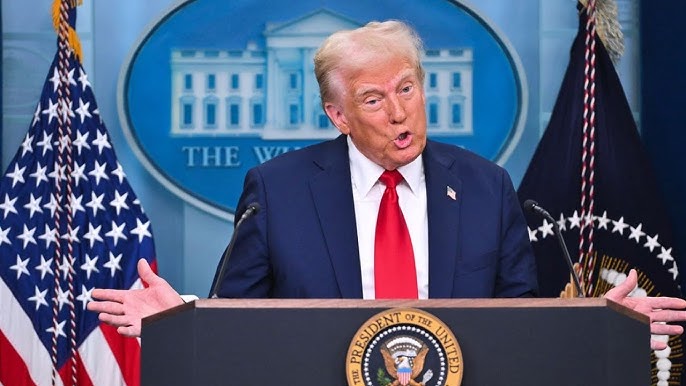
The law's passage is inextricably linked to the aggressive policy stance of the United States under the Trump administration. As reported by The Guardian, President Donald Trump has actively pressured Venezuela, easing some sanctions on its oil industry while asserting control over its oil exports and revenues. Following a military operation that captured former leader Nicolás Maduro, the US stated its intention to retain control of these assets indefinitely to ensure Venezuelan compliance with its foreign policy objectives. Trump has publicly stated that major US oil companies are already "on the ground in Venezuela carrying out site assessments for potential operations," framing the engagement as a source of "tremendous wealth" for both nations. This law is Venezuela's legislative response to these overtures and pressures.
Expert Skepticism and Remaining Challenges
Despite the fanfare, analysts and industry experts caution that the reforms may be insufficient. David Vera, an associate dean in the Craig School of Business, noted that while the law is "a positive step," it "still falls short of what US oil companies need to commit capital at scale." He cited lingering "executive discretion and legal uncertainty" as major barriers. Legal scholar José Ignacio Hernández echoed this, stating the law "fails to address all the causes that led to the collapse of the oil sector." A critical concern is the lack of democratic legitimacy and meaningful public consultation; the bill was fast-tracked through a regime-loyal National Assembly with a perfunctory public review process. Gonzalo Escribano of the Elcano Royal Institute in Spain argues that only a legitimate democratic transition can provide the stability needed for long-term investment, a condition the US has not yet enforced with a clear timetable.
Venezuela's Oil Industry: From Prosperity to Collapse
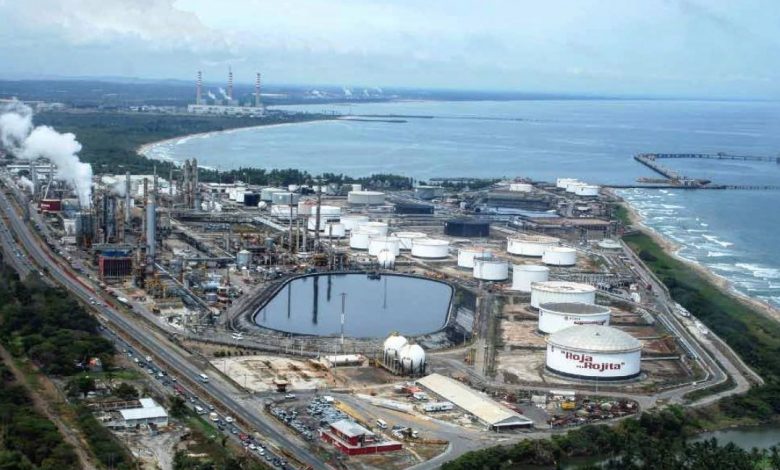
To understand the stakes, one must consider Venezuela's dramatic fall in the oil world. The country sits on the world's largest proved oil reserves but currently accounts for less than 1% of global production. Its industry was nationalized in the 1970s with the creation of PDVSA. Under Hugo Chávez and later Nicolás Maduro, the company was politicized, with experienced technical staff dismissed. Production, which once peaked at 3.4 million barrels per day, has collapsed to around 1 million due to chronic mismanagement, corruption, and US sanctions. The new law is an attempt to reverse this catastrophic decline by leveraging foreign capital and expertise.
Conclusion: A Tentative Step on an Uncertain Path
Venezuela's new hydrocarbons law represents a significant, if reluctant, pivot toward economic liberalization driven by external pressure. It offers tangible concessions on control, royalties, and arbitration that address key investor complaints. However, the shadow of political instability, legal ambiguity, and the absence of a legitimate democratic framework looms large. As Hernández pessimistically predicts, it may prove to be "a short-lived law." For international oil companies, the promise of accessing vast reserves is now tempered by a reformed but still risky legal landscape. The success of this opening will depend not just on the text of the law, but on Venezuela's ability to establish credible, stable governance—a challenge that remains unmet.