Trump Claims Diplomatic Engagement with Iran Amid Military Buildup in Middle East
In a significant development amid escalating regional tensions, former President Donald Trump has stated he is in communication with Iran's leadership. This claim comes concurrently with reports of a substantial US military build-up in the Middle East. Regional leaders are reportedly advocating for diplomatic channels to prevent the outbreak of a new conflict. The situation highlights the fragile geopolitical balance in the region and raises questions about the nature of back-channel communications and their potential impact on de-escalation efforts.
Amid a backdrop of heightened military presence and regional anxiety, former President Donald Trump has announced he is engaging in dialogue with Iran's leadership. This development, reported in early 2026, occurs as the United States significantly reinforces its military footprint in the Middle East, sparking fears of a potential new conflict. The juxtaposition of claimed diplomacy and visible military posturing creates a complex and volatile situation, with regional actors urgently calling for peaceful resolution.
The Claim of Diplomatic Communication
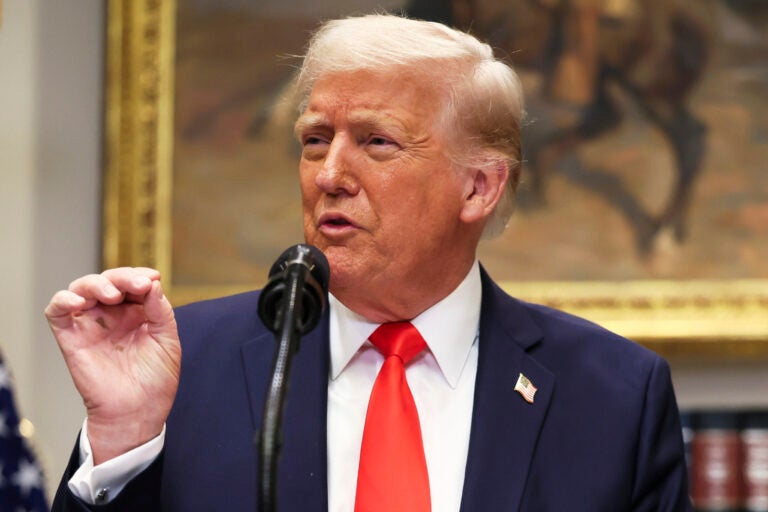
Donald Trump's assertion that he is "speaking to Iran's leadership" introduces a notable, if unconventional, diplomatic element into the current tensions. While the exact nature, level, and official status of these communications remain unclear, such claims suggest the existence of back-channel efforts. These reported discussions are positioned against a landscape where formal diplomatic relations between the US and Iran have been historically strained. The involvement of a former president in such dialogues is unusual and underscores the perceived gravity of the situation, as noted in coverage from Al Jazeera.
Concurrent US Military Buildup
Simultaneously, reports confirm a "significant US military build-up" across the Middle East. This mobilization typically involves the deployment of additional naval assets, such as aircraft carrier strike groups to key waterways, reinforcement of airbases with advanced fighter jets and bombers, and the prepositioning of troops and equipment. Such moves are often interpreted as shows of force designed to deter adversarial actions or to prepare contingency options. The visible escalation of military capabilities inherently increases the risk of miscalculation or accidental clashes, thereby raising regional war fears substantially.

Regional Calls for Diplomacy and De-escalation
In response to these developments, leaders across the Middle East are actively "push[ing] for diplomacy to avoid a new conflict." Nations in the region, many of which have suffered the consequences of prolonged instability, have a vested interest in preventing another large-scale war. Diplomatic pushes likely involve regional organizations, such as the Gulf Cooperation Council (GCC), and key intermediary states attempting to facilitate dialogue and reduce inflammatory rhetoric. The collective regional anxiety underscores a preference for political solutions over military confrontation, recognizing the devastating human and economic costs of further conflict.
Geopolitical Implications and Analysis
The situation presents a classic security dilemma, where actions taken by one side for perceived defensive reasons are viewed as offensive threats by the other, potentially triggering an escalatory spiral. Trump's claimed communications could be seen as an attempt to open an off-ramp from this cycle. However, the effectiveness of such informal channels is contingent on clarity of intent and the authority of the participants. The dual-track approach of military pressure and alleged diplomacy creates an ambiguous strategic environment. The ultimate goal appears to be compelling a change in behavior or policy from Iran while attempting to manage the risks of a direct military clash.
In conclusion, the claim of dialogue by former President Trump amidst a substantial US military buildup highlights the precarious state of Middle Eastern geopolitics. While the region's leaders advocate for diplomatic solutions, the tangible increase in military assets keeps the threat of conflict palpably high. The coming period will be critical in determining whether back-channel discussions can translate into tangible de-escalation or if the momentum of military posturing leads to a dangerous confrontation. The international community will be watching closely, hoping that diplomacy, in whatever form it takes, prevails.