UN Chief Warns of Eroding Cooperation, Takes Aim at Trump's 'Board of Peace'
In his annual priorities address for 2026, United Nations Secretary-General Antonio Guterres issued a stark warning about the erosion of international cooperation. He implicitly criticized unilateral actions, particularly targeting U.S. President Donald Trump's moves to distance the U.S. from the UN and his creation of a rival 'Board of Peace.' Guterres emphasized that global problems like climate change and conflict cannot be solved by 'one power calling the shots' and defended the UN's role as the cornerstone of a rules-based international order, even as its institutions face assault.
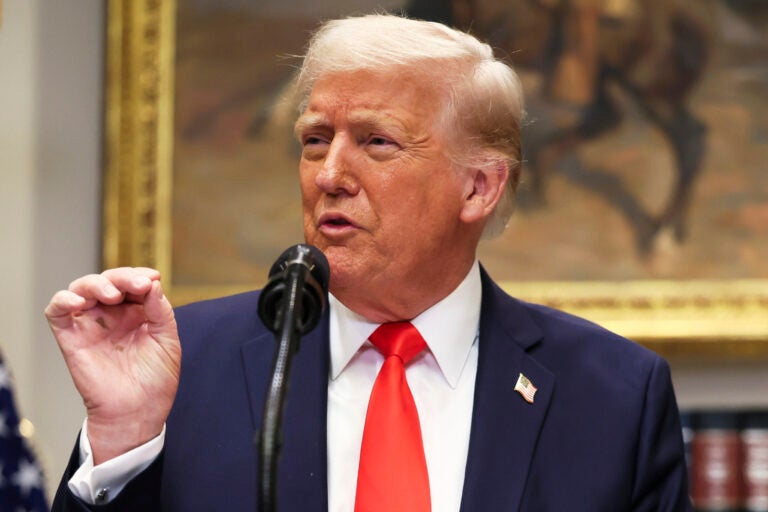
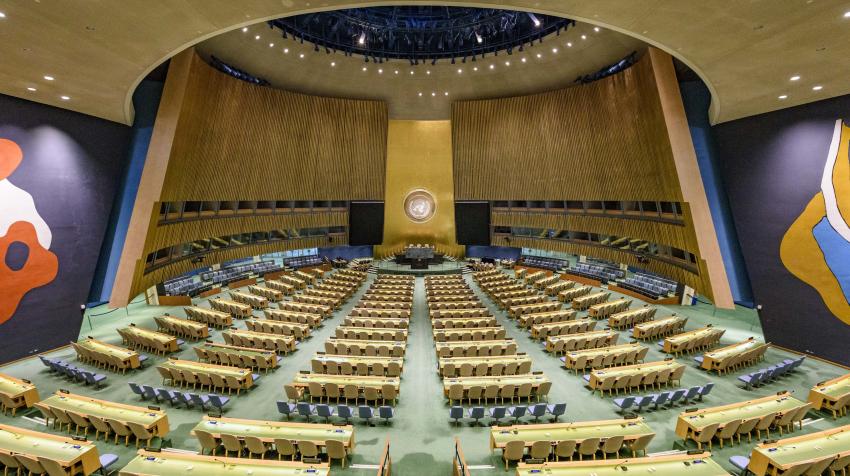
In a pointed annual address outlining his priorities for 2026, United Nations Secretary-General Antonio Guterres delivered a sobering assessment of the state of global governance. Speaking at UN headquarters in New York, Guterres warned that international "cooperation is eroding" and took clear aim at powerful nations undermining collective efforts. His comments, which did not name specific countries, were widely interpreted as a critique of U.S. President Donald Trump's administration and its promotion of a new "Board of Peace" initiative seen by critics as a potential rival to the UN system.

The Core Warning: No Single Power Can Solve Global Crises
Guterres framed his address around pressing global issues, including the climate catastrophe, inequality, persistent conflicts, and the growing influence of major technology companies. He asserted that the UN stands ready to assist member states in tackling these challenges. However, he issued a fundamental warning: "global problems will not be solved by one power calling the shots." This statement was a direct, albeit unnamed, rebuke of the unilateral tendencies exhibited by the Trump administration, which has sought to end U.S. participation in key aspects of the UN system while aggressively wielding its veto power in the Security Council.
Trump's 'Board of Peace' and the Challenge to Multilateralism
The centerpiece of the current tension is President Trump's "Board of Peace," launched at the World Economic Forum in Davos. While over two dozen countries from various regions have joined as founding members, the initiative has been met with skepticism and rejection by several major powers. France explicitly stated that the board "raises serious questions, in particular with respect to the principles and structure of the United Nations, which cannot be called into question." Brazilian President Luiz Inacio "Lula" da Silva went further, accusing Trump of wanting to create "a new UN." Guterres's speech served as a robust defense of the existing multilateral framework against what many perceive as a parallel structure that could dilute global coordination.
A Defense of International Law Under Assault
Beyond the structural challenge, Guterres underscored the UN's commitment to international law at a time when he believes it is being "trampled." He pointed to ongoing crises, such as the war in Gaza, as examples of this erosion. The Secretary-General, who is set to step down at the end of 2026, emphasized that the UN remains dedicated to pursuing "just and sustainable peace rooted in international law." This commitment comes amid specific actions by the Trump administration, such as imposing sanctions on UN Special Rapporteur for Palestine Francesca Albanese, which critics argue directly undermine the UN's independent mechanisms.
Conclusion: A Pivotal Moment for Global Governance
Antonio Guterres's 2026 priorities speech highlights a critical juncture for international cooperation. The emergence of initiatives like the U.S.-led "Board of Peace" represents a significant challenge to the primacy of the United Nations. Guterres's message was clear: sustainable solutions to transnational problems require inclusive, rules-based multilateralism, not unilateral dictates or rival spheres of influence. As geopolitical tensions rise and trust in international institutions wanes, the coming years will test whether the world can reaffirm its commitment to collective action or fracture into competing blocs.