Read on France 24
Thousands March Across US Cities in 'National Shutdown' Protest Against Immigration Crackdown
Thousands of protesters took to the streets of Minneapolis and other major US cities on January 30, 2026, in a coordinated day of action dubbed a "national shutdown." The widespread demonstrations were a direct response to the recent killings of Alex Pretti and Renée Good by federal immigration agents in Minneapolis, fueling public anger over the Trump administration's immigration enforcement policies. The protests, organized under the banner "ICE Out," saw significant turnout and solidarity actions, including business closures, highlighting growing national tension over immigration enforcement tactics.
On Friday, January 30, 2026, a wave of civil unrest swept across the United States as thousands of demonstrators participated in a coordinated "national shutdown" to protest the Trump administration's immigration crackdown. The day of action, which saw significant turnouts in cities from Minneapolis to Los Angeles and Austin, was galvanized by the recent fatal shootings of two Minneapolis residents, Alex Pretti and Renée Good, by federal immigration agents. This event marks a significant moment of public mobilization against Immigration and Customs Enforcement (ICE) policies and tactics.
The Catalyst: Fatal Encounters in Minneapolis
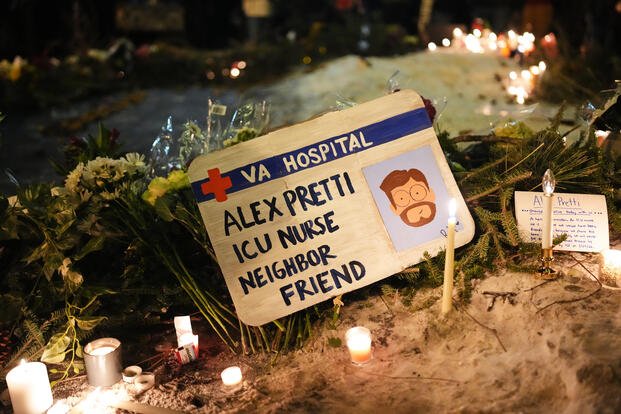
The immediate trigger for the nationwide protests was a pair of high-profile incidents in Minneapolis, Minnesota. According to reports, 37-year-old nurse Alex Pretti and Minneapolis resident Renée Good, also 37, were killed in separate encounters with federal immigration agents earlier in January 2026. The details surrounding their deaths, as reported by France 24, became a rallying cry for activists and community members who viewed the actions as emblematic of an overly aggressive enforcement approach.
Scope and Scale of the "National Shutdown"
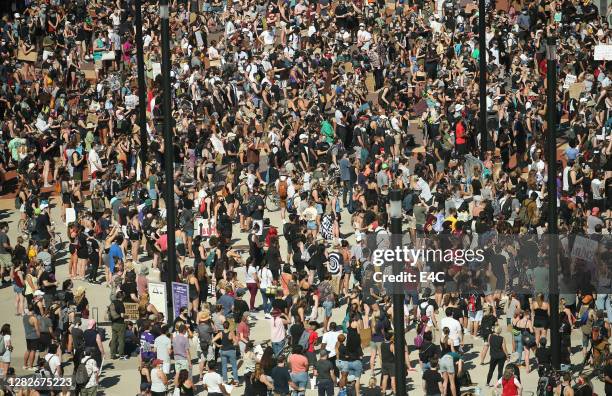
The call for a "national shutdown" aimed to create a visible economic and social disruption in solidarity with the victims and against ICE operations. Protests were not confined to Minneapolis. Images from the day show substantial demonstrations in Los Angeles, California, where protesters brandished anti-Trump signs, and in Austin, Texas, where students from Crockett High School joined the nationwide action. The protest in Minneapolis itself drew a huge crowd, documented by drone footage, with participants holding signs calling for justice and upside-down US flags—a traditional symbol of distress.
Public Sentiment and Symbolic Actions
The public response extended beyond street marches. In Portland, Maine, a local boutique displayed a sign indicating it was closed in solidarity with the anti-ICE protests, demonstrating how the "shutdown" call resonated with small businesses. This act of solidarity highlights the broader societal concern regarding immigration enforcement methods. The protests, organized under the "ICE Out" banner, explicitly called for the abolition or drastic reform of the federal agency, arguing that its current mandate leads to preventable tragedies and community fear.
Political Context and Administration Response
The protests occur within the contentious political landscape of the 2026 Trump administration. The administration's immigration policy has been a cornerstone of its agenda, characterized by increased enforcement, border security measures, and deportations. Critics argue that this approach has emboldened agencies like ICE and contributed to a climate where lethal force is used more readily during enforcement actions. The killings in Minneapolis have thus become a focal point for a larger national debate about the balance between law enforcement and civil liberties, and the humanitarian costs of specific immigration policies.

Conclusion: A Nation at a Crossroads
The "national shutdown" protests of January 2026 underscore a deep and growing fissure in American society regarding immigration policy. The deaths of Alex Pretti and Renée Good have transcended local tragedy, igniting a coordinated national response that questions the methods and morality of federal immigration enforcement. As demonstrations continue to spring up in cities across the country, the event signals sustained public pressure on the administration to reevaluate its tactics. The coming weeks will be critical in determining whether this public outcry leads to substantive policy review or further political polarization on this deeply divisive issue.