UN Chief Guterres Warns of Eroding Cooperation, Takes Aim at Trump's 'Board of Peace'
In his annual priorities address for 2026, United Nations Secretary-General Antonio Guterres issued a stark warning about the erosion of international cooperation. He implicitly criticized U.S. President Donald Trump's administration for undermining collective problem-solving and creating a rival 'Board of Peace' initiative. Guterres emphasized that global challenges like climate change and conflict cannot be solved by a single power, defending the UN's role as a cornerstone of international law and multilateralism amidst growing assaults on the established global order.
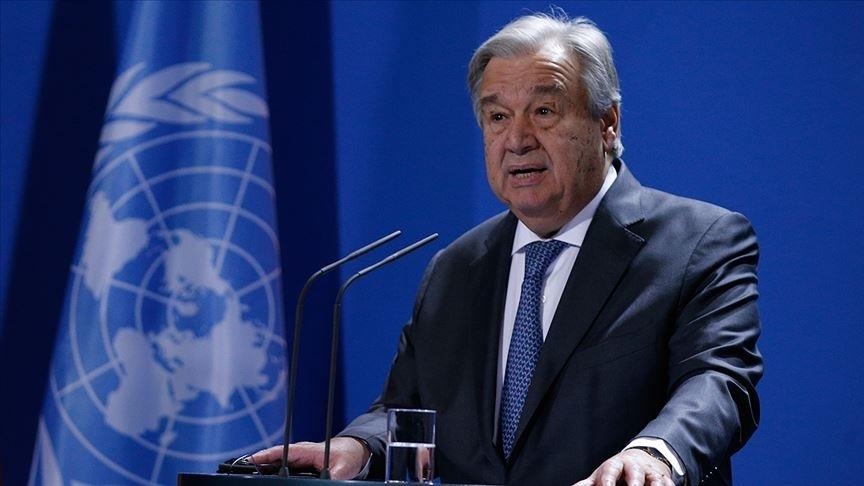
In a pointed annual address outlining his priorities for the United Nations in 2026, Secretary-General Antonio Guterres delivered a sobering assessment of the state of global cooperation. Speaking at UN headquarters in New York, Guterres warned that international collaboration is "eroding" and took clear aim at powerful nations he believes are undermining collective efforts to solve pressing global issues. His comments came amid growing concerns over U.S. President Donald Trump's moves to distance his country from the UN system while promoting a new, rival international body.
The Core Warning: No Single Power Can Solve Global Problems
Guterres's central message was a direct challenge to unilateral approaches to global governance. "Global problems will not be solved by one power calling the shots," he stated, in what observers interpreted as a clear reference to the Trump administration's foreign policy. This philosophy has manifested in Trump's creation of a "Board of Peace," launched at the World Economic Forum in Davos, which more than two dozen countries have joined as founding members. Guterres's warning extends beyond a single nation, however, as he also cautioned that "two powers" would not succeed by "carving the world into rival spheres of influence," a likely nod to China's expanding global role.
The 'Board of Peace' as a Challenge to the UN
The Trump administration's "Board of Peace" represents the most tangible challenge to the UN's primacy in international diplomacy. According to reports from Al Jazeera, the initiative has drawn sharp criticism from other world leaders. Brazilian President Luiz Inácio Lula da Silva accused Trump of wanting to create "a new UN," while France declined to join, stating the board "raises serious questions... with respect to the principles and structure of the United Nations, which cannot be called into question." This new body, excluding nations like Canada, signals a potential fragmentation of the international diplomatic architecture that has been centered on the UN since 1945.
Defending International Law and Multilateralism
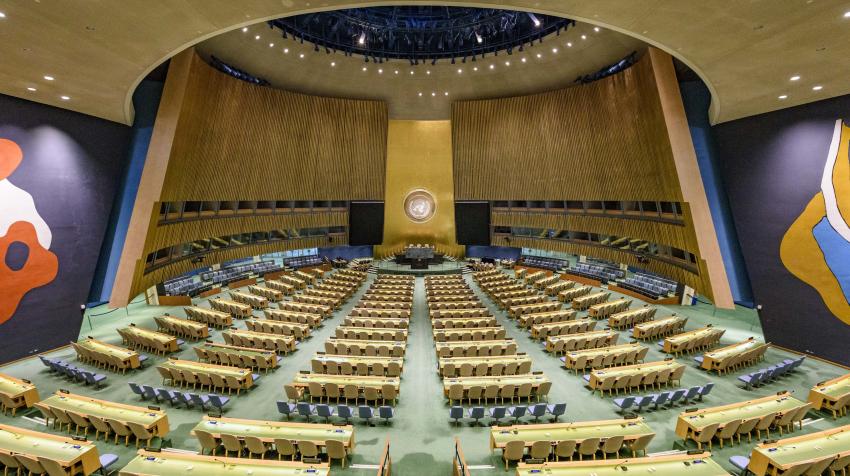
Amid these challenges, Guterres positioned the UN as the defender of a rules-based international order. He warned that international law is being "trampled" and "multilateral institutions are under assault on many fronts," citing contexts like the war in Gaza. His defense comes as the Trump administration has taken actions seen as hostile to UN mechanisms, including imposing sanctions on UN Special Rapporteur for Palestine Francesca Albanese and threatening sanctions on negotiators at the International Maritime Organization. Guterres, who will step down at the end of 2026, underscored the UN's ongoing commitment to pursuing "just and sustainable peace rooted in international law," framing the current moment as a critical test for the multilateral system.