Read on bbc.com
Don Lemon's Arrest and the Intersection of Journalism, Protest, and Legal Boundaries
Former CNN anchor Don Lemon's recent arrest following his coverage of anti-ICE protests at a Minnesota church has ignited a significant debate over First Amendment protections, journalistic practices, and legal accountability. This incident, stemming from a protest at the Cities Church in St. Paul, raises critical questions about where reporting ends and participation begins. The legal proceedings, including the Justice Department's initial charges and subsequent court decisions, highlight the complex interplay between free speech rights and laws protecting places of worship. This article examines the details of the case, the arguments from both Lemon's defense and federal authorities, and the broader implications for press freedom in the United States.
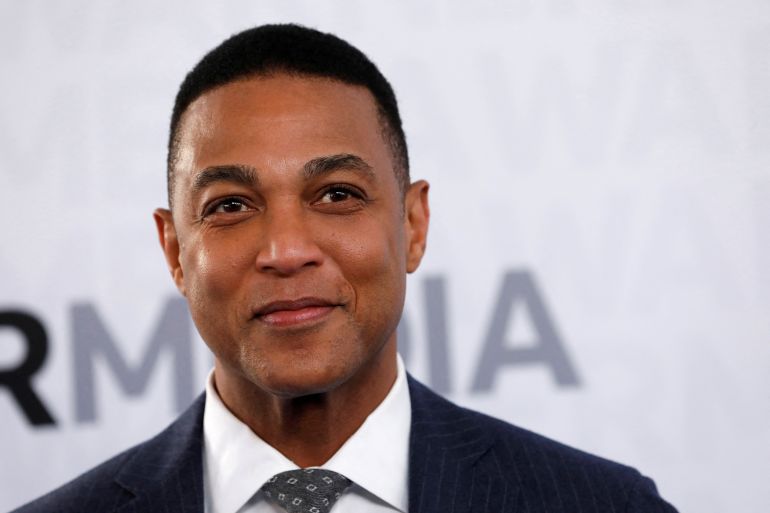
The arrest of veteran journalist Don Lemon has become a flashpoint in the ongoing national conversation about the limits of free speech, the role of the press, and the legal protections afforded to both. Lemon, a former CNN host with three decades of experience, was taken into custody by federal agents in Los Angeles while covering the Grammy Awards. The charges relate to his actions on January 19th, when he entered the Cities Church in St. Paul, Minnesota, with a group of protesters who disrupted a service, alleging one of the pastors was an official with U.S. Immigration and Customs Enforcement (ICE). Lemon contends he was merely performing his journalistic duty by documenting the event, a claim his legal team is vigorously defending as a constitutionally protected activity.
The Incident at Cities Church
The core of the legal dispute revolves around the events inside the Cities Church. According to reports, a group of protesters entered the church to voice opposition to ICE, specifically targeting a pastor they believed to be affiliated with the agency. Don Lemon was present with this group, filming the disruption as it unfolded. In a video statement, Lemon defended his actions, stating, "Once the protest started in the church, we did an act of journalism, which was report on it." This framing is central to his defense, positioning his presence as that of a neutral observer gathering news, not a participant in the demonstration itself.
Legal Proceedings and Judicial Scrutiny
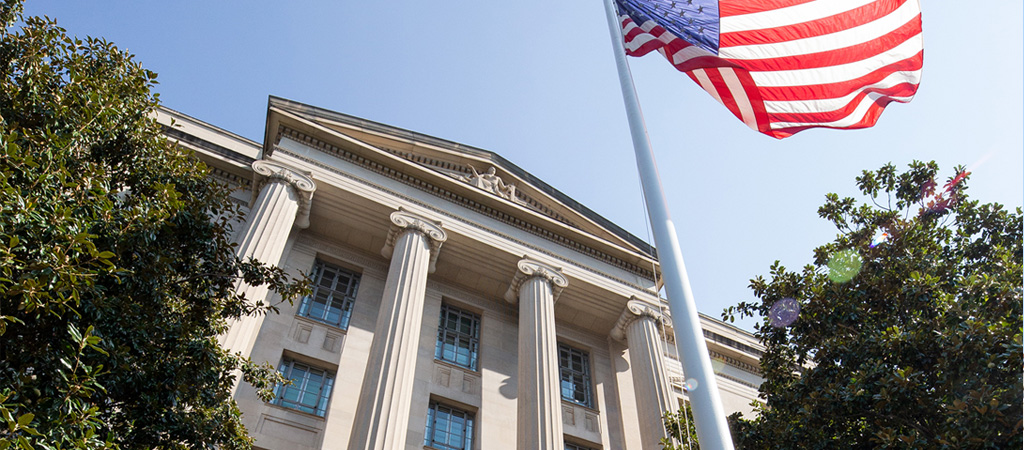
The legal path following the protest has been marked by contention. Initially, the Trump administration's Justice Department sought charges against eight individuals involved, invoking a federal law designed to protect people in places of worship from interference. However, a magistrate judge who reviewed the evidence approved charges for only three of the eight, explicitly excluding Don Lemon from the indictment. This initial judicial review suggested a distinction was made between active protesters and those documenting the event. The government attempted to challenge this decision, but an appeals court declined to overturn the magistrate's ruling, allowing the exclusion to stand.
Conflicting Perspectives and Broader Context
The case has drawn strong reactions from various figures. Lemon's lawyer, Abbe Lowell, issued a statement calling the arrest an "unprecedented attack on the First Amendment" and a transparent attempt to distract from other issues. Conversely, former U.S. Attorney General Pam Bondi criticized the church protests as "horrific" during a Fox News interview. The incident occurred against a backdrop of heightened tension in Minnesota related to federal immigration enforcement operations, which have reportedly led to fatal confrontations. This context adds layers of political and social significance to the legal questions at hand.
Implications for Journalism and the First Amendment
This case tests the boundaries of the First Amendment in the modern media landscape. It poses a fundamental question: At what point does a journalist's act of covering a protest become construed as participation in it? The outcome could set a precedent affecting how reporters operate in volatile or activist settings. Lemon's former CNN colleague, Jim Acosta, echoed concerns about press freedom, calling the arrest "outrageous" and declaring "The First Amendment is under attack in America!" The legal defense's strategy hinges on establishing that filming a news event is a protected journalistic function, separate from the act of protest.

Conclusion
The arrest of Don Lemon is more than a singular legal case; it is a litmus test for journalistic freedoms and the interpretation of laws protecting religious spaces. As the case moves forward, it will be closely watched by media organizations, legal scholars, and free speech advocates. The central conflict—between the right to report and the right to worship free from disruption—highlights the delicate balance the legal system must maintain. Lemon's promise to "fight these charges vigorously" ensures this debate will continue to unfold in the courtroom, with potentially significant ramifications for the future of journalism in protest environments.