Marco Rubio's Diplomatic Call with Iraqi PM Amid Regional Tensions and Government Transition
US Secretary of State Marco Rubio's recent call with Iraqi Prime Minister Mohammed Shia al-Sudani highlights critical diplomatic maneuvers as Iraq anticipates a new government. The conversation focused on the transfer of ISIL detainees from Syria to Iraq and Washington's urging for Baghdad to distance itself from Iran. This occurs against a backdrop of heightened US-Iran tensions, with the US deploying additional military assets to the Middle East and former Prime Minister Nouri al-Maliki poised for a potential return to power, reshaping regional dynamics.
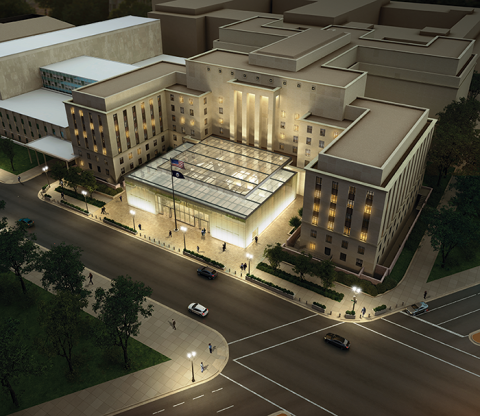
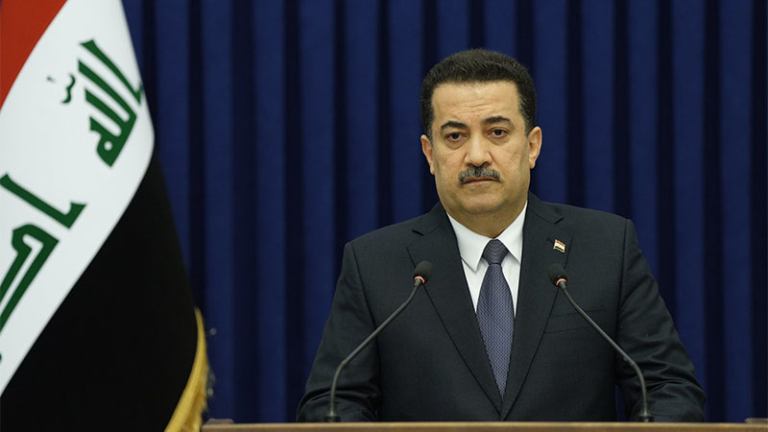
In a significant diplomatic engagement, United States Secretary of State Marco Rubio held a telephone conversation with Iraqi Prime Minister Mohammed Shia al-Sudani, underscoring Washington's strategic interests during a period of profound transition and regional instability. The call, confirmed by the US Department of State, addressed two pivotal issues: the recent transfer of ISIL (ISIS) detainees from Syria to Iraqi custody and the broader US desire for Iraq to maintain independence from Iranian influence. This dialogue unfolds as Iraq stands on the cusp of forming a new government and US-Iran tensions escalate, with military posturing from both sides threatening regional stability.

Key Points of the Diplomatic Discussion
According to the State Department release, Secretary Rubio commended the Iraqi government for its leadership in facilitating the expedited transfer and detention of ISIS terrorists. This operational shift marks a major change in US counterterrorism strategy in Syria. For years, Washington relied on the Kurdish-led Syrian Democratic Forces (SDF) to manage detention facilities. However, following the political changes in Syria, the US has initiated the transfer of detainees to Iraq, with plans to move up to 7,000 individuals, beginning with an initial group of 150.
Urging Distance from Iran
Beyond security cooperation, Rubio's core message centered on Iran. The Secretary emphasized that a government controlled by Iran could not successfully prioritize Iraq's own interests, keep the country out of regional conflicts, or advance the US-Iraq partnership. This direct appeal reflects Washington's deep-seated concerns about the influence of pro-Iranian Shia armed groups within Iraq, particularly those operating under the Popular Mobilisation Forces (PMF) umbrella. The US has long advocated for these groups to be dismantled and integrated into formal state security structures.
Context: Iraq's Political Transition and Regional Tensions
The timing of Rubio's call is inextricably linked to Iraq's domestic politics. The country is expecting the return of Nouri al-Maliki as prime minister, over a decade after his previous term ended. Al-Maliki, who first came to power in 2006 with US backing, later saw his relationship with Washington deteriorate amid accusations of sectarian policies that contributed to the rise of ISIL. His potential return adds a layer of complexity to US-Iraq relations and the regional balance of power.
Escalating US-Iran Standoff
Simultaneously, military tensions between the US and Iran are rising. The US has been moving additional military assets into the Middle East. President Donald Trump recently stated that an "armada" of warships was heading towards the Gulf with Iran as its focal point, following previous threats of military intervention during Iran's domestic protests. Iranian officials have vowed a powerful response to any aggression, referencing the US strikes on Iranian nuclear sites in June. This volatile environment places Iraq in a precarious position, caught between its two influential allies.
Analysis and Implications
Rubio's dialogue with al-Sudani represents a multifaceted diplomatic effort. On one level, it seeks to solidify a crucial security partnership regarding the enduring threat of ISIS. On another, it is a clear attempt to sway Iraq's geopolitical alignment at a moment of internal change. The US vision, as articulated by Rubio, is for Iraq to become "a force for stability, prosperity and security in the Middle East"—a goal Washington believes is incompatible with close Iranian ties. The success of this outreach will depend heavily on the composition and priorities of Iraq's incoming government, as well as its ability to navigate the intense pressure from both Washington and Tehran. The Iraqi government had not issued a public statement regarding the call at the time of reporting, leaving its official stance unclear.