Read on the Guardian
South Africa Expels Israeli Diplomat in Escalating Diplomatic Row
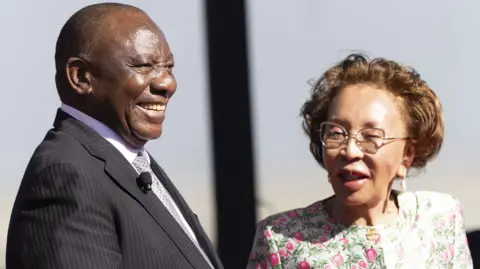
South Africa has declared Israel's chargé d'affaires, Ariel Seidman, persona non grata, ordering him to leave the country within 72 hours. The expulsion, announced by the Department of International Relations and Cooperation (DIRCO), cites 'insulting attacks' on President Cyril Ramaphosa via official Israeli social media channels and a failure to follow diplomatic protocols. Israel responded swiftly with a tit-for-tat expulsion of South Africa's senior representative to Palestine. This incident marks a significant escalation in the long-standing tensions between the two nations, rooted in South Africa's support for the Palestinian cause and its genocide case against Israel at the International Court of Justice.
In a dramatic escalation of diplomatic tensions, South Africa has ordered the expulsion of Israel's top diplomat, a move that triggered an immediate reciprocal response from Israel. This tit-for-tat action underscores the deep-seated rift between the two nations, which has been widening over South Africa's vocal support for Palestine and its legal actions against Israel on the international stage. The immediate catalyst was a series of social media posts deemed offensive by the South African government, but the conflict is rooted in decades of political and ideological divergence. This article examines the events leading to the expulsions, the historical context of South Africa-Israel relations, and the potential implications for bilateral and international diplomacy.
The Diplomatic Expulsions: A Timeline of Events
On Friday, South Africa's Department of International Relations and Cooperation (DIRCO) issued a formal statement declaring Ariel Seidman, the chargé d'affaires at Israel's embassy in Pretoria, persona non grata. The directive gave him 72 hours to leave the country. According to the official DIRCO statement, this decisive measure was a response to "a series of unacceptable violations of diplomatic norms and practice which pose a direct challenge to South Africa’s sovereignty." The cited violations included the "repeated use of official Israeli social media platforms to launch insulting attacks against... President Cyril Ramaphosa" and a "deliberate failure to inform DIRCO of purported visits by senior Israeli officials."
The Israeli response was swift. Within hours, Israel's foreign ministry announced on X that it was expelling Shaun Edward Byneveldt, South Africa's senior diplomatic representative to Palestine based in Ramallah. The ministry's post framed the action as a direct consequence of "South Africa’s false attacks against Israel in the international arena and the unilateral, baseless step" taken against its own diplomat.
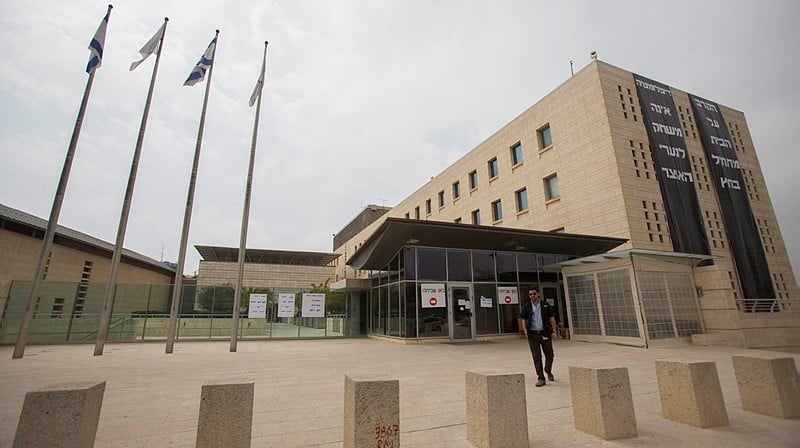
Historical Context: A Long-Standing Rift
The current diplomatic crisis is not an isolated incident but the latest flare-up in a relationship that has been strained for decades. The foundational disagreement stems from South Africa's unwavering support for the Palestinian cause, a position deeply influenced by its own history of apartheid. As detailed in the Guardian report, this solidarity dates back to Nelson Mandela, who, soon after his release from prison, embraced Palestinian leader Yasser Arafat. In 1997, President Mandela famously stated, "Our freedom is incomplete without the freedom of the Palestinians." Many in South Africa draw direct parallels between the country's former apartheid system and Israel's policies in the occupied Palestinian territories, a comparison Israel vehemently rejects.
The ICJ Genocide Case
A major point of contention emerged in December 2023 when South Africa filed a case at the International Court of Justice (ICJ), accusing Israel of committing genocide in Gaza. In a preliminary ruling in January 2024, the court found the claim to be "plausible," though a final judgment is not expected before late 2027. Israel has dismissed the accusations as "outrageous and false." The case has been a source of intense diplomatic friction, with Israel's embassy in South Africa previously criticizing the government on social media for spending public funds on the case, calling it "political theatre."
Recent Provocations and Social Media Warfare
The immediate trigger for the expulsion was a pattern of confrontational communication from the Israeli embassy's official social media accounts. These platforms were used to directly criticize President Ramaphosa and the South African government's policies. For instance, in November, the embassy posted a sarcastic comment praising a statement by Ramaphosa as "a rare moment of wisdom and diplomatic clarity," which was perceived as deeply insulting by South African officials.
Another recent incident that angered Pretoria involved Israeli diplomats meeting with the Thembu king, Buyelekhaya Dalindyebo, in the Eastern Cape province to discuss aid without first informing the South African government. The Eastern Cape premier condemned this as a "sinister deal" and an attempt "to undermine the sovereign right" of South Africa. DIRCO labeled such actions "a gross abuse of diplomatic privilege and a fundamental breach of the Vienna convention."
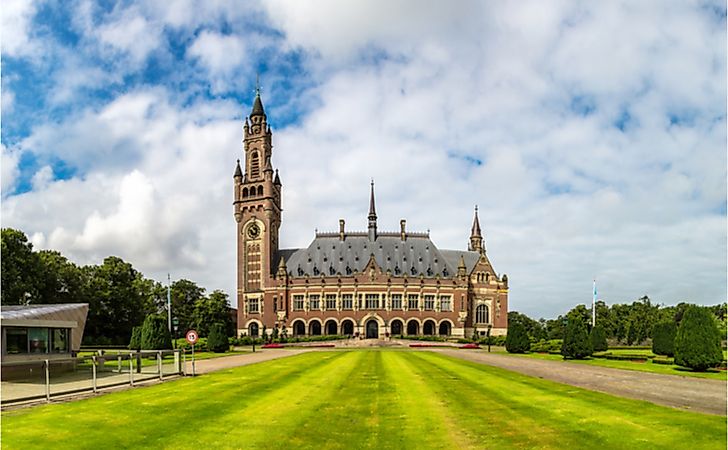
Implications and the Path Forward
The reciprocal expulsions represent a significant downgrade in diplomatic relations. Declaring a diplomat persona non grata is one of the strongest rebukes one state can deliver to another short of severing ties completely. This move will likely freeze high-level dialogue and complicate any cooperation on consular or other bilateral matters. It also places both countries' remaining diplomatic staff in a more precarious and potentially less effective position.
The incident highlights the growing role of social media as a battleground for international diplomacy, where official channels can be used for public rebukes that traditionally occurred behind closed doors. For South Africa, the action reinforces its position as a leading critic of Israel on the global stage, aligning with its foreign policy principles rooted in anti-apartheid solidarity. For Israel, the swift retaliation signals a refusal to back down from confrontations with governments it perceives as hostile, particularly those supporting the Palestinian cause.
In conclusion, the expulsion of diplomats between South Africa and Israel is a symptom of a profound and enduring conflict of values and historical interpretation. While triggered by specific social media insults and protocol breaches, the rift is sustained by fundamental disagreements over Palestine, international law, and historical memory. The tit-for-tat nature of the expulsions suggests a relationship now governed by confrontation rather than cooperation, with little immediate prospect for de-escalation barring a significant shift in the underlying political dynamics of the Israeli-Palestinian conflict.