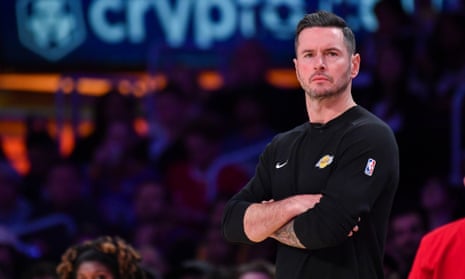
Navigating the Mavericks' Crisis: Strategic Options After a 4-10 Start
The Dallas Mavericks face a critical juncture after a disappointing 4-10 start to the season. With Anthony Davis limited to just five games due to injury, Kyrie Irving still recovering from ACL surgery, and recent front office changes, the franchise must evaluate multiple paths forward. NBA insiders analyze potential strategies including trading Davis, reshaping the roster around rookie Cooper Flagg, waiting for injured stars to return, or pivoting toward lottery positioning. The team's financial constraints and draft capital limitations add complexity to every decision as Dallas navigates this transitional period.
The Dallas Mavericks find themselves in a precarious position just nine months after one of the most shocking trades in NBA history sent franchise cornerstone Luka Doncic to the Los Angeles Lakers. With a disappointing 4-10 start to the season, the team sits near the bottom of the Western Conference standings, prompting serious questions about their immediate future and long-term direction.
Front Office Transition and Current Constraints
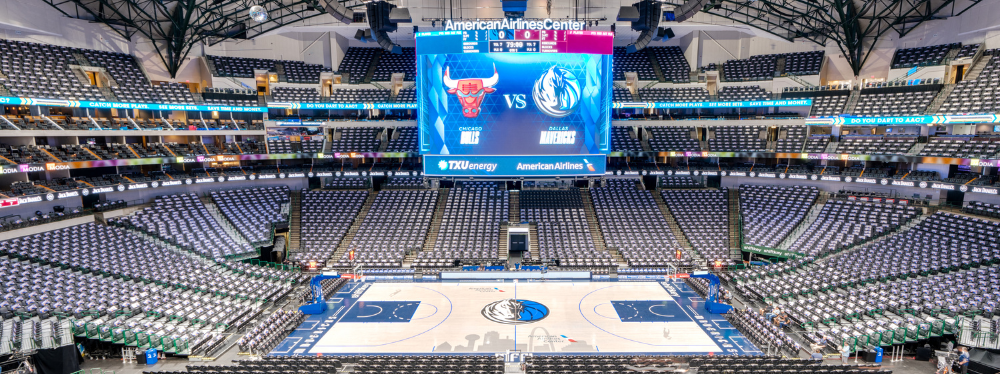
The Mavericks recently fired general manager Nico Harrison, leaving interim GMs Michael Finley and Matt Riccardi to navigate this challenging period. Their authority to make significant roster changes remains uncertain, creating additional complexity for a franchise in transition. The team faces immediate limitations, including being $1.3 million below the second apron and having minimal draft capital with only two second-round picks available for trades.
Anthony Davis Trade Considerations
The potential trade of Anthony Davis represents one of the most significant decisions facing the Mavericks. Davis has played only 15 games since arriving in Dallas, missing substantial time with various injuries including his current calf strain. His $175 million contract extension signed in August 2023 presents both financial opportunity and risk for any potential trade partner.

NBA executives express mixed opinions about Davis's trade value. While acknowledging his All-NBA and All-Defensive team performances with the Lakers, concerns about his injury history and age (he turns 33 in March) create hesitation. The current Collective Bargaining Agreement makes it particularly challenging to justify allocating 35% of the salary cap to a player with significant injury concerns.
Roster Reshaping Around Cooper Flagg
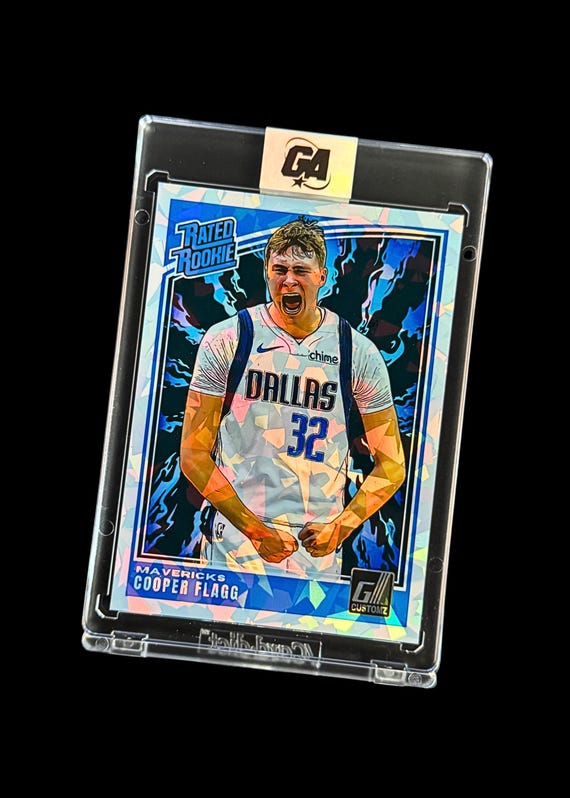
The arrival of rookie Cooper Flagg represents a potential pivot point for the franchise. At just 18 years old, Flagg offers a new timeline for the Mavericks' rebuilding efforts. Trading Davis for perimeter talent could rebalance the roster and put players in more natural positions, potentially accelerating Flagg's development and creating a more cohesive long-term foundation.
Currently, the Mavericks face spacing issues with multiple non-shooters in potential lineups. Davis has made just 26% of his 3-point attempts since the 2020 postseason bubble, while Flagg is shooting 27% from NBA range early in his career. These limitations compound the team's offensive struggles, where they rank 29th in efficiency.
Financial Realities and Future Flexibility
The Mavericks face significant financial constraints that will impact their decision-making. As a repeater tax team projected to pay $142 million in penalties, ownership must consider whether continuing at current spending levels makes sense for a lottery-bound team. The team's position over the second apron brings additional restrictions, including limitations on trade flexibility and the loss of the tax midlevel exception.
Path Forward and Strategic Considerations
Each potential path forward carries distinct advantages and risks. Waiting for Davis and Irving to return healthy could provide immediate offensive improvement, particularly with Irving's elite playmaking abilities. However, even with both stars healthy, the roster construction issues around spacing and defensive versatility would likely persist.
Alternatively, embracing a more deliberate rebuilding approach around Flagg and targeting the 2026 draft class could position the franchise for sustained success. The upcoming draft features multiple potential franchise cornerstones, creating opportunity even if the Mavericks don't secure a top lottery position.
The coming months will reveal whether the Mavericks prioritize short-term competitiveness or commit to a more comprehensive rebuild. With limited trade assets and significant financial commitments, each decision carries substantial implications for the franchise's trajectory in the post-Doncic era.