Read on bbc.com
Syrian Government and Kurdish Forces Reach Historic Integration Deal
The Syrian government has reached a landmark agreement with the Kurdish-led Syrian Democratic Forces (SDF), initiating a process to gradually integrate Kurdish military and administrative institutions into the state. This deal, described by a US envoy as a "profound and historic milestone," follows weeks of clashes and significant territorial shifts in northeastern Syria. The agreement includes the SDF's withdrawal from contact points, the formation of military brigades from its members within the Syrian army, and the transfer of key infrastructure like oil fields and prisons to Damascus. Crucially, it also grants formal recognition of Kurdish cultural, linguistic, and civil rights for the first time since Syria's independence.
In a significant development for Syria's post-civil war landscape, the government in Damascus has finalized a deal with the Kurdish-led Syrian Democratic Forces (SDF) militia alliance. The agreement, reached after weeks of intense clashes, outlines a framework for the gradual integration of Kurdish forces and administrative bodies into the Syrian state, marking a pivotal shift in the country's decade-long fragmentation.

This accord represents the most substantial change in territorial control since the end of the civil war in December 2024, which concluded with the overthrow of former leader Bashar al-Assad. The Kurds, who had controlled nearly a third of Syria's territory with U.S. support following the defeat of the Islamic State (IS) group, recently lost large swathes of northeast Syria to advancing Syrian troops, setting the stage for this negotiated settlement.
The Core Components of the Agreement
The deal, structured as a follow-up to a 14-point ceasefire agreement from earlier in January, contains several key provisions aimed at national reunification. Militarily, it mandates the withdrawal of SDF forces from points of contact with government troops. Members of the SDF will be integrated into the Syrian Arab Army, with the formation of a dedicated military division consisting of three brigades composed of former SDF fighters.
On the civil and administrative front, the agreement calls for the integration of SDF-led administrative and civil bodies into those of the central state. A major practical element involves the transfer of critical infrastructure previously under SDF control back to Damascus. This includes prisons and economically vital oil and gas fields. Syrian troops have already taken control of the Omar facility, the country's largest oilfield, following the SDF's pullback, and earlier seized the strategic Tabqa dam on the Euphrates River.
Historic Recognition of Kurdish Rights
Perhaps the most groundbreaking aspect of the deal is its formal recognition of Kurdish national rights. Syrian President Ahmed al-Sharaa, who led the rebel offensive that overthrew the Assad regime, issued a decree as part of this process that grants unprecedented cultural and civil concessions to the Kurdish population. This marks the first such recognition since Syria gained independence in 1946.
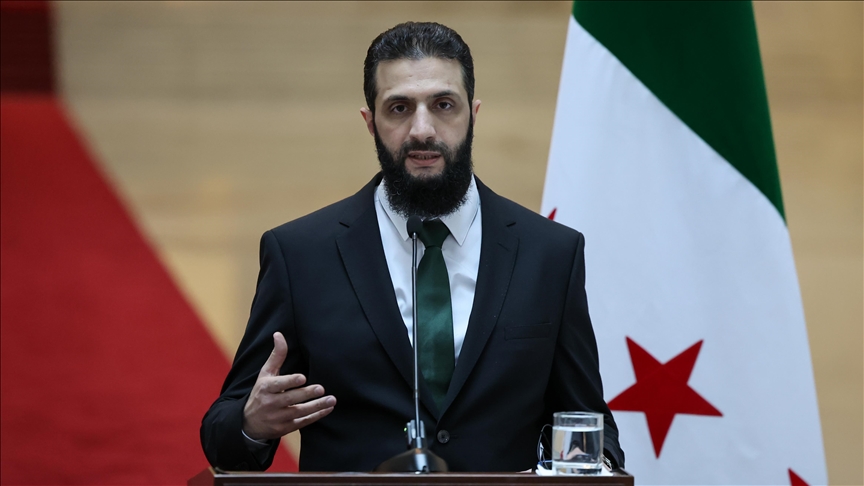
The decree establishes Kurdish as a national language, grants Syrian nationality to stateless Kurds, and declares the Kurdish New Year (Nowruz) a national holiday. The SDF's statement on the social media platform X confirmed that the agreement includes provisions for the civil and educational rights of Kurdish people and guarantees the right of displaced persons to return to their homes.
Path to the Agreement and Regional Implications
The deal culminates months of complex and often stalled negotiations. It follows a failed attempt at a similar integration deal in March 2025, which both sides accused the other of trying to derail. The recent weeks of clashes, which saw the Syrian army reclaim significant territory, ultimately created the conditions for this breakthrough. After the ceasefire was agreed on January 18, President al-Sharaa expressed hope that it would allow Syria to "end its state of division and move to a state of unity and progress."
The international response has been cautiously optimistic. US envoy Tom Barrack characterized the agreement as
"a profound and historic milestone in Syria's journey toward national reconciliation, unity, and enduring stability."The integration of the SDF, a former U.S. partner in the fight against ISIS, into the Syrian state apparatus significantly alters the geopolitical dynamics of the region, reducing the footprint of non-state armed groups and recentralizing authority in Damascus.
Conclusion: A New Chapter for Syria
The Syrian government's deal with the Kurdish-led SDF is more than a ceasefire; it is a blueprint for reintegration. By combining military amalgamation, administrative unification, and historic rights recognition, it attempts to address the root causes of the Kurdish question in Syria that were exacerbated by the civil war. While the implementation of this gradual integration will face challenges, the agreement itself represents a decisive step toward President al-Sharaa's stated goal of reunifying a divided nation. Its success will depend on sustained political will from both Damascus and the Kurdish leadership to translate the signed document into a stable and inclusive reality for all Syrians.