Read on PBS News
A Rare Glimpse: Life and Dissent in Iran at a Pivotal Moment
Through the anonymous testimonies of Iranians, including a fashion designer and a doctor, this article provides a rare window into the recent wave of mass protests and the subsequent brutal crackdown within the Islamic Republic. It explores the unprecedented scale of the demonstrations, the diverse makeup of the protesters, and the severe state response that activists estimate has killed thousands. The piece examines the underlying drivers of dissent—economic despair and demands for personal dignity—and the profound impact of internet blackouts and state violence on the population, capturing a nation at a critical historical juncture.
In the tightly controlled information environment of the Islamic Republic of Iran, firsthand accounts from within its borders are rare and invaluable. A recent report from the Associated Press, based on interviews with Iranians who participated in or witnessed the January 2026 protests, offers a poignant and harrowing glimpse into a society at a breaking point. These narratives, shared anonymously and at great personal risk, reveal not just the mechanics of dissent but the profound human cost of a government's struggle to maintain control. They document a pivotal moment where economic hardship, a yearning for personal freedom, and generational defiance converged on an unprecedented scale.
The Spark and Scale of Unprecedented Protests
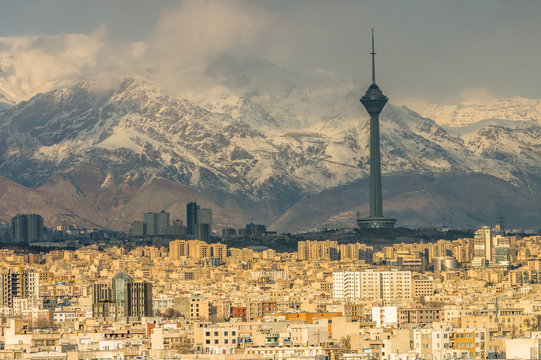
While protests have erupted cyclically in Iran for years, the demonstrations that began in early January 2026 were described by participants as fundamentally different in both scale and composition. Initially sparked by rampant inflation and the plummeting value of the Iranian rial, the protests quickly evolved. Chants soon targeted the country's theocratic leadership directly, a dangerous act of defiance in itself. A 25-year-old fashion designer from Tehran, who protested in both the 2022-23 "Woman, Life, Freedom" movement and the 2026 unrest, noted a critical shift. She observed that the crowds were larger and more diverse, encompassing not only the youth but also older residents, people from affluent backgrounds, and even some children. This broadening of the protest base signaled a deepening discontent that transcended specific demographic grievances.
Witness to a Brutal Crackdown
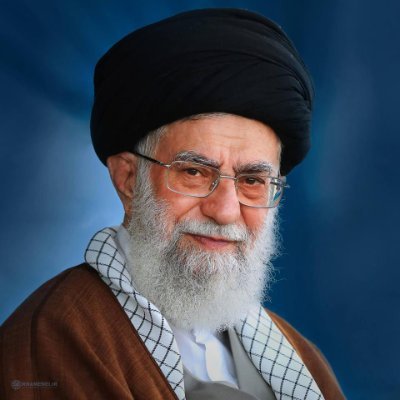
The state's response to this unprecedented challenge was, according to all accounts, exceptionally violent. Activists estimate that over 6,000 people, predominantly protesters, were killed in what they describe as the bloodiest crackdown on dissent since the 1979 revolution. The Supreme Leader, Ayatollah Ali Khamenei, made a rare admission that several thousand had been killed, indirectly acknowledging the scale of both the movement and the government's reaction. On the ground, witnesses described a coordinated and ruthless suppression. Security forces, including anti-riot police and the paramilitary Basij militia, used tear gas, pellet guns, and live ammunition against crowds. The fashion designer recounted being injured by pellets while trying to aid others, her experience underscoring the personal dangers faced by those in the streets.

A Doctor's Harrowing Testimony from the Front Lines
The violence extended from the streets into spaces meant for healing. A doctor from Mashhad, Iran's second-largest city, provided a chilling account of state interference within hospitals. She described security agents, both uniformed and in plain clothes, taking command of hospital emergency rooms. In one horrific instance relayed by a colleague, agents stood over medical staff with guns, instructing them not to treat the wounded protesters who were being brought in, some with fatal gunshot wounds. The doctor also witnessed the state's attempt to control the narrative even in death, recounting how a family was forced to falsely identify their slain daughter as a government supporter to retrieve her body. These actions reveal a systematic effort to obscure the true toll and punish dissent beyond the initial point of conflict.
Isolation, Grief, and an Uncertain Future
In the aftermath, the Iranian government moved to seal the country off from the world and from its own citizens. A widespread internet blackout, circumvented only by a few using devices like Starlink satellite dishes, severed lines of communication and made information gathering perilous. As the immediate momentum of the protests ebbed, a heavy atmosphere of surveillance and fear settled over cities like Tehran, with large deployments of security forces in public squares. For those who witnessed the events, a profound grief and fear of international indifference took root. The Mashhad doctor expressed her deepest anguish not just at the violence, but at the thought that "these events will be treated as something ordinary by the world." The testimonies collectively paint a picture of a population caught between a desperate desire for change and the overwhelming force of a state determined to maintain the status quo at any cost.
The anonymous voices captured in these accounts provide more than just a report on civil unrest; they offer a human-scale map of a nation's fractures. They highlight the convergence of economic despair, demands for personal dignity, and generational courage. While the streets may have quieted, the underlying tensions—between the people and the pillars of the Islamic Republic—remain unresolved. These stories serve as a crucial record of a pivotal moment, a testament to the cost of dissent, and a reminder of the ongoing struggle for rights and recognition within Iran. As one protester poignantly stated, the fundamental demand is for dignity, a concept that continues to fuel resistance even in the face of severe repression.