The Macron Effect: How Presidential Style Drives Fashion Demand
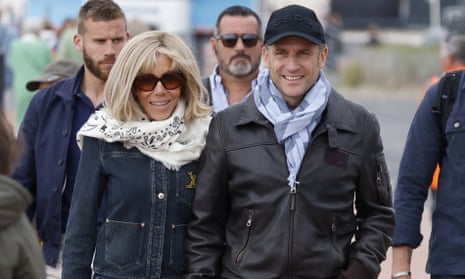
In 2018, French President Emmanuel Macron made a subtle yet powerful sartorial statement at the World Economic Forum in Davos. Wearing a pair of classic French-made sunglasses, he stood in contrast to then-US President Donald Trump. This single, seemingly minor fashion choice ignited what has become known as the 'Macron Effect,' a phenomenon where a political leader's style directly influences consumer behavior and drives significant commercial success for specific brands and artisans. This article explores the intersection of politics, national identity, and fashion, examining how a leader's wardrobe can transcend personal style to become a tool of soft power and economic stimulus for domestic craftsmanship.
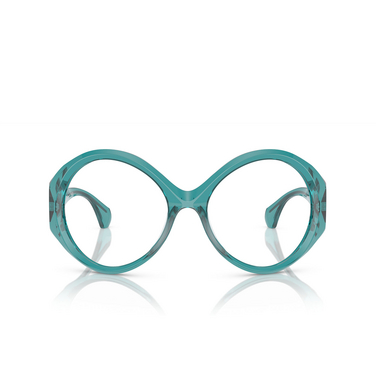
The intersection of political leadership and fashion is rarely a matter of mere personal taste. When French President Emmanuel Macron appeared at the 2018 World Economic Forum in Davos wearing a specific pair of sunglasses, he did more than shield his eyes; he made a calculated statement of national identity and economic patriotism. Standing in contrast to the flamboyant style of then-US President Donald Trump, Macron's choice was a quiet assertion of French elegance and artisanal quality. This moment triggered a surge in demand for the sunglasses, showcasing a powerful phenomenon where a leader's wardrobe becomes a catalyst for commercial success and cultural narrative.
The Davos Moment and the Birth of a Trend
The setting was significant. Davos, a gathering of global economic and political elites, is a stage where image is currency. Macron's sunglasses were not just an accessory but a symbol. They represented a specific vision of France: one built on heritage, craftsmanship, and understated sophistication, positioned against a backdrop of American bravado. The immediate media buzz focused on the juxtaposition of styles, but the lasting impact was commercial. Reports indicated that sales for the model he wore soared, with retailers struggling to meet sudden, international demand. This incident highlights how a leader's visible choices are amplified on the global stage, transforming personal items into objects of public desire.
Fashion as a Tool of Soft Power and Economic Policy
Macron's sunglasses episode is a prime example of fashion functioning as soft power. By championing a product from French artisans, he performed a dual role: that of a head of state and a brand ambassador. This aligns with a broader strategy to promote "savoir-faire" (know-how) and support small-to-medium enterprises within France's luxury and craft sectors. When a president wears a domestically made item, it sends a powerful message of confidence in national industry. It can redirect consumer attention towards local craftsmanship, potentially impacting tourism, export interest, and brand valuation. The choice becomes a non-verbal policy tool, supporting economic objectives through cultural influence.
The Challenges for Artisans Behind the Spotlight
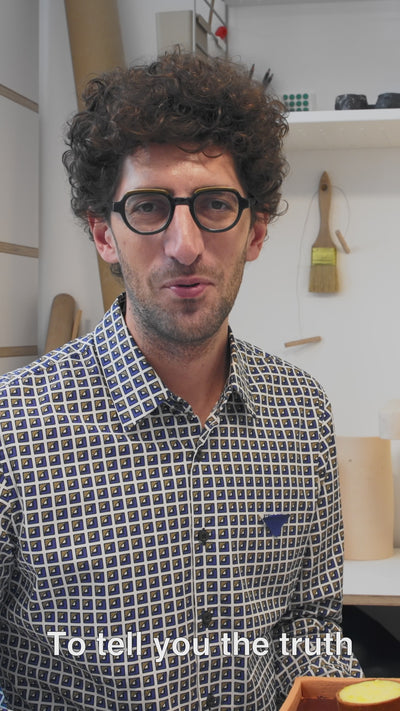
While sudden, president-driven demand is a boon, it also presents significant challenges for the artisans and small workshops typically behind such products. As referenced in industry reports, these businesses often operate with limited capacity and traditional methods. A viral, global spike in orders can strain production lines, force difficult decisions about scaling, and risk compromising the very handcrafted quality that made the product desirable in the first place. The sustainability of such windfalls is also uncertain; fashion trends are fickle, and political news cycles move quickly. Artisans must navigate the delicate balance between capitalizing on momentary fame and maintaining their long-term brand integrity and operational stability.
Beyond Sunglasses: A Recurring Political Fashion Phenomenon
The "Macron Effect" is not an isolated case. Political history is dotted with similar moments where a leader's attire created a market frenzy. From Jacqueline Kennedy's pillbox hats to Michelle Obama's designer dress choices, the impact is well-documented. Each instance reinforces the idea that the political wardrobe is a curated communication channel. In an age of 24/7 visual media, every public appearance is analyzed, making fashion an integral part of a leader's public persona and diplomatic toolkit. The items they choose can endorse values, signal alliances, or, as with Macron, make a stand for a particular national economic sector.
Conclusion: The Lasting Impact of Presidential Style
Emmanuel Macron's sunglasses at Davos transcended fashion to become a case study in political communication and economic influence. The episode demonstrates that in the modern era, a leader's style choices are never just personal—they are public, symbolic, and commercially potent. They can provide a vital, if unpredictable, boost to artisans and champion national industries on the world stage. However, this phenomenon also underscores the volatility and pressure that such attention can bring to traditional craftspeople. Ultimately, the story behind the sunglasses is a reminder that power is expressed not only in words and policies but also in the subtle language of what one chooses to wear.