Read on France 24
Global Flashpoints: Minneapolis, Iran, and Gaza in a Tense Week
This week's global headlines were dominated by three critical flashpoints: the fatal shooting of Alex Pretti in Minneapolis and its political fallout, a U.S. military 'Armada' ultimatum to Iran over its nuclear program, and the symbolic closure of Israel's hostage search in Gaza. These events highlight the complex interplay of domestic accountability, international brinkmanship, and unresolved conflict, revealing deep political divisions and setting the stage for significant policy shifts in the coming weeks.
This Friday's global news cycle presents a triptych of high-stakes developments, each with profound implications for domestic politics and international relations. From the streets of Minneapolis to the strategic waters of the Arabian Sea and the war-torn landscape of Gaza, this week's events underscore a world grappling with accountability, military brinkmanship, and the painful legacy of conflict. We analyze the key narratives, the political fractures they expose, and the potential trajectories for U.S. policy under the Trump administration.

The Implications of a Fatal Week in Minneapolis
The fatal shooting of Alex Pretti by U.S. Border Force agents in Minneapolis has become a pivotal case study in the power of citizen journalism and the struggle to control official narratives. In the immediate aftermath, the Trump administration moved swiftly to frame Pretti as a domestic terrorist and would-be assassin. However, as detailed in coverage from France 24's The World This Week, eyewitness video footage directly contradicted these official accounts, providing a raw, unfiltered record of the event.
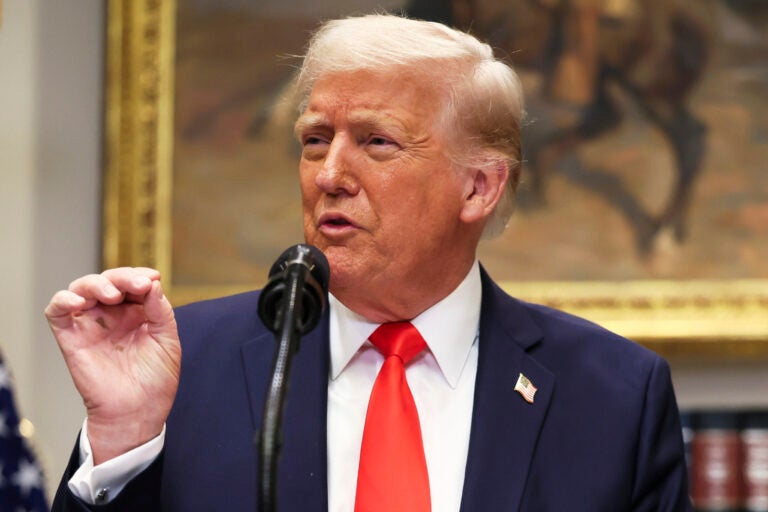
This visual evidence has proven fundamental in holding government actions to account, forcing a rare concession from President Trump, who is more typically known for an 'attack as a form of defence' approach. The political fallout has been immediate and significant. Two Border Force agents have been placed on administrative leave, and the incident is causing visible splits within the Republican Party and the broader MAGA movement. Furthermore, the controversy appears to be leading to a tangible policy shift, with Immigration and Customs Enforcement (ICE) operations now reportedly set to be reduced in Minneapolis, signaling how public pressure can alter enforcement priorities.
Iran & the ‘Armada’ Ultimatum
Simultaneously, the U.S. has issued what appears to be a final warning to the Iranian regime. President Trump took to Truth Social to explicitly state that "time is running out," backing the threat with the deployment of a "massive Armada" of U.S. military assets into the Arabian Sea. The centerpiece of this show of force is the nuclear-powered aircraft carrier USS Abraham Lincoln, whose arrival in the strategic waters presents Tehran with a stark binary choice.

According to analysis, Iran must either face the prospect of direct U.S. military action for the second time in less than a year or agree to a new deal regarding its nuclear program. This ultimatum comes on the heels of a brutally suppressed domestic uprising within Iran, where the death toll of protesters is estimated to be in the tens of thousands. The Iranian regime has responded defiantly, stating they are waiting with "fingers on the trigger," setting the stage for a dangerous period of escalation. The situation represents a critical test of the administration's maximum pressure campaign and its willingness to engage in direct confrontation.
What is Trump’s Goal for Gaza?
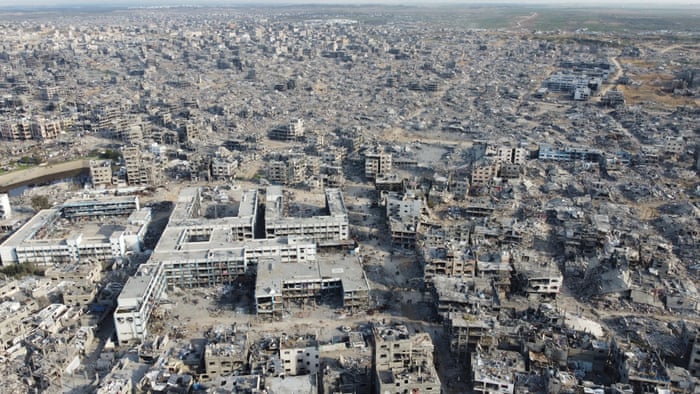
In Gaza, a chapter closed this week with a somber milestone. Israel held the final funeral for the last identified hostage, Master Sergeant Ran Gvili, known as "the Shield." His remains were recovered by IDF troops from a cemetery in Gaza City, concluding a grueling two-year-and-four-month search. Gvili was killed while defending a kibbutz during the Hamas-led massacre on October 7th. This event brings a painful, symbolic end to one phase of the conflict but offers no clear path forward for the population of Gaza, which continues to endure a bleak winter caught between war and a fragile, unresolved truce.
The focus now shifts to the next contentious phase of any potential truce plan: the disarmament of Hamas. This objective remains a monumental challenge, entangled with issues of governance, reconstruction, and long-term security. The administration's goal appears to be leveraging this moment of closure to advance a plan that prioritizes the neutralization of Hamas, yet it must navigate the immense humanitarian crisis and the complex political realities on the ground. The strategy will define the U.S. role in the next stage of this protracted conflict.
Conclusion: A World at a Crossroads
This week's events are not isolated incidents but interconnected symptoms of a volatile global landscape. The Minneapolis shooting reveals deep domestic fissures over state power and accountability. The Iranian ultimatum highlights a foreign policy approach rooted in military posturing and maximalist demands. The situation in Gaza underscores the enduring human cost of unresolved conflict and the difficult search for stability. Together, they paint a picture of an administration willing to confront challenges directly—and often combatively—both at home and abroad. The coming weeks will reveal whether these confrontations lead to de-escalation and policy adjustments or to further polarization and escalation.