ICE Activity in Minnesota: A Convergence of Politics, Technology, and Civil Unrest
The recent escalation of ICE operations in Minnesota has created a complex crisis involving federal immigration enforcement, far-right misinformation campaigns, and corporate complicity. This article examines the fatal shootings, political responses, and the role of technology platforms in amplifying dangerous narratives. We explore how Silicon Valley leaders have responded, the changing landscape of TikTok under new ownership, and the broader implications for civil liberties and corporate responsibility in a polarized political climate.
The recent escalation of Immigration and Customs Enforcement (ICE) operations in Minnesota has created a multifaceted crisis that extends far beyond immigration policy. What began as increased federal enforcement activity has evolved into a complex convergence of political polarization, corporate complicity, and digital misinformation. This situation reveals how immigration enforcement has become intertwined with broader political agendas, technological platforms, and corporate interests, creating a volatile environment with significant implications for civil liberties and democratic norms.

The Minnesota Crisis: Escalation and Response
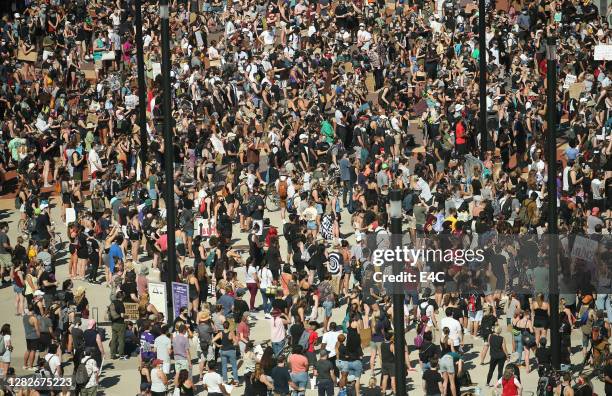
The situation in Minnesota reached a critical point when federal immigration agents engaged in operations that resulted in multiple fatalities and widespread protests. Tens of thousands of Minnesotans took to the streets to peacefully document and protest ICE activities, which included the fatal shooting of Minneapolis resident Renee Nicole Good and the arrest of a 5-year-old child, Liam Conejo Ramos. The situation escalated further when federal agents shot and killed Alex Pretti, a 37-year-old nurse participating in the protests. These events have sparked national attention and raised serious questions about the scope and conduct of immigration enforcement operations.
The Trump administration responded by removing Gregory Bovino, a border patrol official styled as a commander-at-large, from Minnesota operations. Border czar Tom Homan took over operations in the state, but ground-level tensions have not significantly deescalated. The situation reached a new level of concern when Democratic Representative Ilhan Omar was sprayed with an unknown substance while speaking with constituents at a town hall meeting. This incident highlighted the dangerous intersection of political violence and immigration enforcement debates.
The Role of Far-Right Misinformation
A critical element of the Minnesota situation involves the role of far-right influencers in spreading misinformation that helped create the pretext for increased ICE activity. The Trump administration's stated reason for beefing up immigration enforcement in Minnesota was to address fraud in the state's Medicaid program. While the fraud crisis is real, the specific claims that attracted administration attention originated from questionable sources.

Right-wing influencer Nick Shirley played a particularly significant role with an influential YouTube video claiming, without proof, that daycare centers operated by Somali residents in Minneapolis had misappropriated millions of dollars. This unsubstantiated claim helped create a narrative that justified increased federal intervention. The attack on Representative Ilhan Omar, a Somali American, appears connected to this misinformation ecosystem, as the attacker's online profile showed engagement with such claims.
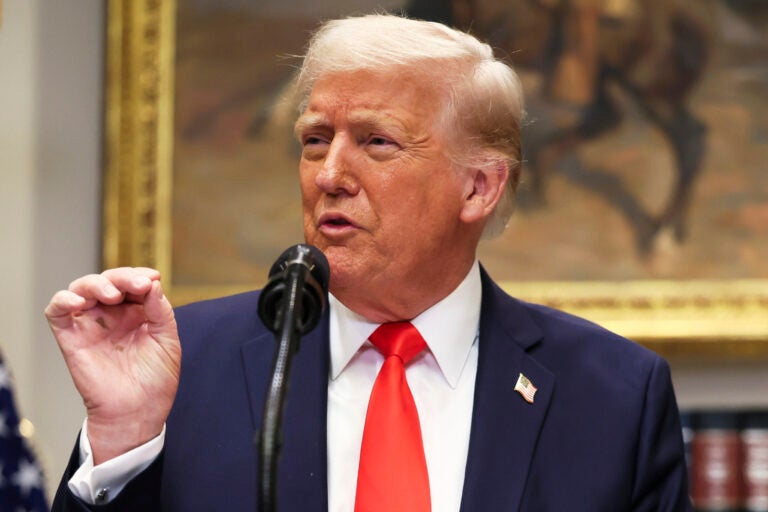
The response to these events followed a familiar pattern in contemporary political discourse. Immediately after the attack on Representative Omar, right-wing influencers attempted to spin the incident as staged, with some claiming they could see her giving signals to coordinate a fake attack. Even President Trump suggested she "probably staged it herself" in comments to ABC News. This pattern of instant discrediting and conspiracy theories has become a standard playbook in response to politically inconvenient events.
Corporate Complicity and Silicon Valley's Response
The corporate response to the Minnesota crisis has revealed significant tensions between business interests and ethical considerations. Hours after federal agents killed Alex Pretti, several prominent tech CEOs attended a private White House screening of the Amazon MGM Studios-produced Melania documentary. Attendees included Apple's Tim Cook, Amazon's Andy Jassy, and AMD's Lisa Su. Their presence at this event while protests continued in Minnesota sparked significant backlash from employees and the public.
Tim Cook eventually issued a tepid internal statement suggesting he had used the White House visit to discuss immigration concerns with President Trump. However, many observers found this explanation difficult to believe, noting Cook's reputation as a diplomat who prioritizes Apple's interests above political confrontation. The incident highlighted the ongoing tension between corporate leaders' desire to maintain favorable relationships with political power and their employees' expectations of ethical leadership.
The response from rank-and-file tech workers has been more vocal. Employees at companies like Apple have internally challenged their leadership's decisions, while Google DeepMind workers raised concerns about their physical safety after a federal agent showed up at Google's Cambridge office. These concerns reflect the reality that Silicon Valley's workforce includes many immigrants who feel increasingly vulnerable in the current political climate.
Perhaps most telling is the situation at Palantir, which has a $30 million contract with DHS and ICE to build Immigration OS, a platform designed to gather data for deportations. Even Palantir employees have questioned their company's involvement in these activities through public Slack channels, asking what they can do to stop it. The fact that Palantir employees are expressing more concern than some mainstream tech CEOs illustrates the complex ethical landscape corporations now navigate.
TikTok's Transition and Data Privacy Concerns
Parallel to the Minnesota crisis, significant changes are occurring in the social media landscape that may influence how such events are discussed and understood. The U.S. version of TikTok officially launched on January 22nd, with new ownership that includes Oracle (15% stake) and other U.S.-based shareholders, though ByteDance maintains some involvement. The transition has been rocky, with users reporting technical issues that some interpreted as censorship of content critical of ICE and Donald Trump.
The ownership structure raises concerns about potential political influence. Oracle co-founder Larry Ellison is a close ally of Donald Trump, and his son David Ellison, CEO of Paramount Skydance, has installed Bari Weiss at the head of CBS News, moving that network in a more Trump-friendly direction. This interlocking network of media interests creates legitimate concerns about whether TikTok's algorithm might subtly favor certain political perspectives.
Compounding these concerns are changes to TikTok's terms of service that request more permissions from U.S. users. The app now seeks permission for more granular location tracking, including precise GPS-derived location data it previously didn't collect from U.S. users. Additionally, any information users provide to TikTok's AI tools will be tracked and potentially used for advertising purposes. These changes occur amid significant trust issues between the platform and its user base.
Security Implications of Emerging AI Technologies
Beyond social media, emerging AI technologies present their own security and ethical challenges. The rise of AI assistants like Moltbot (formerly ClawdBot) demonstrates both the potential and risks of automation. These tools can connect various applications on a user's computer and execute commands through simple messaging interfaces, potentially handling tasks ranging from scheduling meetings to processing invoices.
However, security experts warn about the risks of granting such tools access to sensitive information. The usefulness of AI assistants is directly proportional to how much information users provide them, creating a dangerous incentive to share increasingly sensitive data. While Moltbot can run locally on a user's computer, some choose to run it in the cloud, potentially exposing their data to additional risks.

The fundamental security concern involves modeling worst-case scenarios. If an AI assistant has access to financial information, medical data, or sensitive work materials, users should assume that information could potentially become public. This risk assessment becomes particularly important as mainstream platforms like Google Chrome introduce similar auto-browse features that allow AI agents to shop, book flights, and browse the web on users' behalf.
Broader Implications and Moving Forward
The Minnesota situation and its technological context reveal several broader trends in contemporary society. First, the effectiveness of nonviolent resistance has been demonstrated through the disciplined protests in Minnesota, which have had concrete effects on personnel and policy decisions. This traditional form of protest remains a powerful tool despite increasing political polarization.
Second, corporate leaders face increasing pressure to balance business interests with ethical considerations. The fiduciary responsibility to shareholders often conflicts with employee expectations and public sentiment, creating difficult decisions for executives navigating politically charged environments.
Third, the information ecosystem continues to evolve in ways that complicate public understanding of complex events. The combination of far-right misinformation, algorithmic content distribution, and corporate data collection creates an environment where establishing shared facts becomes increasingly difficult.
Finally, emerging technologies present both opportunities and risks that society must carefully navigate. As AI tools become more integrated into daily life, users must balance convenience against security concerns, while policymakers must consider appropriate regulatory frameworks.
The convergence of these issues in Minnesota serves as a microcosm of broader challenges facing democratic societies. How communities, corporations, and governments respond to such crises will shape the future of civil liberties, corporate responsibility, and technological governance in an increasingly complex world.