Read on PBS News
Trump's Tariff Threat on Cuba Oil: A New Front in U.S. Pressure Campaign
In a significant escalation of U.S. policy toward Cuba, President Donald Trump has signed an executive order threatening tariffs on any country that sells oil to the island nation. This move directly targets Mexico, which has been a crucial energy lifeline for Cuba amidst a severe economic and energy crisis. The order intensifies the long-standing U.S. embargo, aiming to further isolate the Cuban government by coercing its international allies. This article analyzes the immediate implications for Cuba-Mexico relations, the strategic calculus behind Trump's decision, and the broader geopolitical tensions unfolding in Latin America.
In a bold move to intensify pressure on the Cuban government, President Donald Trump has leveraged U.S. economic power to target the island's international support network. By signing an executive order threatening tariffs on nations that provide oil to Cuba, the Trump administration has opened a new front in its campaign to isolate Havana. This strategy places immediate and intense pressure on Mexico, a key regional ally that has sustained Cuba through critical oil shipments. The development marks a significant hardening of U.S. policy and raises profound questions about energy security, regional diplomacy, and the humanitarian impact on the Cuban people.

The Executive Order and Its Immediate Target
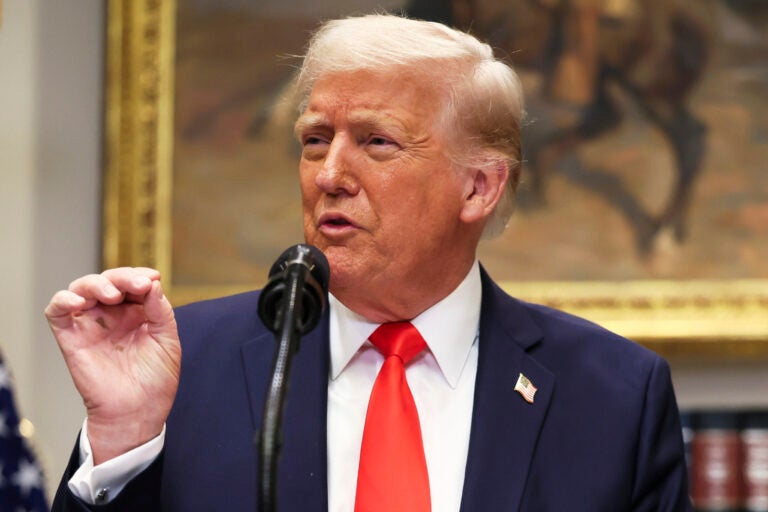
On January 29, 2026, President Trump signed an executive order authorizing tariffs on goods from any country that sells or provides oil to Cuba. As reported by PBS NewsHour, the order is designed to "further cripple an island plagued by a deepening energy crisis." When questioned by reporters, Trump acknowledged the severe impact, stating, "I'm not trying to [choke off Cuba], but, it looks like it's something that's just not going to be able to survive." The primary target of this policy is Mexico. For years, Mexico's state-owned oil company, Pemex, has acted as an energy lifeline, shipping significant quantities of oil to Cuba. This relationship has persisted even as Mexican President Claudia Sheinbaum has sought to build a working relationship with the Trump administration.
Mexico's Precarious Position and Ambiguous Response
Caught between maintaining regional solidarity and avoiding U.S. economic retaliation, the Mexican government has responded with notable ambiguity. President Sheinbaum has provided conflicting statements regarding oil shipments. She initially indicated that Pemex had temporarily paused some shipments, framing it as a sovereign decision related to supply fluctuations, not U.S. pressure. Later, she clarified that shipments were governed by existing Pemex contracts and that "humanitarian aid" would continue. Following a phone call with President Trump on January 30, Sheinbaum stated Cuba was not discussed, but emphasized Mexico's desire to serve as an intermediary between the U.S. and Cuba. This lack of clarity underscores the extreme diplomatic pressure Mexico faces.

Cuba's Deepening Crisis and Reliance on Allies
Cuba's current predicament is the result of a perfect storm: decades of U.S. economic sanctions, internal economic challenges, and the loss of other key allies. The island has historically relied on oil shipments from Venezuela and Russia. However, the recent U.S.-backed ouster of Venezuelan President Nicolás Maduro severed that vital supply line. Data highlights Cuba's dependency: Pemex reported shipping nearly 20,000 barrels of oil per day to Cuba in the first nine months of 2025. Following a visit by U.S. Secretary of State Marco Rubio to Mexico City, experts noted this figure had dropped to approximately 7,000 barrels per day by September 2025, signaling the early effects of U.S. pressure.
Regional Repercussions and Condemnation
The U.S. move has sparked condemnation across Latin America and from Cuban officials, who frame it as economic warfare. Cuban Foreign Minister Bruno Rodríguez denounced the executive order as a "brutal act of aggression" and accused the U.S. of using "blackmail and coercion." Cuban Deputy Foreign Minister Carlos F. de Cossio argued on social media that the U.S. was attempting to "force sovereign states to join the embargo" under "threat of tariff coercion." This sentiment reflects a broader regional concern that the U.S. is undermining national sovereignty by dictating the foreign policy and trade relationships of other nations. The policy risks further alienating the U.S. in a region where opposition to the Cuban embargo is widespread.

Strategic Implications and the Path Forward
President Trump's tariff threat represents a strategic escalation with several clear objectives. First, it aims to complete the economic isolation of Cuba by cutting off its last major energy suppliers. Second, it tests the limits of U.S. leverage over neighboring Mexico, a critical trade partner. Third, it signals a more confrontational U.S. posture in Latin America following the intervention in Venezuela. The immediate future hinges on Mexico's decision: will it risk U.S. tariffs to maintain its solidarity with Cuba, or will it comply, potentially dooming the Cuban government to an unprecedented energy collapse? The situation also places other potential suppliers, like Russia, on notice. Ultimately, this policy tightens the vise on Cuba, pushing the nation toward a potential breaking point while challenging the norms of international diplomacy and economic sovereignty.