Read on bbc.com
UN Faces Imminent Financial Collapse as Member States Withhold Funding
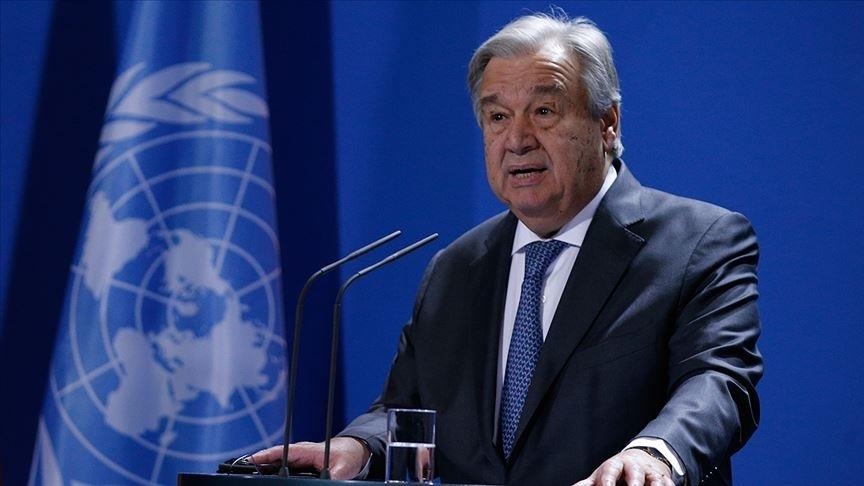
United Nations Secretary-General António Guterres has issued a stark warning that the international organization faces an 'imminent financial collapse' due to member states failing to pay their mandatory fees. With funds potentially running out by July, the UN is being forced to return millions of dollars it never actually collected while implementing severe austerity measures at its headquarters. The crisis has been exacerbated by the United States, the UN's largest contributor, withholding payments from regular and peacekeeping budgets and withdrawing from multiple agencies. This financial emergency threatens the delivery of critical humanitarian programs worldwide, from maternal health clinics in Afghanistan to food rations for Sudanese refugees.
The United Nations, the world's premier international organization for maintaining peace and security, is confronting its most severe financial crisis in decades. Secretary-General António Guterres has warned that the UN risks 'imminent financial collapse' because member states are not honoring their financial obligations. This article examines the depth of the crisis, its primary causes, and the potential consequences for global humanitarian and peacekeeping efforts.
The Scale of the Financial Crisis
In a letter to all 193 member states, Guterres stated that the organization's money could run out by July, threatening programme delivery across its global operations. The secretary-general emphasized that this situation is 'categorically different' from past financial challenges because decisions not to pay assessed contributions have been formally announced by several nations. As reported by the BBC, only 77% of the total owed had been paid in 2025, leaving a record amount unpaid and creating an unsustainable cash flow problem.
Primary Causes: Withheld Contributions and Structural Issues
The crisis stems from two interconnected problems: member states withholding mandatory payments and structural flaws in the UN's financial rules. The United States, as the UN's largest contributor, has played a significant role in the current predicament. The US refused to contribute to the UN's regular budget in 2025 and offered only 30% of its expected funding to peacekeeping operations. Furthermore, in January, the US withdrew from dozens of international organizations, including 31 UN agencies, citing a desire to end funding for entities that 'advance globalist agendas over US priorities.'
Other nations have also reduced their financial support. Both the UK and Germany have announced significant cuts to foreign aid, which inevitably impacts UN operations. Compounding these withheld payments is a problematic UN rule that requires the organization to return unspent money on particular programmes to members—even when that money was never collected. Guterres described this as a 'double blow' where the UN is 'expected to give back cash that does not exist.' In one stark example, the UN was compelled to return $227 million in funds it had never actually collected.
Immediate Consequences and Austerity Measures
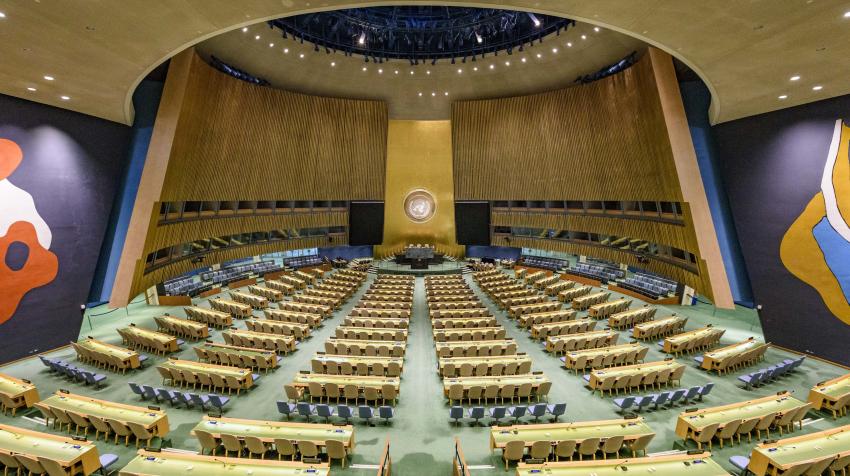
The financial shortfall has forced the UN to implement drastic cost-saving measures. At its Geneva headquarters, signs warning of the situation are displayed throughout the building. In a visible attempt to conserve cash, escalators are regularly turned off and heating is reduced. More critically, the funding crisis is directly impacting humanitarian and peacekeeping missions worldwide. The UN's human rights office has warned that serious violations may now go undocumented due to insufficient funds to deploy investigators, potentially allowing war crimes and crimes against humanity to occur without accountability.
Specific agency cuts illustrate the human cost. In Afghanistan, which has one of the world's highest maternal mortality rates, the United Nations Population Fund (UNFPA) has been forced to close mother and baby clinics. The World Food Programme has had to reduce rations to refugees fleeing the conflict in Sudan. These cuts occur despite the UN rarely receiving all the funding it requests for humanitarian crises, with the past 12 months being particularly difficult.
Guterres's Ultimatum and the Path Forward
Faced with this escalating emergency, Secretary-General Guterres has presented member states with a clear ultimatum. He stated in his letter: 'Either all member states honour their obligations to pay in full and on time – or member states must fundamentally overhaul our financial rules to prevent an imminent financial collapse.' This call for action highlights the unsustainable nature of the current system, where the UN's operational integrity depends entirely on voluntary compliance with financial commitments that lack enforcement mechanisms.
The situation is further complicated by political developments. Former US President Donald Trump has been accused by critics of seeking to replace some UN functions with his proposed Board of Peace for Gaza regeneration efforts. When asked whether this board would take the UN's place, Trump responded, 'Well, it might.' Additionally, the US officially left the UN's World Health Organization last week, having refused to pay its 2024 and 2025 dues despite legal obligations to do so.
Conclusion: A Critical Juncture for Multilateralism
The UN's financial crisis represents more than just a budgetary shortfall; it signals a critical challenge to the entire multilateral system established after World War II. As nations increasingly prioritize national interests over collective global responsibilities, the institutions designed to address transnational problems face existential threats. The coming months will determine whether member states can reach consensus on sustainable funding mechanisms or whether the world will witness the gradual erosion of an organization central to international diplomacy, humanitarian aid, and conflict resolution. The choice between honoring commitments and overhauling the system will define the future of global cooperation.