Iran Warns US Military Assets Are Within Range of Its Missiles as Tensions Escalate
Amid a significant military buildup in the Gulf, Iran has issued a stark warning that numerous US military assets in the region are within range of its medium-range missiles. This statement comes as diplomatic efforts to avert a potential conflict stall, with the US imposing new sanctions and analysts warning of increased regional destabilization. The situation is compounded by internal protests in Iran and international pressure, including the EU's designation of the IRGC as a terrorist organization. This article analyzes the current standoff, the strategic calculations of both nations, and the precarious path forward.
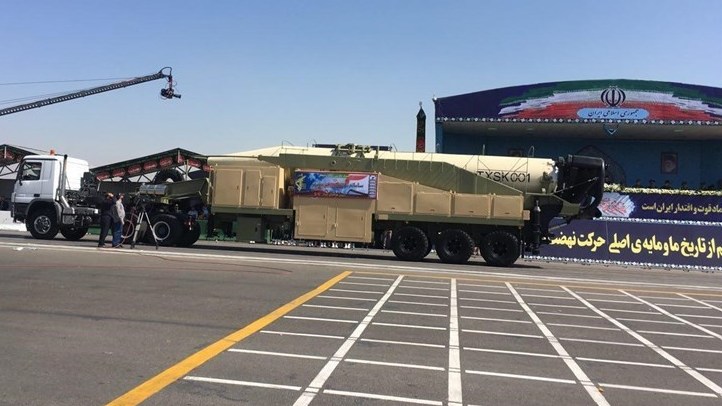
In a significant escalation of rhetoric, Iranian officials have declared that numerous US military assets deployed throughout the Gulf region are "within the range of our medium-range missiles." This stark warning, reported by Al Jazeera, underscores the dangerously heightened state of tensions between Tehran and Washington. The statement serves as both a deterrent and a public acknowledgment of the military standoff, occurring alongside a stalled diplomatic process and a new wave of US sanctions. The situation presents a volatile mix of military posturing, economic pressure, and fragile international mediation efforts, raising the specter of a broader regional conflict.

The Military Calculus and Iranian Deterrence
Iran's warning highlights its primary strategic asset in any potential confrontation: its substantial arsenal of precision-guided missiles. By publicly stating that US forces are within range, Iran aims to establish a credible deterrent, signaling to Washington that any attack would incur significant costs. This posture is analyzed in the context of what experts describe as Iran's current feeling of exposure. Analyst Alan Eyre of the Middle East Institute noted that Iran's "proxy network has been eviscerated by Israel" and its nuclear program is compromised, leaving its missile capabilities as a key element of its defense strategy.
However, this deterrence is being tested by a substantial US military buildup in the region. The presence of additional naval assets, including in the Gulf of Oman, represents a form of "gunboat diplomacy" that analysts like Eyre believe increases the risk of a miscalculation or direct confrontation. The Iranian security official Ali Shamkhani dismissed the notion that this US presence grants Washington an advantage, claiming Iran has "exposed the enemy's plans" and remains on high alert.
Diplomatic Deadlock and Sanctions Pressure
Parallel to the military tensions, the diplomatic track appears frozen. Iranian Foreign Minister Araghchi has stated there are "currently no meetings or planned contacts with US officials," stressing that the conditions for talks have not been met. The US, under the reported perspective of the Trump administration, is seen as seeking a "conclusive resolution" to the issues of Iran's nuclear and missile programs, viewing Tehran as weakened by internal and regional crises.
This deadlock is reinforced by ongoing economic pressure. The US Treasury Department has recently imposed new sanctions on seven Iranian nationals, including the Interior Minister, and one entity. Furthermore, the European Union has designated Iran's Islamic Revolutionary Guard Corps (IRGC) as a terrorist organization, a move condemned by Iranian Parliamentary Speaker Mohammad Bagher Ghalibaf as "supporting terrorism." These measures shrink the diplomatic space and harden positions on both sides.
Regional Implications and Mediation Efforts
The potential for conflict carries severe regional implications. Analysts warn that Iran, if attacked, possesses the capacity to retaliate in ways that could destabilize the entire Middle East. This includes targeting international shipping routes, striking oil facilities, and potentially attacking US allies such as Israel. Ellie Geranmayeh of the European Council on Foreign Relations warned that Tehran could "directly increase the cost" to the US by targeting American soldiers stationed across the region.
In this tense environment, regional actors like Türkiye are positioning themselves as potential mediators. Turkish Foreign Minister Hakan Fidan met with his Iranian counterpart and urged a resumption of nuclear talks. Türkiye's unique position—sharing a vast border and significant trade with Iran while being a NATO member—grants it communication channels with both sides. The country has a vested interest in preventing a conflict that would directly affect its security and economic stability.

Internal Iranian Dynamics
Complicating Iran's external posture are its internal challenges. Iranian authorities have reported arresting individuals responsible for destroying public property during recent antigovernment protests in southern Tehran. Domestic unrest adds another layer of pressure on the Iranian leadership, potentially influencing its risk calculus in dealings with the United States. A government facing internal dissent may view external confrontation as a means to consolidate national unity, or conversely, may seek to avoid a costly war that could exacerbate domestic troubles.
Conclusion: A Precarious Path Forward
The warning that US assets are within missile range is not an isolated statement but a symptom of a deeply entrenched and escalating crisis. The combination of military buildup, sanctions pressure, diplomatic stagnation, and regional volatility creates a high-risk environment. As analyst Ian Lesser noted, the "unconventional and unpredictable" approach of the involved parties could yield surprising outcomes, "for better or for worse." The path to de-escalation appears narrow, requiring a resumption of credible diplomacy, likely facilitated by a third party like Türkiye, and a mutual step-back from military brinkmanship. Until then, the Gulf region remains on a knife's edge, with the potential for a miscalculation to trigger a conflict with far-reaching consequences.