Read on the Guardian
Tragedy at Rubaya: Over 200 Killed in DRC Coltan Mine Collapse
A catastrophic mine collapse in the Democratic Republic of Congo's Rubaya region has claimed the lives of more than 200 artisanal miners. The Rubaya mine, which produces approximately 15% of the world's coltan—a critical mineral for electronics—has been under the control of the M23 rebel group since 2024. The disaster highlights the deadly human cost behind the global supply chain for smartphones and computers, occurring in a region plagued by conflict and informal mining operations.
A devastating landslide at the Rubaya coltan mine in the eastern Democratic Republic of Congo (DRC) has resulted in one of the deadliest mining disasters in recent memory, with officials confirming more than 200 fatalities. The tragedy underscores the perilous conditions faced by artisanal miners who extract critical minerals for the global technology industry, often for mere dollars a day, in a region destabilized by armed conflict.
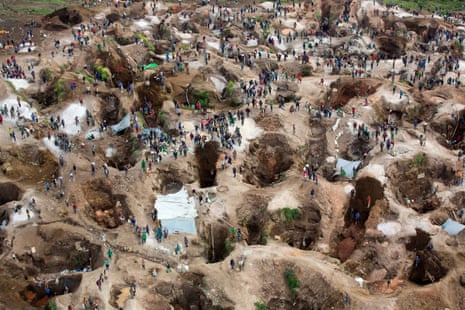
The Rubaya Mine Disaster
The collapse occurred on Wednesday, with the full scale of the tragedy becoming clear by Friday. Lumumba Kambere Muyisa, a spokesperson for the rebel-appointed governor of North Kivu province, reported to Reuters that "more than 200 dead" had been confirmed, with many victims still trapped in the mud. The precise death toll remained fluid, with an adviser to the governor anonymously stating the number of confirmed dead was at least 227. The landslide, attributed to heavy seasonal rains, buried miners who were working manually at the site.
Coltan: A Critical Mineral with a Deadly Cost
The Rubaya mine is not just any mining site; it is a linchpin in the global supply chain for consumer electronics. The mine produces an estimated 15% of the world's coltan (columbite-tantalite). This ore is processed into tantalum, a heat-resistant, corrosion-proof metal essential for manufacturing capacitors used in virtually every mobile phone, computer, and many aerospace components. The high demand for these devices creates immense economic pressure, often met by informal, hazardous mining operations like those in Rubaya.

Conflict and Control in Eastern DRC
The disaster occurred in a context of severe instability. The Rubaya mine has been under the control of the M23 rebel group since 2024. The UN accuses M23 of plundering the region's mineral riches, including coltan from Rubaya, to fund its insurgency—a charge supported by allegations of backing from neighboring Rwanda, which Kigali denies. The M23's stated aim is to overthrow the DRC government and protect the Congolese Tutsi minority, and the group captured significant mineral-rich territory in a major advance last year. In response to the collapse, the rebel-appointed governor has temporarily halted all artisanal mining at the site and ordered the relocation of residents living nearby.
The Human Toll and Response
Beyond the staggering death count, the collapse left many injured. Victims were taken to three local health facilities in Rubaya, with plans to transfer the seriously wounded to hospitals in Goma, approximately 50 kilometers away. The incident is a grim reminder of the risks inherent in artisanal mining, where safety regulations are virtually non-existent, and workers dig by hand in unstable pits for minimal pay. The international community often benefits from these minerals while the human and environmental costs are borne locally.

Conclusion: A Call for Ethical Accountability
The Rubaya mine collapse is a profound human tragedy and a stark indictment of a global system that prioritizes cheap components over human safety. It exposes the deadly intersection of conflict minerals, informal labor, and consumer demand. As the world relies more heavily on technology, the ethical responsibility to ensure minerals are sourced without funding conflict or costing lives becomes more urgent. This disaster should serve as a catalyst for greater transparency, stricter due diligence in supply chains, and support for stability and formalized, safe mining practices in the DRC.