Read on PBS News
Journalists Indicted for Alleged Role in Minnesota Church Protest Disruption
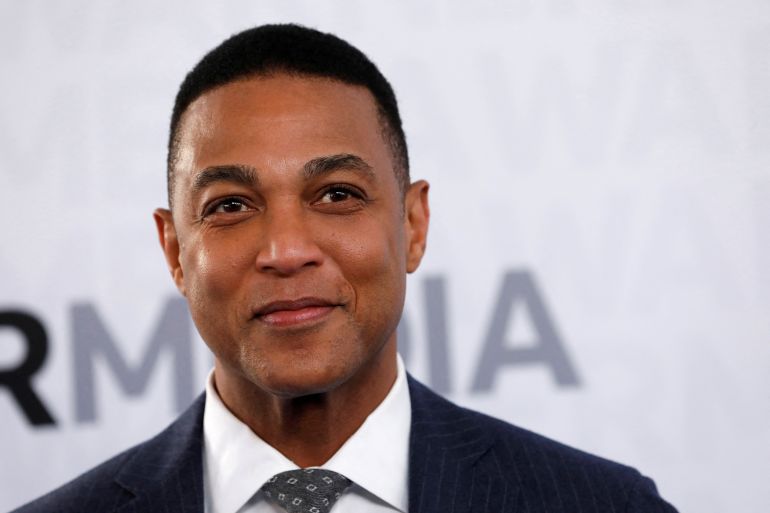
A federal grand jury has indicted former CNN anchor Don Lemon, independent journalist Georgia Fort, and others on charges of conspiracy and interfering with First Amendment rights following an anti-immigration enforcement protest that disrupted a church service in St. Paul, Minnesota. The indictments, stemming from a January 18 incident at the Cities Church, have ignited a fierce debate about press freedom, protest coverage, and the legal boundaries for journalists. This article examines the charges, the defendants' responses, and the broader implications for journalism and civil rights in a polarized political climate.
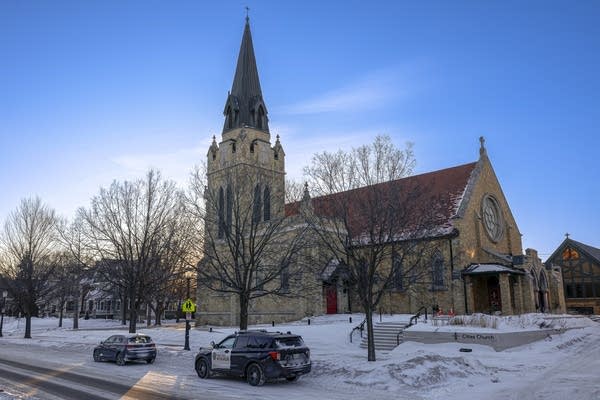
The intersection of journalism, protest, and legal accountability has been thrust into the national spotlight following federal indictments against prominent media figures. A grand jury in Minnesota has charged former CNN anchor Don Lemon, independent journalist Georgia Fort, and several protest participants with conspiracy and interfering with the constitutional rights of worshippers. The charges are connected to an anti-Immigration and Customs Enforcement (ICE) protest on January 18 that disrupted a service at the Cities Church in St. Paul, where a federal immigration official serves as a pastor. This case presents a complex legal and ethical puzzle, pitting the First Amendment rights of a free press and peaceful assembly against the rights of religious congregants.

The Charges and Legal Framework
The indictment, as detailed in court documents obtained by the Associated Press via PBS NewsHour, centers on two primary allegations. First, the defendants are charged with conspiracy, suggesting a coordinated plan to disrupt the church service. Second, and more critically, they face charges of interfering with the First Amendment rights of the congregants—specifically, their right to freely exercise their religion. This legal approach frames the church disruption not merely as a trespass or disturbance but as a federal civil rights violation. The use of such statutes in this context is notable and potentially sets a significant precedent for how similar protests are prosecuted in the future.
The Defendants and Their Responses
The arrests unfolded on both coasts, with Don Lemon taken into custody in Los Angeles and Georgia Fort, along with two protest participants, arrested in Minnesota. Following a court appearance in California, Lemon struck a defiant tone, telling reporters, "I will not be silenced." He framed his actions squarely within the role of a journalist, stating, "I have spent my entire career covering the news. I will not stop now... there is no more important time than right now, this very moment, for a free and independent media that shines a light on the truth and holds those in power accountable." His defense attorney, Marilyn Bednarski, has announced plans to plead not guilty and contest the charges in Minnesota. Lemon has publicly asserted that he was at the church as a solo journalist documenting the protest, with no affiliation to the organizing group.
Broader Context and Implications
This case emerges amid a highly charged national debate over immigration enforcement and the tactics of protest movements. The protest targeted the Cities Church due to the affiliation of a pastor with U.S. Immigration and Customs Enforcement (ICE), making it a symbolic action for activists. The decision by federal prosecutors to pursue civil rights charges against journalists covering the event has alarmed press freedom advocates. Critics argue it could have a chilling effect, deterring reporters from covering controversial protests for fear of legal entanglement. The case tests the limits of journalistic neutrality and raises difficult questions about where documentation ends and alleged participation begins in the eyes of the law.
Conclusion
The indictment of Don Lemon, Georgia Fort, and others represents a critical juncture for American civil liberties. As the case proceeds through the Minnesota federal court system, it will be closely watched by legal scholars, media organizations, and civil rights groups. The outcome could redefine the legal risks associated with protest journalism and establish new boundaries for the interaction between press freedom, religious liberty, and the right to protest. Regardless of the verdict, this case underscores the enduring tensions in a democracy where competing rights must constantly be balanced, and the role of the journalist in that process remains both vital and vulnerable.