Read on Global News
Trump Announces Reopening of Venezuelan Airspace, Signaling Diplomatic Shift
President Donald Trump announced on January 29, 2026, that he has instructed U.S. officials to reopen all commercial airspace over Venezuela, allowing American citizens to travel there 'very shortly.' This move follows a U.S. military raid that ousted former President Nicolás Maduro and represents a significant step toward restoring diplomatic relations, which collapsed in 2019. The State Department is also exploring the phased reopening of the U.S. Embassy in Caracas.
In a significant foreign policy announcement, President Donald Trump declared on Thursday, January 29, 2026, that he has directed U.S. authorities to reopen all commercial airspace over Venezuela. This directive marks a pivotal shift in U.S.-Venezuela relations, coming weeks after a U.S. military raid led to the ousting of former President Nicolás Maduro. The move signals the Trump administration's intent to normalize relations with the South American nation, potentially ending years of diplomatic estrangement and travel restrictions for American citizens.
The Presidential Directive and Immediate Implications
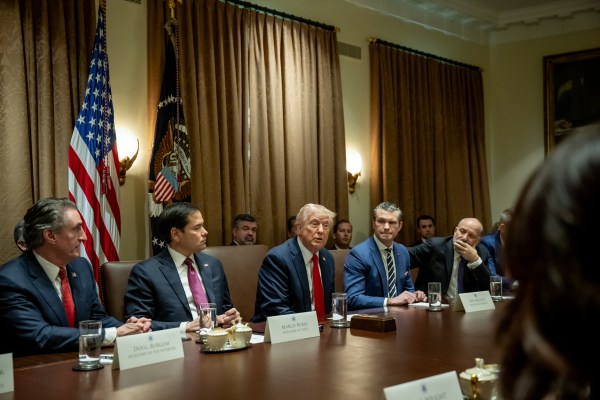
Speaking during a cabinet meeting at the White House, President Trump stated he had informed acting Venezuelan President Delcy Rodríguez of the decision. "American citizens will be very shortly able to go to Venezuela, and they’ll be safe there," the Republican president assured. He specified that he instructed U.S. Transportation Secretary Sean Duffy and U.S. military leaders to execute the order to open the airspace by the end of the day. The Venezuelan government did not immediately issue a public comment on the announcement, leaving some questions about the coordination between the two nations.
This announcement reverses a previous stance taken by the Trump administration. In November, as pressure on the Maduro regime intensified, Trump had declared the airspace "above and surrounding" Venezuela to be "closed in its entirety." Following that declaration, the U.S. Federal Aviation Administration (FAA) issued warnings to pilots about heightened military activity in the region, leading international airlines to cancel flights. The reopening order suggests a de-escalation of military tensions and a transition toward peacetime commercial operations.
Broader Diplomatic Context and Embassy Reopening
The airspace decision is part of a broader, phased approach by the U.S. State Department to restore diplomatic ties. Earlier in the week, the administration notified Congress of its intent to potentially reopen the shuttered U.S. Embassy in Caracas. In letters to ten House and Senate committees, the State Department outlined plans to send a growing contingent of temporary staff to conduct "select" diplomatic functions as a first step. This represents the most concrete action toward re-establishing a formal diplomatic presence since relations collapsed in 2019.
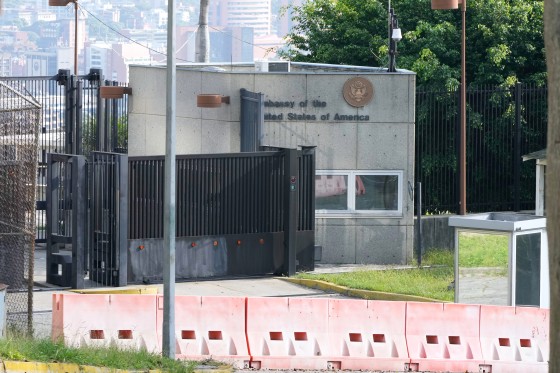
Diplomatic relations between the United States and Venezuela broke down completely in 2019. At that time, the State Department raised its travel advisory for Venezuela to the highest level, "Do not travel," citing risks of wrongful detention, kidnapping, and arbitrary arrest. As of Thursday, that severe travel warning remained officially in place, and the State Department did not immediately respond to inquiries about whether it would be revised following the president's announcement. This discrepancy highlights the complex and evolving nature of the policy shift.
Commercial Aviation Response and Future Travel
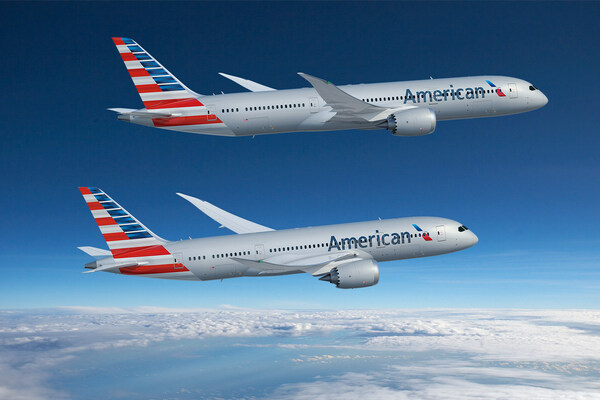
The commercial aviation industry responded swiftly to the news. American Airlines, which was the last U.S. carrier serving Venezuela when it suspended flights in March 2019, announced its intention to reinstate nonstop service. "We have a more than 30-year history connecting Venezolanos to the U.S., and we are ready to renew that incredible relationship," said Nat Pieper, American's chief commercial officer. The airline stated it would work with federal authorities on security assessments and permissions, with plans to share specific service details in the coming months.
The reopening of airspace is expected to facilitate family reunifications, tourism, and business commerce between the two countries. However, the process for American travelers will depend on the formal downgrading of the State Department's travel advisory and the establishment of adequate security protocols on the ground in Venezuela. The administration's assurance of safety will be tested as the first commercial flights resume operations into a country that has experienced significant political and economic instability.
Analysis of Strategic Motivations
This policy reversal appears strategically motivated. The decision follows the successful military raid that removed Nicolás Maduro from power, eliminating what the U.S. considered an illegitimate regime. By moving quickly to reopen airspace and the embassy, the Trump administration is likely seeking to consolidate the political transition in Venezuela, support the new acting government, and reassert U.S. influence in the region. It also opens the door for increased economic engagement, including the potential flow of Venezuelan oil resources, which Trump has previously referenced.
The phased, cautious approach—evident in the congressional notifications and the incremental embassy staffing—suggests an awareness of the remaining challenges. Venezuela's infrastructure, institutional stability, and security situation require careful assessment. The administration's actions indicate a desire to capitalize on a strategic victory while managing the risks associated with a nation recovering from prolonged crisis.
Conclusion and Path Forward
President Trump's order to reopen Venezuelan airspace is more than a logistical change; it is a powerful symbol of a renewed diplomatic relationship. It paves the way for people-to-people connections and economic activity after a long hiatus. The success of this initiative will hinge on effective coordination with Venezuelan authorities, the actual security environment for travelers, and the parallel process of fully re-establishing diplomatic missions. As American Airlines and other carriers prepare their return, the world will be watching to see if this announcement marks the beginning of a stable and productive new chapter in U.S.-Venezuela relations, or if significant obstacles remain. The coming months will be critical in translating this presidential directive into safe and sustainable normalcy.