A Simple Blood Test Could Spot Parkinson's Disease Years Before Symptoms
A groundbreaking study from Chalmers University of Technology and Oslo University Hospital reveals a promising method to detect Parkinson's disease years or even decades before debilitating symptoms appear. By identifying unique biological markers in the blood related to cellular stress and DNA repair mechanisms, researchers have discovered a critical early window for diagnosis. This research could lead to widespread blood-based screening within five years, potentially revolutionizing early intervention and treatment strategies for a disease affecting over 10 million people worldwide.
Parkinson's disease, a progressive neurological disorder affecting millions globally, has long presented a diagnostic challenge: by the time characteristic movement symptoms appear, significant and often irreversible brain damage has already occurred. However, a recent breakthrough from Swedish and Norwegian researchers offers new hope for early detection. Scientists have identified subtle biological signals in the blood that appear during Parkinson's earliest phase, potentially allowing diagnosis years—or even decades—before the disease's most damaging effects take hold.
The Critical Early Window for Parkinson's Detection
Parkinson's disease develops insidiously over many years. Research indicates that the early, or prodromal, phase can last up to two decades before motor symptoms like tremors, rigidity, and slow movement become apparent. During this prolonged period, up to 80% of the brain's dopamine-producing cells—crucial for movement control—can be damaged or lost. The recent study, published in npj Parkinson's Disease, focused on this critical window, seeking biological footprints the disease leaves behind before widespread neurological decline.
The international team, led by researchers from Chalmers University of Technology in Sweden and Oslo University Hospital in Norway, investigated two fundamental cellular processes believed to be active in early Parkinson's: DNA damage repair and the cellular stress response. These mechanisms represent the body's frontline defense against cellular deterioration, and their unique activity pattern in early-stage patients became the key to the discovery.
Unveiling the Biomarker Signature
Using advanced machine learning and analytical techniques, the researchers examined gene activity patterns in blood samples. They discovered a distinct signature related to DNA repair and stress response that was present only in individuals in the early, prodromal phase of Parkinson's disease. This pattern was absent in both healthy control subjects and in patients who had already developed the classic motor symptoms of the disease.
"This means that we have found an important window of opportunity in which the disease can be detected before motor symptoms caused by nerve damage in the brain appear," explains Annikka Polster, Assistant Professor at Chalmers and the study's lead researcher. The transient nature of this signature—it disappears as the disease progresses—makes it not only a powerful diagnostic tool but also a compelling target for understanding the disease's initial biological mechanisms.

Why a Blood Test Represents a Paradigm Shift
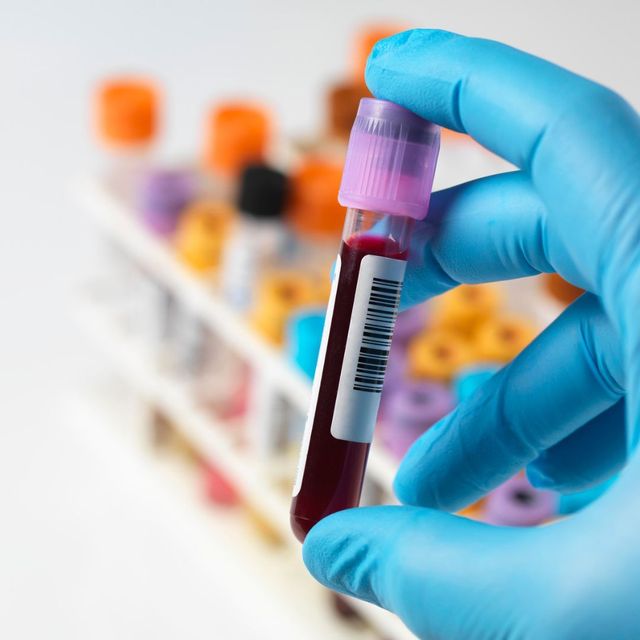
While scientists have pursued various methods for early Parkinson's detection, including brain imaging and cerebrospinal fluid analysis, these approaches have limitations for widespread screening. They can be invasive, expensive, or inaccessible. A blood test, by contrast, is minimally invasive, cost-effective, and easily integrated into routine healthcare. "This paves the way for broad screening tests via blood samples," says Polster, highlighting the method's potential for population-level impact.
The global need for such a tool is urgent. Parkinson's is the world's second most common neurodegenerative disease after Alzheimer's, affecting over 10 million people. With aging populations, this number is projected to more than double by 2050. An accessible early diagnostic test could transform patient care, enabling interventions at a stage when the brain is still largely intact and therapeutic strategies might be most effective.
The Path Forward: From Discovery to Clinic
The research team estimates that blood tests based on this biomarker signature could begin clinical testing in healthcare settings within five years. The next phase of work involves deepening the understanding of the underlying biological mechanisms and refining the detection technology for clinical use.
Beyond diagnosis, this discovery opens doors for novel treatment strategies. By studying these early-active mechanisms, researchers can identify targets for new drugs or explore drug repurposing—using existing medications developed for other conditions that affect similar biological pathways. "If we can study the mechanisms as they happen, it could provide important keys to understanding how they can be stopped," Polster notes, suggesting a future where Parkinson's progression could be slowed or even prevented.

Conclusion: A New Era in Neurodegenerative Disease Management
The identification of a blood-based biomarker for early Parkinson's disease represents a significant leap forward in neurology. It shifts the diagnostic paradigm from reactive symptom management to proactive, pre-symptomatic detection. This approach aligns with a growing trend in medicine toward early intervention, particularly for conditions with long prodromal phases.
For the millions living with or at risk for Parkinson's, this research offers tangible hope. A simple blood test could one day provide an early warning, allowing individuals and their doctors to plan, monitor, and potentially intervene with emerging therapies long before the disease robs them of mobility and independence. As this technology moves from the laboratory toward the clinic, it promises to redefine our approach to one of the most challenging neurodegenerative disorders of our time.