Read on PBS News
House Passes Ukraine Aid Bill, Sanctions Russia in Bipartisan Rebuke of Trump Policy
The U.S. House of Representatives passed legislation providing over $1 billion in security and reconstruction aid for Ukraine and imposing new sanctions on Russia. The 226-195 vote represents a significant foreign policy break with President Donald Trump's approach to the war, marking the second such rebuke by the House this week. The bill, sponsored by Rep. Gregory Meeks, also makes $8 billion available in loans for Ukraine's defense. Supporters bypassed Republican leadership using a discharge petition, a rare legislative tool that succeeded in forcing the vote. While the bill faces an uncertain future in the Senate, its passage sends a strong signal of continued Congressional support for Ukraine amid stalled peace efforts.
The U.S. House of Representatives voted decisively on Thursday to pass legislation that would provide more than $1 billion in security and reconstruction aid to Ukraine and impose new sanctions on key sectors of the Russian economy. The 226-195 vote is a clear sign of deepening impatience with President Donald Trump's approach to the war and represents the House's second major foreign policy break with the administration this week. The day before, the House had approved a war powers resolution aimed at halting U.S. military action against Iran.
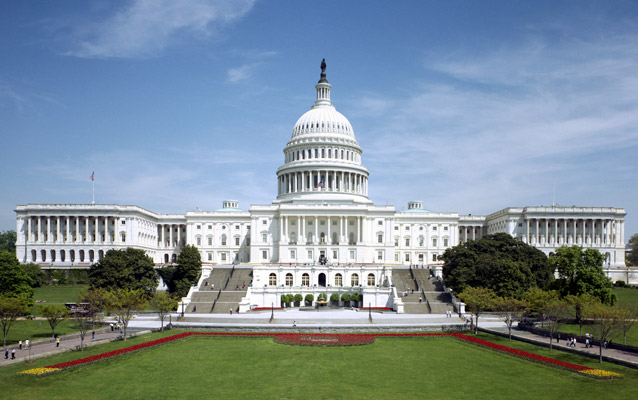
The bill, sponsored by Rep. Gregory Meeks of New York, seeks to cement U.S. assistance for Ukraine by making another $8 billion available for Ukraine's defense through loans, in addition to the direct aid. Supporters were able to force action on the bill by gathering 218 signatures on a discharge petition, a legislative tool that allows a majority of the House to effectively bypass leadership. Once rarely successful, this tool has been used this Congress to pass bills on releasing government files related to Jeffrey Epstein and to extend health care subsidies under the Affordable Care Act.
Congressional Debate and Motivations
The question before the House was simple, according to Meeks: "Would it help Ukraine negotiate from a position of strength or help Russia outlast American resolve?" He added, "We all want this war to end. The question is how. Will we abandon Ukraine and force it into a terrible deal? That is what Vladimir Putin is counting on. Or will this body live up to the commitments we've made since the start of this war?" The vast majority of Republicans opposed the measure. Rep. French Hill, chairman of the House Financial Services Committee, argued the bill was a flawed, outdated measure that would cut funding for Ukraine compared to what Congress had agreed to in the defense policy bill. Rep. Brian Mast, chairman of the House Committee on Foreign Affairs, called the bill "a cudgel to fight against President Trump." Despite this, Rep. Don Bacon of Nebraska broke with most Republicans, stating, "Are we going to stand with good or are we going to stand with evil? That's what this is about tonight."
Path Forward and Senate Prospects
Lawmakers are hopeful that the House's passage will pressure the Senate to act. Rep. Brian Fitzpatrick of Pennsylvania noted, "It's probably not going to get 60 votes in the Senate, but it's going to hopefully force the Senate to address the issue. It's going to send a great message to the soldiers of Ukraine." He added that the vote would send a message to Russian President Vladimir Putin that the U.S. still cares about Ukraine and will use its authority to help. Action in the Senate has revolved around a separate bill that would impose sweeping tariffs and secondary sanctions on countries that purchase Russia's oil, gas, and other exports, but that bill has languished. The original PBS News report provides further details on the legislative maneuvering.
The U.S. has approved approximately $195 billion for the Ukraine response since the start of the conflict, with roughly a quarter going to replenish U.S. weapons stockpiles. The last major legislation passed in April 2024. The war, now more than four years old, shows no signs of ending, with both sides recently launching long-range missile strikes. U.S.-led peace efforts have stalled over key differences, and after Ukrainian President Volodymyr Zelenskyy accepted an unconditional ceasefire demanded by Trump, Putin refused.