Read on France 24
Israel and Lebanon Agree to Renew Fragile Ceasefire, Creating Security Zones
Israel and Lebanon have agreed to renew their fragile ceasefire and establish pilot security zones in southern Lebanon to ban Hezbollah militants, following US-mediated talks. However, Hezbollah has rejected the agreement, demanding a complete Israeli withdrawal, and Israeli strikes continue to cause casualties. The deal, contingent on a cessation of Hezbollah fire and evacuation of operatives south of the Litani River, represents what the Lebanese president calls a "last chance" for a comprehensive truce.
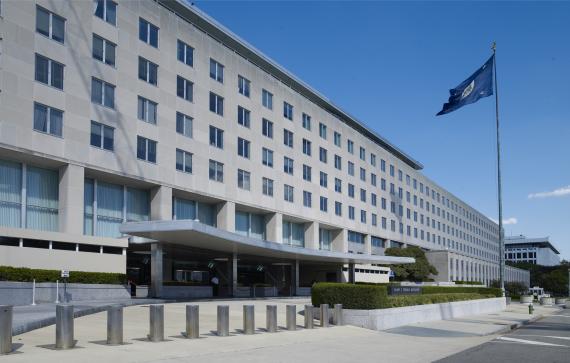
In a significant diplomatic development, Israel and Lebanon have agreed to renew their fragile ceasefire and create several "pilot" security zones inside Lebanon from which Hezbollah militants would be banned. The agreement, announced in a joint statement after a fourth round of US-mediated talks at the State Department, underscores the precarious state of peace in the region.
The ceasefire "is contingent on a complete cessation of Hezbollah fire and the evacuation of all Hezbollah operatives" from areas south of the Litani River, according to the joint statement. This condition is central to the agreement, aiming to establish a buffer zone that would prevent militant activities near the Israeli border.
Key Details of the Agreement
Lebanese President Joseph Aoun described the agreement as the "last chance" to reach a comprehensive truce. He stated that the results of the fourth round of negotiations included "very important points in Lebanon's favour" and that each party bears responsibility if it fails to respond positively. Aoun also noted that Lebanon would inform the United States of its position as soon as responses are received from concerned internal parties, particularly Hezbollah. The US will determine the ceasefire's start date, and President Donald Trump will be the direct guarantor of its implementation.

Hezbollah's Rejection
Despite the agreement between the Lebanese and Israeli governments, Hezbollah has rejected the ceasefire plan. Hezbollah leader Naim Qassem, in a written statement read on TV, said the agreement's demand that Hezbollah fighters leave southern Lebanon under fire would mean "surrender, defeat and achieving the enemy's goals." He emphasized that Hezbollah did not make any commitment to any party to stop resisting as long as there is occupation. Qassem also warned that northern Israel would not be safe as long as Lebanese villages are being bombed and people are killed.
Continued Violence
The announcement of the ceasefire has not immediately halted military operations. Israeli strikes in eastern Lebanon and near the southern city of Tyre have killed at least eight people, according to the Lebanese health ministry. The Israeli military also reported that a soldier was killed in southern Lebanon, the first fatality since the ceasefire plan was announced. A UN peacekeeper from UNIFIL was also killed by mortar fire, prompting condemnation from UN Secretary-General Antonio Guterres, who urged all actors to respect the cessation of hostilities.
International Reactions
French President Emmanuel Macron expressed France's support for the ceasefire, stating that France is available to help restore peace and fully establish Lebanon's sovereignty and territorial integrity. A coordination mechanism involving the United States and France has been put in place to follow up and verify the ceasefire's implementation. Meanwhile, Israeli Defence Minister Israel Katz said that Israel will continue to strike Lebanon for the time being and will not withdraw from the south.
The situation remains highly volatile, with the ceasefire's success hinging on Hezbollah's compliance and the ability of the US and France to mediate effectively. The coming days will be critical in determining whether this ceasefire can hold and pave the way for a more comprehensive peace in the region.