Read on PBS News
The Legacy of Elijah McClain: A Case That Echoed a National Reckoning
The 2019 death of Elijah McClain, a 23-year-old Black man in Aurora, Colorado, became a pivotal moment in the national conversation on social justice and police reform. His final words, "I can't breathe," tragically foreshadowed those of George Floyd, propelling his name into the rallying cries of 2020's protests. This article examines the circumstances of McClain's death, the subsequent legal battles involving police and paramedics, and the lasting impact on public discourse about accountability, racial justice, and medical practices in law enforcement encounters.
The name Elijah McClain became a rallying cry for social justice after his tragic death in Aurora, Colorado, in 2019. A 23-year-old Black massage therapist walking home from a convenience store, McClain was stopped by police responding to a suspicious person report. The encounter escalated, resulting in him being forcibly restrained, placed in a neck hold, and injected with a fatal dose of ketamine by paramedics. His final words, "I can't breathe," eerily foreshadowed those of George Floyd a year later, linking his case to a broader national reckoning.
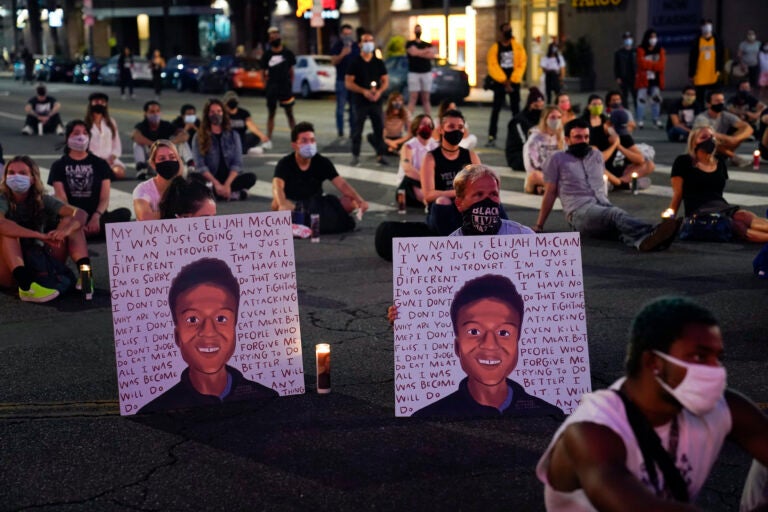
The Incident and Initial Legal Response
Police stopped McClain based on a vague suspicious person complaint. Body camera footage later showed officers quickly using force, including a carotid hold, which restricts blood flow to the brain. When paramedics arrived, they assessed McClain and diagnosed him with "excited delirium," a disputed condition that some medical experts consider unscientific. Based on this diagnosis, paramedics Jeremy Cooper and Peter Cichuniec administered 500 milligrams of ketamine, a powerful sedative. McClain went into cardiac arrest and died days later.
Local prosecutors initially declined to bring charges, largely because an initial autopsy was inconclusive on the cause of death. This lack of accountability sparked frustration within the community, but it was not until the national protests following George Floyd's death that the case received renewed scrutiny from Colorado's governor, Jared Polis, who directed the attorney general to reinvestigate.
Legal Proceedings and Convictions
The reinvestigation led to a grand jury indictment of two paramedics and three police officers. A key piece of evidence was a revised autopsy by Dr. Stephen Cina, who changed his initial findings after reviewing body camera footage, concluding that the ketamine was the direct cause of death. In 2023, a jury found paramedics Cooper and Cichuniec guilty of criminally negligent homicide. Additionally, Cichuniec was found guilty of second-degree felony assault. He was initially sentenced to five years in prison, while Cooper received 14 months in jail with work release. An Aurora police officer was also convicted of homicide and third-degree assault, while two other officers were acquitted.
However, in June 2026, a Colorado appeals court reversed the homicide convictions for both paramedics, ordering new trials. The court found fault with the jury instructions regarding the criminally negligent homicide charge. The state attorney general, Phil Weiser, announced he would appeal the decision, stating, "Bringing these cases to trial was the right thing to do for justice, for Elijah McClain, and for healing in the Aurora community." The appeals court did uphold Cichuniec's assault conviction.

Impact on First Responders and Medical Protocols
The case sent shockwaves through the ranks of first responders across the U.S. Criminal charges against paramedics involved in police custody cases are rare, and this prosecution raised significant questions about the use of ketamine to subdue struggling suspects. Paramedics in Aurora had been trained to use the drug for excited delirium since 2018, but state officials have since instructed paramedics to stop using that condition as a basis for administering ketamine.
The International Association of Fire Fighters supported the paramedics, arguing that the ruling recognized "the challenges paramedics face when making split-second medical decisions in rapidly evolving situations." Criminologists have noted that the case could influence the behavior of first responders, potentially making them think twice when on similar calls. The case underscores the difficult balance between swift medical intervention and protecting the rights and safety of individuals in police custody.
Broader Social and Legal Implications
The city of Aurora settled a federal civil rights lawsuit brought by McClain's parents for $15 million in 2021. Activist MiDian Shofner, who befriended McClain's mother, described the appellate ruling as "one of the most divisive judicial decisions our state has experienced in recent memory," questioning what accountability truly means when a Black life is taken under shocking circumstances. The case has become a central touchstone in the broader movement for police and criminal justice reform, highlighting issues of racial bias, use of force, and medical ethics.
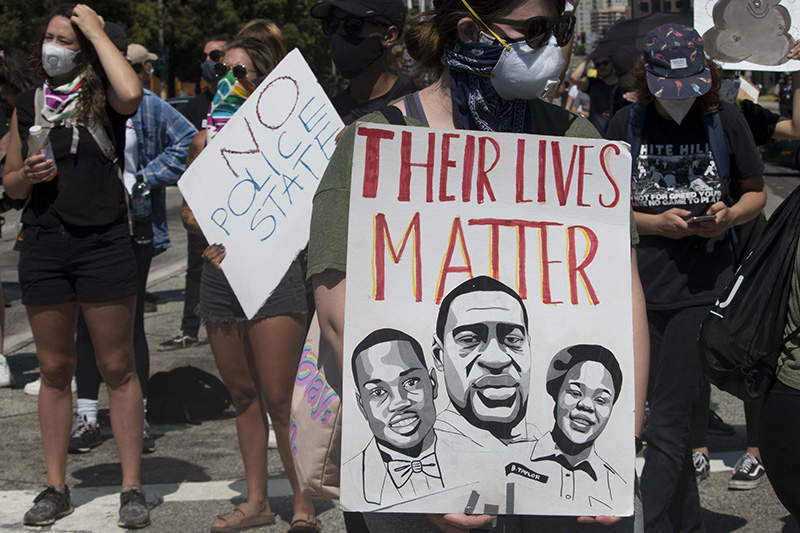
The legacy of Elijah McClain is a complex and painful chapter in America's ongoing struggle with racial justice. While the legal process continues to unfold, his name remains a symbol of the urgent need for accountability, transparency, and systemic change. The case has prompted critical conversations about the intersection of policing and medicine, and the profound consequences of medical diagnoses that can be used to justify excessive force. As the appeals process continues, the nation watches to see how this case will ultimately define the boundaries of responsibility and justice.