 Read on cbsnews.com
Surviving the Unthinkable: A Family's Journey Through Terror and Healing After a Christmas Home Invasion
Three days before Christmas in 1990, what began as a peaceful family retreat to a remote Utah cabin turned into a nightmare of unimaginable violence. Sisters Linae and Trish Tiede survived a brutal home invasion that claimed the lives of their mother and grandmother and left their father critically wounded. This is their story of survival, trauma, and eventual healing—a testament to human resilience in the face of evil. Through their first extended television interview, they share how they navigated grief, found justice, and ultimately rebuilt their lives, transforming their family's cabin from a crime scene back into a place of healing and connection.
For the Tiede family, their remote cabin in Oakley, Utah, was known as "Tiede's Tranquility"—a serene escape from the world where the sound of the river and the sight of horses in the pasture created heaven on earth. But in the winter of 1990, three days before Christmas, that tranquility was shattered by an act of pure malice. Two sisters, Linae (20) and Trish (16), embarked on a family trip that would plunge them into a harrowing ordeal of survival, witnessing the murder of their loved ones, being kidnapped at gunpoint, and ultimately finding a path to healing that would span decades. Their story, detailed in their first extended television interview, offers profound insights into trauma, justice, forgiveness, and the unbreakable bonds of family.

The Nightmare Unfolds: A Peaceful Retreat Turns to Terror
The attack was meticulously planned. The perpetrators, Von Taylor and Edward Deli, were recently released convicts who had hitchhiked to the area, robbed several cabins, and specifically targeted the Tiede family. They had been inside the cabin for some time, eating food and even opening Christmas presents, waiting for the family to return. When Linae, her mother Kaye, and grandmother Beth arrived first, they were met with immediate violence. Linae saw a "gray flash" behind the refrigerator, which turned out to be Taylor pointing a pistol at her. Moments later, Deli emerged from a back bedroom, pointing a gun at her mother.
Despite Kaye Tiede's pleas—"What is it you want? Why are you here? I'll give you anything"—gunfire erupted. Linae watched her mother fall and saw her grandmother shot in the head. Believing them both dead, her immediate terror shifted to her father and sister, who were arriving on snowmobiles. The men poured gasoline throughout the cabin and set it ablaze to destroy evidence. When Rolf Tiede and Trish arrived, they were forced inside at gunpoint. In a moment of chilling cruelty, Taylor attempted to shoot Rolf. When his gun misfired twice, he pulled the trigger a third time. The blast was so close Trish could feel it. Believing her father was also dead, the two sisters were then forced to drive the assailants out on snowmobiles.

A Desperate Escape and Miraculous Rescue
Driven into the mountains with their captors, the sisters felt completely vulnerable. "There was no one to help us. There was nowhere to go," Trish recalled. They passed their uncle, Randy Zorn, who initially waved, thinking they had boyfriends on the snowmobiles. Recognizing the danger he was in, the sisters pretended not to know him. The assailants loaded the sisters into the family car at the trailhead and began a frantic drive. Meanwhile, Rolf Tiede, who had miraculously survived being shot and doused with gasoline—even having to tear off his burning snowsuit in the shower—managed to get on a snowmobile and race down the mountain to get help, despite severe blood loss and impaired vision.
Randy Zorn found his brother, Rolf, bloodied and near death, and learned the horrific truth. With sporadic cell service, he managed to call 911 and follow the kidnappers' car. A police chase ensued, ending when the car crashed down an embankment. Trish remembers looking up to see "the entire road above us ... full of people in common clothes drawin' down with pistols and shotguns and rifles." The sisters, hands clasped, ducked and prayed as law enforcement secured the scene. The assailants, described by lead investigator Joe Offert as "cowards" who functioned only through control and fear, surrendered once that control was lost.
The Aftermath: Grief, Justice, and an Uneasy Verdict
The crime scene was devastating. Patrol Deputy Brad Wilde described it as looking "like a mini-war zone," with bullet holes in the walls, a large pool of blood, and two deceased victims. A crucial piece of evidence was a video camera left behind, which contained footage not of family memories, but of the two suspects opening the family's Christmas gifts—a heartless act that underscored their malice. The emotional toll was immediate and deep. A double funeral was held for Kaye and Beth. Trish was haunted by the memory of turning away from a hug with her mother after a silly argument that morning—the last time she saw her alive.
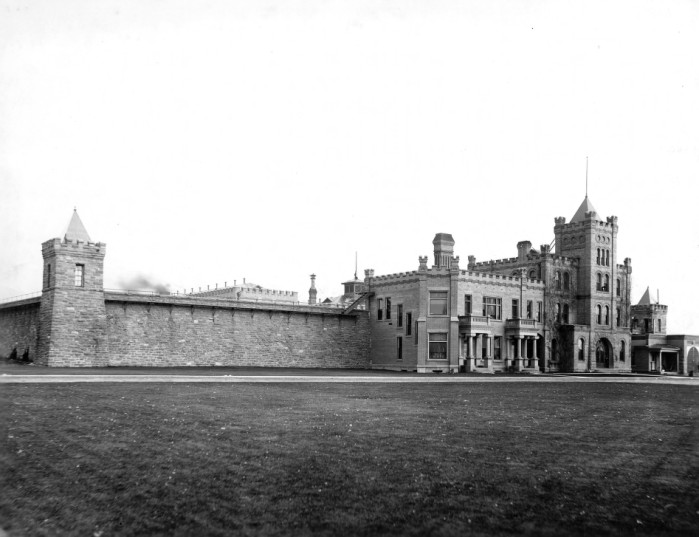
The pursuit of justice was complex. Both men had prison records; Taylor for aggravated burglary and Deli for arson. Von Taylor pleaded guilty to two counts of capital murder five months after the crime and was sentenced to death by a jury. Linae felt relief, believing justice had been served for an "evil man" who showed zero remorse. Edward Deli's trial was more difficult. The sisters, particularly Linae, felt burdened by the prosecution's need for minute details. Deli's defense argued he didn't do the shooting. A key moment came when Rolf Tiede, the "ace in the hole" survivor, walked into the courtroom. "The look on [Deli's] face was just priceless like he had been defeated," Trish recalled. Despite this, Deli was convicted of the lesser charge of second-degree murder and sentenced to life imprisonment, a verdict that left the family feeling an injustice had been done.
The Long Road to Healing and Forgiveness
For years, the sisters navigated profound trauma in silence. Trish spent "a good 10 years hiding that pain," while Linae struggled with fear of abandonment and love. A turning point came nearly a decade after the crime when Linae received a letter from Edward Deli. After years of contemplation, she chose to respond and, eventually, to forgive him. "I believe that I gained my freedom back for myself by choosing to forgive Deli," she explained. "For me, forgiving does not mean forgetting." She maintains he belongs in prison but found tremendous personal relief in releasing her burden of anger.
Healing was also found in rebuilding. The family cabin, burned in the attack, was reconstructed. "We went and rebuilt it and made it even better than it was before," Linae said. The cabin became a symbol of resilience—a place where the family could bond, play, and relax again. "They are not gonna take away from us the things that we love," Trish stated. Both sisters built families of their own, finding love and purpose. When their father, Rolf, later battled cancer, his final weeks brought the family together in a powerful way. He passed away peacefully, with his daughters by his side, his spirit a continued source of strength for them.
Conclusion: A Story of Survival That Defines but Does Not Destroy
The story of Linae and Trish Tiede is ultimately one of profound human strength. They endured a trauma few can imagine, navigated a complex legal system, and carried the weight of grief for decades. Yet, they emerged not defined by the violence, but shaped by their response to it. They chose to rebuild their sanctuary, to build loving families, and to find a form of forgiveness that served their own peace. Their bond as sisters, forged in that shared nightmare, remains unbreakable. As Trish reflects, "What we experienced together...created a bond that obviously couldn't have with anyone else." Their journey from terror to tranquility stands as a powerful reminder that even in the aftermath of hell, a path back to healing, connection, and life is possible.