Read on France 24
Saudi Arabia's Military Stance in Yemen: Backing the Government Against Separatist Advances
In a significant escalation of tensions, Saudi Arabia has declared its support for Yemen's internationally recognized government against separatist forces. The statement, issued on December 27, 2025, follows reported Saudi airstrikes in Hadramawt province and comes as UAE-backed separatists from the Southern Transitional Council (STC) have seized large territories. This development threatens to further complicate the fragile political landscape in Yemen and strain relations between Gulf allies Saudi Arabia and the UAE, with the United States calling for restraint and diplomacy.
The conflict in Yemen has entered a new phase of complexity with Saudi Arabia's explicit declaration of military support for the Sanaa-based government against separatist advances. This move, announced on December 27, 2025, represents a significant escalation in the long-running conflict and highlights the shifting alliances and power struggles within the region. The statement came just one day after reported Saudi airstrikes targeted positions of the Southern Transitional Council (STC) in Yemen's Hadramawt province, signaling a more direct Saudi intervention against forces backed by its regional ally, the United Arab Emirates.
The Saudi Declaration and Immediate Context
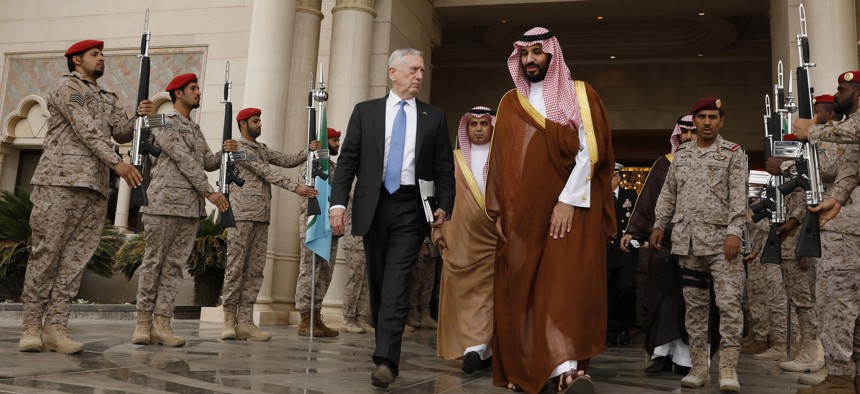
In a statement carried by the official Saudi Press Agency (SPA), General Turki al-Malki, spokesman for the Riyadh-led coalition, declared that Saudi Arabia would act "directly and at the appropriate moment ... to protect civilian life" in support of Yemen's government. This commitment represents a clear warning to the STC separatists who have recently made substantial territorial gains in southern Yemen. The timing of this declaration is particularly significant as it follows what separatists described as two Saudi airstrikes on their positions in Hadramawt province on December 26, 2025.
The Saudi Defense Minister, Khalid bin Salman, reinforced this position on social media platform X, calling on STC forces to "peacefully hand over" control of Hadramawt and Mahrah provinces to the Yemeni government. "It's time," he posted, "at this sensitive moment, to let reason prevail by withdrawing from the two provinces and doing so peacefully." This public demand underscores Saudi Arabia's growing concern about the separatists' territorial expansion and its implications for regional stability.
The Southern Transitional Council's Territorial Gains
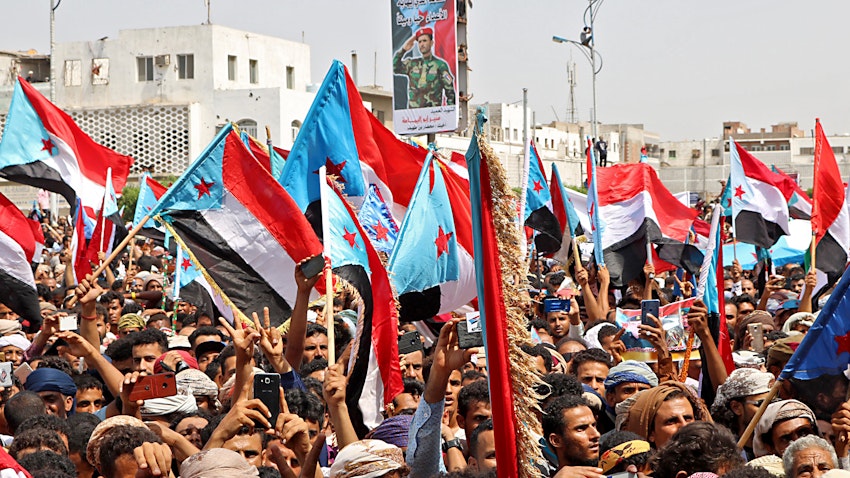
The Southern Transitional Council, backed by the United Arab Emirates, has achieved significant military successes in recent weeks, seizing large portions of Yemen's Hadramawt and Mahrah provinces. These territories represent some of Yemen's largest and most strategically important regions, giving the separatists control over substantial territory and resources. According to reports from France 24, UAE-trained fighters affiliated with the STC have captured a broad swath of Yemeni territory, creating what experts describe as an embarrassing situation for regional heavyweight Saudi Arabia.
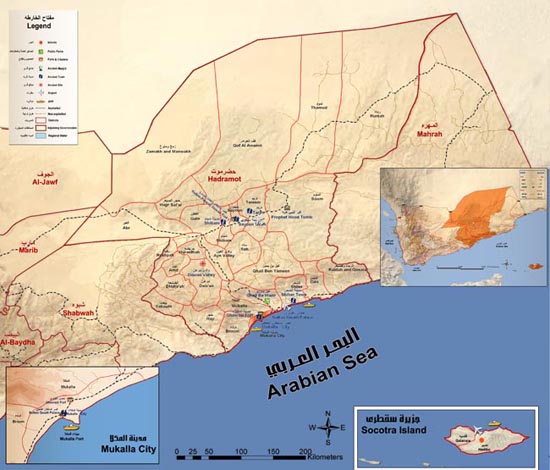
Farea al-Muslimi, a researcher at the Chatham House think tank in London, noted that the STC had crossed Riyadh's "red lines" with their public territorial gains. "It is one bad thing to humiliate Saudi Arabia. And it is another much worse thing to humiliate Saudi Arabia publicly. And that's exactly what they did," he observed. This public challenge to Saudi authority represents a significant shift in the dynamics of the Yemen conflict, which has traditionally seen Saudi Arabia and the UAE presenting a united front against the Iran-backed Houthi rebels.
Regional Implications and International Response
The escalating tensions between Saudi-backed government forces and UAE-backed separatists have placed strain on the relationship between these two Gulf allies. Both nations have historically cooperated within the coalition fighting the Houthi rebels, but their support for different factions within the anti-Houthi alliance has created increasing friction. The Yemeni government itself represents a fragile coalition of various groups, including the separatists, united primarily by their opposition to the Houthis who seized control of Sanaa in 2014 and now control much of northern Yemen.
Internationally, the United States has called for restraint amid the escalating conflict. US Secretary of State Marco Rubio stated, "We urge restraint and continued diplomacy, with a view to reaching a lasting solution." This call for diplomacy reflects international concern that the conflict between government and separatist forces could further destabilize Yemen and complicate efforts to reach a comprehensive peace agreement. The Yemeni government has formally requested that the Saudi-led coalition "take all necessary military measures to protect innocent Yemeni civilians in Hadramawt province and support the armed forces," according to the official Yemeni news agency.
Military Dynamics and Future Prospects
Military developments on the ground suggest preparations for potential escalation. A Yemeni military official reported that approximately 15,000 Saudi-backed fighters had been amassed near the Saudi border, though they had not yet received orders to advance on separatist-held territory. These forces are positioned at the edges of the territory recently seized by the STC, creating a tense standoff situation. The official, speaking anonymously due to the sensitivity of the matter, stated, "We have not received military instructions to move towards the two provinces."
The STC responded defiantly to the Saudi airstrikes and declarations, warning that they remained undeterred. Following the strikes, which reportedly caused no immediate casualties, the UAE issued a statement welcoming Saudi efforts to support security in Yemen, suggesting an attempt to present a united diplomatic front despite the underlying tensions. This diplomatic maneuvering highlights the complex balancing act both Gulf states must maintain as they navigate their competing interests in Yemen.

Conclusion: A Fragile Balance in Yemen's Conflict
Saudi Arabia's declaration of support for Yemen's government against separatist forces represents a significant development in the country's complex conflict landscape. The territorial gains by UAE-backed separatists have challenged Saudi influence and created new fault lines within the anti-Houthi coalition. As both regional powers attempt to balance their competing interests with maintaining their strategic alliance, the situation in Yemen remains precarious. The international call for restraint and diplomacy underscores the global concern that further escalation could undermine years of peace efforts and humanitarian assistance. The coming weeks will be critical in determining whether Saudi Arabia and the UAE can reconcile their differences or whether Yemen will face yet another front in its multi-layered conflict.