Read on the Guardian
Death of Congolese Man Renews Scrutiny of Race Relations in Ireland
The death of Yves Sakila, a 35-year-old Congolese man who died after being restrained by security guards on a Dublin street, has prompted an outcry in Ireland and comparisons to the death of George Floyd. Irish authorities have agreed to a second, independent postmortem as the police investigation continues. The incident has intensified scrutiny on race relations in the country, set against a backdrop of political debate over immigration and asylum seekers.
The death of Yves Sakila, a 35-year-old Congolese man, after being restrained by security guards in Dublin city centre has reignited a painful debate about race relations in Ireland. The incident, which occurred in broad daylight on 15 May 2026, has drawn comparisons to the murder of George Floyd in the United States and prompted protests, vigils, and an independent investigation.
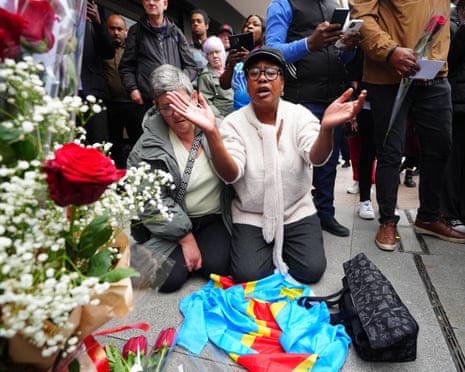
Sakila, who had lived in Ireland since 2004, was allegedly pursued by security guards from the Arnotts department store after reportedly stealing a bottle of perfume. The guards detained him on Henry Street for approximately five minutes until police arrived, at which point he was found to be unresponsive. Footage of the restraint, which appears to show a guard kneeling on Sakila's neck, was widely shared on social media, sparking immediate public outrage.
Irish authorities have responded by agreeing to a second, independent postmortem, to be conducted by Dr. David Rouse, a pathologist with Forensic Healthcare Services in Essex, England. The first postmortem was reportedly inconclusive. The police force, An Garda Síochána, is actively investigating the incident, and the family’s solicitor, John Gerard Cullen, has submitted 41 questions to the gardaí.

The case has drawn significant international attention, including from the Democratic Republic of the Congo (DRC). Thérèse Kayikwamba Wagner, the DRC's foreign minister, visited Dublin to meet with Sakila's family and Irish officials, including President Catherine Connolly, Justice Minister Jim O'Callaghan, and Foreign Minister Helen McEntee. She described the family as traumatised and called for a thorough investigation, stating the need to understand "how such a demonstration of excessive force could happen in broad daylight."
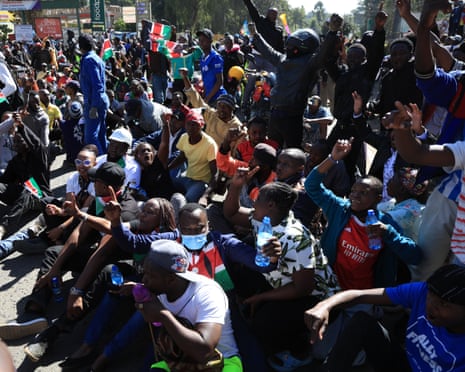
This tragedy has sharply sharpened scrutiny on race relations within Ireland. The country, like many others in Europe, is grappling with the social and political challenges posed by increased immigration. Placards at vigils for Sakila have invoked the Black Lives Matter movement, drawing a direct line to the death of George Floyd. The incident also comes in the wake of controversial remarks from former Taoiseach Bertie Ahern, secretly recorded before Sakila's death, in which he voiced concerns about African immigration.
The death of Yves Sakila stands as a tragic flashpoint, forcing a broader and necessary conversation about systemic racism, policing, and the treatment of minorities in modern Ireland. As the second postmortem takes place, the call from activists and the family is clear: for transparency, accountability, and a meaningful reckoning with the nation's own racial dynamics. The coming weeks will be critical in determining whether this moment leads to lasting change or is, as the DRC's foreign minister feared, a brief news cycle.