Raising Awareness: Mexico's Disappearance Crisis Ahead of the 2026 World Cup
As the 2026 FIFA World Cup approaches, activists in Mexico are using a powerful visual campaign to draw global attention to the country's ongoing disappearance crisis. By plastering missing persons posters around football stadiums, they aim to turn the international spotlight on the over 133,000 individuals who are unaccounted for. This article explores the context of the campaign, the scale of the crisis, and the significance of leveraging a global sporting event for social advocacy. The initiative underscores a desperate plea for justice and action from both national authorities and the international community.
With the global spotlight set to shine on Mexico as a host nation for the 2026 FIFA World Cup, a group of activists has initiated a poignant and urgent campaign. These individuals are distributing missing persons posters around major football stadiums, turning venues of celebration into platforms for protest and remembrance. Their goal is to ensure that the world does not ignore the nation's profound humanitarian crisis: the disappearance of tens of thousands of people.

The campaign comes at a critical time. According to official government data, Mexico currently has nearly 134,000 people officially listed as missing. This staggering figure represents years of violence linked to organized crime, drug cartels, and state corruption, leaving countless families in a state of perpetual anguish. The activists are not simply asking for awareness; they are demanding accountability and a systematic effort to locate the disappeared.
The Strategy: Using the World Cup as a Megaphone
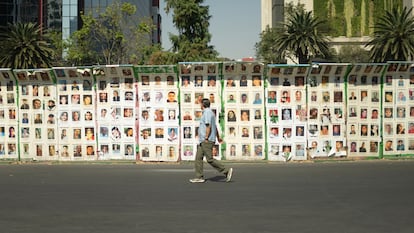
The choice of the World Cup as a backdrop is deliberate and strategic. The event draws hundreds of thousands of international visitors and billions of television viewers worldwide. By placing posters in and around stadiums, activists ensure that the images and stories of the missing are unavoidable for both local attendees and global media. This method transforms a festive occasion into a moment of reflection and urgency.
The posters feature photographs, names, dates of disappearance, and contact information for authorities. They serve as both a memorial and a call to action. The campaign leverages the high visibility of the event to pressure the Mexican government to address the crisis more aggressively, especially under international scrutiny. Activists hope that the shock and scale of the display will spur foreign governments and human rights organizations to apply diplomatic pressure.
The Scale of the Crisis
The official figure of 133,960 missing persons is a stark indicator of a systemic problem. However, many advocacy groups believe the actual number is far higher, as many disappearances go unreported due to fear, corruption, or lack of access to authorities. The crisis primarily stems from the country's long-running drug war, where cartels often abduct individuals for ransom, forced labor, or as victims of violence. Additionally, state security forces have been implicated in forced disappearances.
For families, the lack of closure is devastating. The absence of a body or a confirmed fate leaves them in a state of limbo, unable to grieve or move forward. The activist campaign gives a face and name to a statistic, personalizing a crisis that can otherwise seem abstract. It connects the global audience to the personal tragedies behind the numbers.
International Implications
The 2026 World Cup is a joint effort between the United States, Canada, and Mexico. The inclusion of Mexico as a host nation brings its internal issues onto an international stage. Activists argue that the responsibility to address the disappearance crisis is not just a national issue but a global one, especially as other nations partner with Mexico for the tournament. The campaign calls on FIFA and international partners to use their influence to demand improvements in human rights and security protocols.
The long-term impact of this campaign remains to be seen. However, it has already succeeded in generating media coverage and sparking conversations. By refusing to let the joy of the World Cup overshadow a national tragedy, these activists are ensuring that the world remembers the disappeared long after the final whistle blows.