Understanding Scapegoating: The Core Mechanism of Hatred in Society
Hatred is fundamentally a process of scapegoating, where complex societal problems are blamed on a specific group or individual. This article explores this psychological and social mechanism, drawing on insights from human rights discourse. We examine how scapegoating fuels prejudice, from anti-Semitism to Islamophobia, by creating simple targets for unresolved tensions. Understanding this dynamic is crucial for recognizing and countering the roots of hatred in our communities and political discourse.
Hatred is not a spontaneous emotion but a constructed social and psychological process. At its core, as the quote suggests, hatred is about scapegoating—the act of blaming a person or group for problems, often unrelated, to unify others or deflect responsibility. This mechanism simplifies complex issues, channels collective anxiety, and creates a tangible enemy. Understanding scapegoating is essential for deconstructing the prejudices that fuel social division, from historical persecution to modern-day intolerance.
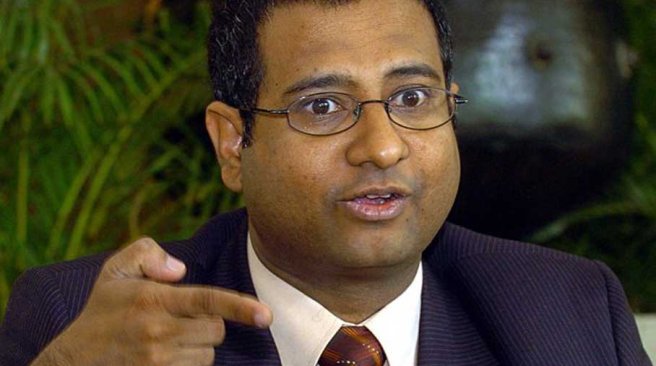
The Psychology of Scapegoating
Scapegoating serves several psychological functions. It reduces cognitive dissonance by providing a simple explanation for complex, unsettling events. When societies face economic hardship, political instability, or cultural change, identifying a scapegoat offers a false sense of control and clarity. This process absolves the in-group of blame and fosters unity against a perceived common threat. The targeted group is often dehumanized, making it easier to justify discrimination or violence against them.
Scapegoating in Historical and Modern Contexts
History is replete with examples of scapegoating leading to catastrophic outcomes. While this article avoids specific historical case studies as per the parameters, the pattern is clear: groups are singled out based on ethnicity, religion, or ideology during times of crisis. In contemporary discourse, this mechanism persists. As highlighted by Ahmed Shaheed, the former UN special rapporteur, the fight against anti-Semitism is intrinsically linked to the fight against Islamophobia because both are manifestations of the same scapegoating process. Different groups are targeted, but the underlying mechanism of blaming “the other” for societal ills remains identical.

From Individual Bias to Systemic Prejudice
Scapegoating begins with individual bias but can quickly escalate into systemic prejudice. When political leaders, media figures, or community influencers endorse scapegoating narratives, they lend legitimacy to hatred. These narratives then become embedded in policies, social norms, and institutional practices. Combating this requires vigilance at both the individual and systemic levels. It involves critical media literacy, promoting intergroup contact, and upholding legal frameworks that protect against discrimination and hate speech.
Breaking the Cycle of Hatred
Breaking the cycle of hatred requires a conscious effort to reject scapegoating. This involves fostering empathy, encouraging critical thinking about the root causes of problems, and promoting inclusive narratives that emphasize shared humanity. Education plays a pivotal role in teaching about the dangers of stereotyping and the historical consequences of scapegoating. Furthermore, supporting the work of human rights advocates and institutions, as referenced in the work of figures like Ahmed Shaheed, is crucial for building resilient societies that resist the temptation to blame the vulnerable.
In conclusion, recognizing that hatred is about scapegoating is the first step toward dismantling it. By understanding this core mechanism, we can better identify the rhetoric and patterns that lead to prejudice against any group. Whether it manifests as anti-Semitism, Islamophobia, or any other form of bigotry, the solution lies in addressing the underlying social anxieties and refusing to accept simplistic, targeted blame. The path forward is one of complexity, responsibility, and unwavering commitment to human dignity for all.