Read on bbc.com
Els Enfarinats: Spain's Flour-Fueled Festival of Misrule
Every December 28th, the Spanish town of Ibi transforms into a chaotic, flour-covered spectacle during the Els Enfarinats festival. This centuries-old tradition, held on Spain's Day of the Innocents, involves participants dressed in mock military attire staging a playful coup using eggs, flour, and firecrackers. The event combines anarchic fun with charitable purpose, as the 'ruling' faction demands 'taxes' from locals, with proceeds supporting community causes. This article explores the history, rituals, and cultural significance of this unique Alicante celebration that turns the streets into a battleground of food and farce.
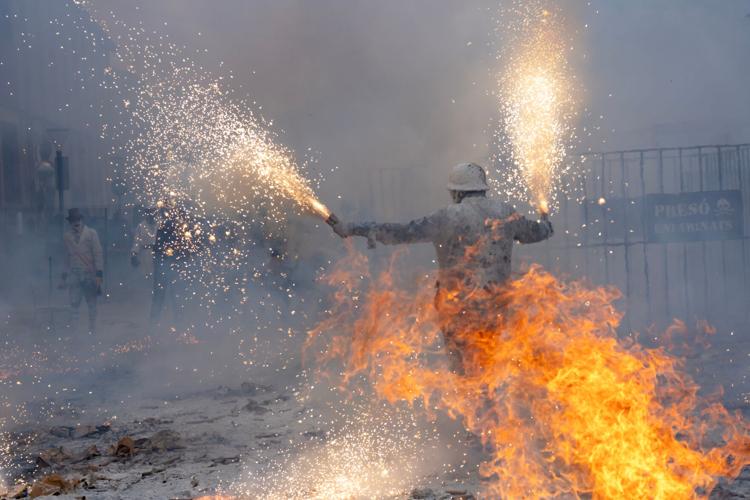
In the quiet province of Alicante, Spain, the town of Ibi erupts into a cloud of white powder and flying food each December 28th. The annual Els Enfarinats festival—whose name translates to "The Floured Ones"—transforms the municipality into a scene of controlled chaos, where participants wage a mock battle using flour, eggs, and firecrackers. This unique tradition, documented by sources including the BBC, represents one of Spain's most distinctive and anarchic celebrations, blending historical pageantry with charitable purpose and community spirit.

The Rituals of Misrule
The festival follows a carefully orchestrated script of rebellion. Participants don military-style costumes, creating two opposing factions that stage a theatrical coup d'état. The "ruling" group, having seized symbolic power, proceeds through the town demanding "taxes" from local residents and businesses. These payments are actually charitable donations that support community causes throughout the year. Those who refuse or hesitate to contribute risk becoming targets of the festival's primary weapons: eggs and flour. This playful extortion creates an interactive element where spectators become potential participants in the food fight.

Historical Roots and Timing
Els Enfarinats boasts a history spanning more than two centuries, with its origins tracing back to local traditions in the Alicante region. The festival's timing is particularly significant—it coincides with Spain's Día de los Santos Inocentes (Day of the Holy Innocents) on December 28th. This date serves as Spain's equivalent to April Fools' Day, a time when pranks and mischief are socially sanctioned. The festival cleverly incorporates this spirit of authorized misbehavior into its structure, allowing the community to engage in controlled chaos that temporarily upends social norms while ultimately reinforcing community bonds through charitable giving.
Cultural Significance and Community Impact
Beyond the surface-level spectacle of food fighting, Els Enfarinats serves important social functions within the Ibi community. The festival preserves local cultural heritage while adapting to contemporary contexts. The charitable aspect transforms what might appear as mere vandalism into a community fundraising mechanism, with the "taxes" collected supporting local initiatives. This blending of tradition with social purpose helps maintain the festival's relevance and community support. Additionally, the event has gained attention beyond Spain's borders, attracting visitors interested in experiencing this unique cultural phenomenon firsthand, thereby providing economic benefits to the town through tourism.
Conclusion: Tradition Meets Controlled Chaos
The Els Enfarinats festival represents a fascinating example of how communities can maintain historical traditions while adapting them to serve contemporary purposes. What begins as a seemingly anarchic food fight reveals itself upon closer examination to be a carefully structured ritual that strengthens community ties, preserves cultural heritage, and supports charitable causes. As the streets of Ibi are washed clean of flour and eggshells each December 29th, what remains is not just the memory of a day of sanctioned mischief, but the tangible benefits of community fundraising and the reinforced bonds between participants and spectators alike. This unique Spanish tradition demonstrates how playful rebellion, when channeled through established rituals, can become a powerful force for community cohesion and cultural preservation.