 Read on cbsnews.com
Brown University and MIT Professor Shootings: Suspect Identified as Former Graduate Student
Law enforcement officials have confirmed that the same gunman was responsible for the deadly shooting at Brown University and the murder of an MIT professor two days later. The suspect, identified as 48-year-old Portuguese national Claudio Manuel Neves Valente, was found dead of an apparent suicide in New Hampshire. This article details the timeline of events, the suspect's connections to both institutions, and the investigation that led to his identification, which was significantly aided by a tip from a social media post.
In a tragic series of events that shocked academic communities in New England, law enforcement officials have linked a single gunman to a mass shooting at Brown University and the fatal shooting of a Massachusetts Institute of Technology professor. The suspect, Claudio Manuel Neves Valente, was found deceased on Thursday night, bringing a close to an intensive, multi-state manhunt. This article synthesizes the latest information from official sources to provide a clear overview of the incidents, the suspect's profile, and the investigative breakthroughs that identified him.

Timeline of the Shootings
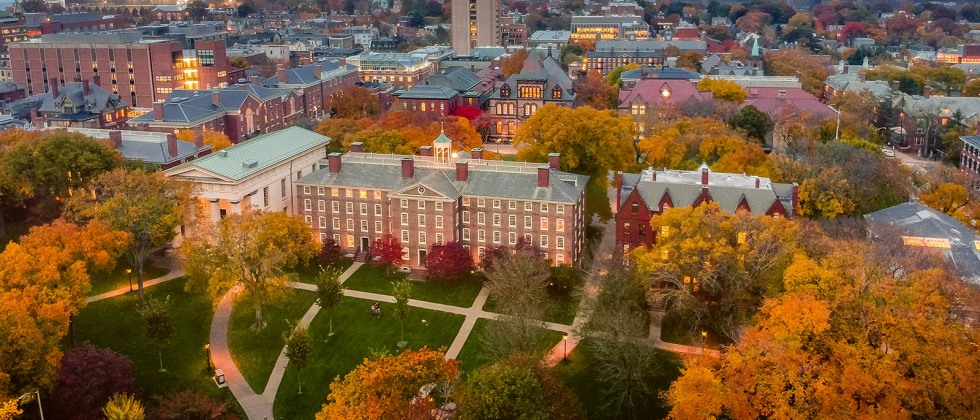
The violence began on Saturday, December 13, 2025, at Brown University in Providence, Rhode Island. A gunman opened fire in a classroom building, resulting in the deaths of two students and injuries to nine others. The campus was placed on lockdown as law enforcement initiated a search for the perpetrator.
Two days later, on Monday, December 15, MIT professor Nuno Loureiro was shot multiple times at his home in Brookline, Massachusetts. The 47-year-old prominent scholar in fusion energy research died from his injuries the following day. Initially investigated as separate incidents, authorities soon uncovered evidence pointing to a single suspect responsible for both attacks.
Identification of the Suspect
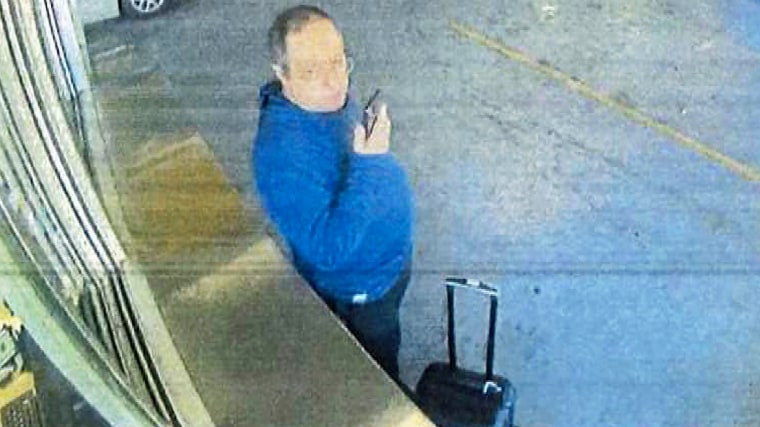
The suspect was identified as 48-year-old Claudio Manuel Neves Valente, a Portuguese national whose last known residence was in Miami, Florida. According to Homeland Security Secretary Kristi Noem, Neves Valente moved to the U.S. in 2017 after receiving a green card through a visa lottery program. A critical break in the case came from a tipster, referred to as "John" in police affidavits, who encountered a man near Brown University resembling the person of interest and posted about a gray rental Nissan on Reddit.
Rhode Island Attorney General Peter Neronha stated that this tip "blew this case right open." Investigators used this information to trace a gray Nissan Sentra with Florida plates, which the suspect had rented from an agency in Boston on December 1. Security footage from the rental location and financial records helped confirm his identity. U.S. Attorney Leah Foley outlined that the suspect's car was observed intermittently near Brown University between December 1 and December 12.

Connection to the Victims
Link to Brown University
Neves Valente had a direct academic connection to the first crime scene. Brown University President Christina Paxson confirmed he was enrolled in the graduate school from the fall of 2000 to the spring of 2001, admitted to a PhD program in physics. He took a leave of absence in April 2001 before formally withdrawing in July 2003. Notably, the physics classes he attended were held in the Barus & Holley building—the same building where the shooting occurred.
Link to MIT Professor Nuno Loureiro
The connection to the second victim appears more personal. Both Neves Valente and Professor Loureiro were from Portugal and were close in age. The Instituto Superior Técnico in Portugal confirmed that both men attended the same Engineering Physics program at its Institute for Plasmas and Nuclear Fusion between 1995 and 2000. U.S. Attorney Foley stated, "My understanding is that they did know each other." This shared history suggests a pre-existing relationship, though a precise motive for the violence remains unknown.
Investigation and Apparent Suicide
Following the shooting of Professor Loureiro, security footage placed the suspect within a half-mile of the professor's apartment and showed him entering the area of the home. An hour later, he was seen entering a storage unit facility in Salem, New Hampshire. This location became the endpoint of the manhunt. On Thursday night, December 18, law enforcement found Neves Valente dead inside the storage unit. An autopsy report released Friday indicated he died from a self-inflicted gunshot wound to the head, estimated to have occurred on Tuesday, December 16—two days before he was found.
He was dressed in the same clothes seen in footage after Loureiro's murder. A satchel and two firearms were recovered with him. Attorney General Neronha expressed confidence that the case was closed from the perspective of pursuing those involved, stating, "We are 100% confident that this is our target."
Unanswered Questions and Official Response
While the suspect has been identified and is deceased, the fundamental question of motive persists. Attorney General Neronha acknowledged the mystery, saying, "I don't think we have any idea why now, or why — why Brown? Why these students? Why this classroom? That is really unknown to us. It may become clear, I hope that it does, but it hasn't as of right now." Officials believe the suspect acted alone. The investigation leveraged security footage, hotel and rental car records, storage unit leases, and financial tracking to piece together his movements.
The tragedies have left two university communities in mourning. Brown University and MIT have offered counseling and support services to students, faculty, and staff affected by the violence. The case highlights the devastating impact of targeted violence within educational institutions and the complex, collaborative work of law enforcement across jurisdictions to resolve such threats.