Read on bbc.com
White House Chief of Staff Disputes Vanity Fair Profile's Portrayal of Trump Administration
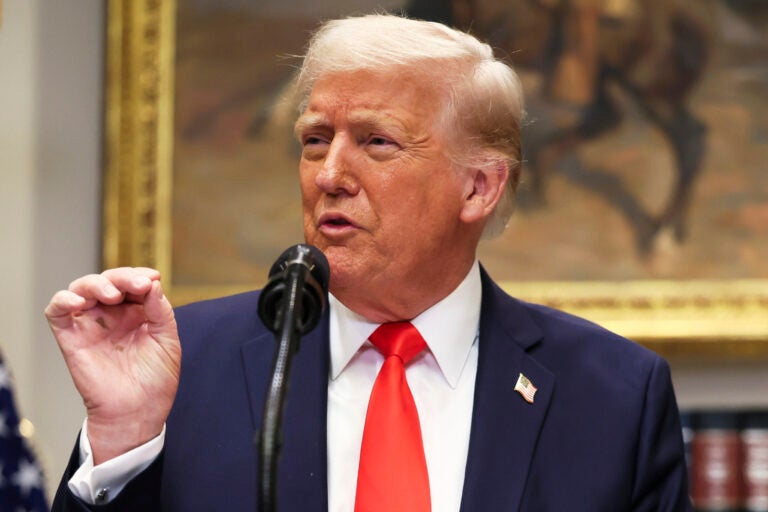
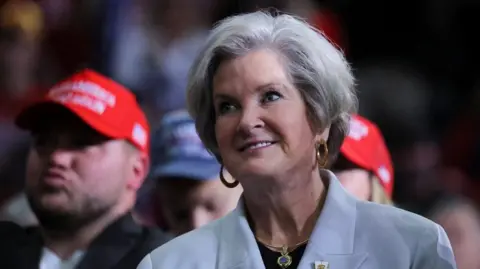
White House Chief of Staff Susie Wiles has publicly challenged a Vanity Fair article that quotes her making critical remarks about key figures in the Trump administration, including former President Donald Trump and Vice President JD Vance. Wiles claims the magazine omitted significant context to create a negative narrative. The article, based on multiple interviews, described Trump as having an "alcoholic's personality" and labeled Vance a long-time "conspiracy theorist," while also offering sharp criticism of Elon Musk's brief tenure in government.
A recent in-depth profile in Vanity Fair has sparked significant controversy and a forceful rebuttal from one of the Trump administration's most senior officials. The article, based on nearly a dozen interviews, quotes White House Chief of Staff Susie Wiles offering candid and critical assessments of several high-profile figures, including former President Donald Trump, Vice President JD Vance, and tech billionaire Elon Musk. Wiles has since taken to social media to dispute the portrayal, accusing the publication of creating a "disingenuously framed hit piece" by disregarding context.
Core Allegations and the Immediate Rebuttal
According to the Vanity Fair article referenced by the BBC, Wiles described Donald Trump as possessing an "alcoholic's personality." She elaborated by drawing a parallel to her upbringing with an alcoholic father, stating that such personalities are "exaggerated" and that she considers herself "a little bit of an expert in big personalities." She noted that while Trump does not drink, he governs with an unwavering belief that "there's nothing he can't do." Regarding Vice President JD Vance, Wiles suggested he had been a "conspiracy theorist" for about a decade and that his political shift toward Trump was "sort of political."
The publication of these remarks triggered a swift and public response from Wiles herself. On the social media platform X, she accused Vanity Fair of a "disingenuously framed hit piece" aimed at her, the president, and other cabinet members. "Significant context was disregarded and much of what I, and others, said about the team and the President was left out of the story," Wiles wrote. "I assume, after reading it, that this was done to paint an overwhelmingly chaotic and negative narrative about the President and our team."

Administration and Presidential Defense
The White House quickly rallied to Wiles's defense. Press Secretary Karoline Leavitt issued a statement praising Wiles, saying she "has helped President Trump achieve the most successful first 11 months in office of any President in American history" and is his "greatest and most loyal advisor." Speaking to reporters, Leavitt further accused Vanity Fair of "bias of omission" for excluding other interviews and taking Wiles's words "wildly out of context."
Former President Trump also came to his chief of staff's defense in an interview with the New York Post, describing Wiles as "fantastic" and suggesting she may have been "deceived" by the writer. He added that he believed her comments about his personality mirrored remarks he had previously made about himself, seemingly downplaying the criticism.
Broader Commentary on Administration Figures
The Vanity Fair profile extended beyond Trump and Vance. Wiles reserved some of her strongest comments for Elon Musk, who led a short-lived cost-cutting initiative at the Department of Government Efficiency (Doge). She described Musk as an "avowed Ketamine [user]" who "sleeps in a sleeping bag" in the Executive Office Building, calling him an "odd, odd duck." While acknowledging his genius, she criticized his approach to gutting agencies like the U.S. Agency for International Development (USAID), saying she was "initially aghast" at the proposal and that "no rational person" could think his process was good.
Wiles also touched on other sensitive topics, admitting there "may be an element of" retribution in Trump's efforts to pursue legal cases against political adversaries, though she clarified she doesn't believe he "wakes up thinking about it."

Reactions from Other Figures
Vice President JD Vance responded to the report indirectly. When asked by reporters, he stated he had not read the article but said he only believes in conspiracy theories that are "true," citing reports about President Joe Biden's health as an example. Elon Musk has not publicly commented on the Vanity Fair piece at the time of reporting.
Analysis of the Strategic Fallout
This incident highlights the ongoing tension between the Trump administration and mainstream media outlets it frequently labels as hostile. The rapid, unified defense from the White House underscores Wiles's perceived power and importance within the administration's inner circle. The dispute also puts a spotlight on the internal dynamics and personalities shaping policy and strategy in Trump's second term, revealing fractures and candid assessments that are rarely aired so publicly by a sitting chief of staff. The episode is likely to reinforce the administration's narrative of being unfairly targeted by the press while also exposing the challenging personalities that Wiles, in her role, must manage.