From Hoosiers to Heisman: The Enduring Legacy of Indiana Sports
Indiana's sports legacy is a rich tapestry woven from underdog triumphs, historic firsts, and championship moments that resonate far beyond state lines. From the iconic 1954 Milan High School basketball team that inspired "Hoosiers" to Fernando Mendoza's 2025 Heisman Trophy win, the state has consistently produced stories that capture the national imagination. This legacy spans professional, collegiate, and high school levels, featuring legends like Larry Bird, Reggie Miller, Peyton Manning, and Caitlin Clark. Indiana's unique position as a basketball heartland that also excels in football, auto racing, and soccer creates a diverse and enduring athletic identity that continues to evolve with each new generation of champions.
Indiana's identity is inextricably linked to its sports heritage, a legacy built on underdog stories, historic firsts, and moments of pure athletic brilliance that have captured the national imagination. From the rural basketball courts that produced the real-life "Hoosiers" to the gridiron where Fernando Mendoza recently made history, the state has cultivated a culture where sports are more than games—they are communal narratives of perseverance and triumph. This legacy spans the professional ranks of the NBA and NFL, the collegiate fervor of the Big Ten, and the grassroots passion of high school gymnasiums, creating a uniquely diverse athletic identity for a Midwestern state.
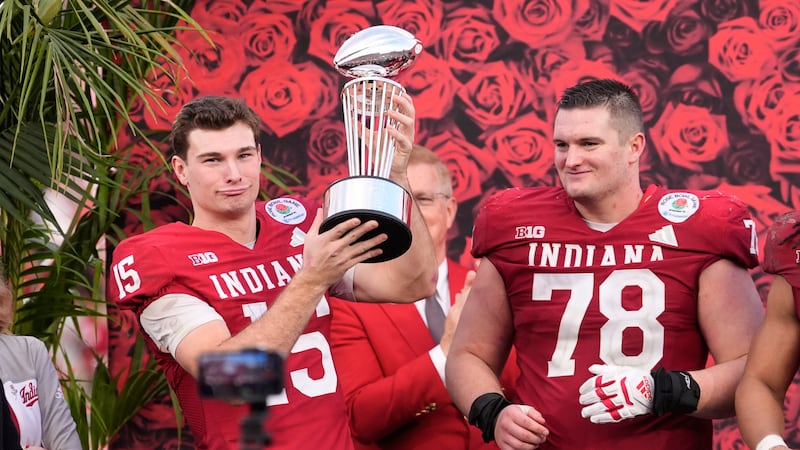
The recent success of Indiana University football, culminating in quarterback Fernando Mendoza becoming the first Hoosier to win the Heisman Trophy in 2025, represents just the latest chapter in this ongoing story. Mendoza led Indiana to an undefeated regular season and a No. 1 seed in the College Football Playoff, marking a dramatic shift for a program historically overshadowed by its basketball counterpart. This football renaissance adds a new dimension to a legacy already rich with basketball lore, auto racing innovation, and soccer excellence, proving Indiana's athletic prowess is both deep and continually evolving.
The Foundation: Basketball and the "Hoosiers" Mythos
Any discussion of Indiana sports must begin with basketball, the state's undisputed first love. The sport's mythology was cemented in March 1954 when Milan High School, with an enrollment of just 161 students, defeated mighty Muncie Central 32-30 for the state championship on a last-second shot by Bobby Plump. This quintessential underdog story transcended sports, eventually inspiring the beloved 1986 film "Hoosiers" and establishing a permanent narrative template for Indiana athletics—the triumph of heart and teamwork over sheer size and resources.
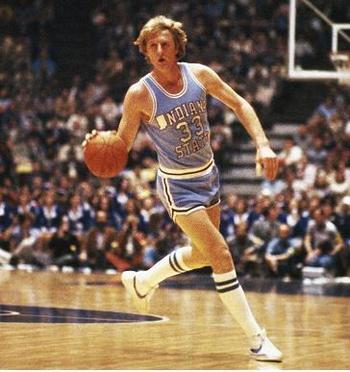
This basketball excellence scaled to the collegiate level with iconic figures and teams. Indiana State University's Larry Bird led his team to the 1979 NCAA championship game against Magic Johnson's Michigan State, a matchup that drew record television ratings and helped popularize the modern tournament. At Indiana University, Coach Bob Knight achieved the last perfect season in Division I men's basketball, guiding the Hoosiers to a 32-0 record and national title in 1976—a feat that remains unmatched nearly five decades later. Meanwhile, Butler University authored its own Cinderella story with back-to-back Final Four runs in 2010 and 2011 under coach Brad Stevens, proving that Indiana's basketball magic wasn't confined to its flagship institutions.
Professional Prowess: From the Pacers to the Colts
Indiana's professional sports landscape has been defined by two franchises: the Indiana Pacers and the Indianapolis Colts. The Pacers established early dominance by winning three American Basketball Association (ABA) championships, becoming the most successful franchise in that league's history before merging with the NBA in 1976. The team created enduring memories, most notably Reggie Miller's legendary "8 points in 9 seconds" to stun the New York Knicks in the 1995 playoffs, a moment of individual brilliance that epitomized clutch performance.
The arrival of the NFL in Indianapolis marked another transformative moment. After the Baltimore Colts' controversial midnight move in 1984, the franchise rebuilt its identity around quarterback Peyton Manning, drafted first overall in 1998. Manning's era culminated in a Super Bowl XLI victory in 2007, delivering the city's first NFL championship and cementing football as a central pillar of Indiana's sports culture. The Colts' success demonstrated that Indiana could support and excel in major professional sports beyond its basketball roots.
Breaking Barriers and Setting Records
Indiana's sports history is punctuated by barrier-breaking moments that expanded possibilities in athletics. At the 1977 Indianapolis 500, Janet Guthrie became the first woman to qualify for and compete in "The Greatest Spectacle in Racing," challenging gender norms in one of motorsports' most traditional events. Her participation opened the track for future female drivers like Danica Patrick, who would later achieve a top-five finish at the same event.
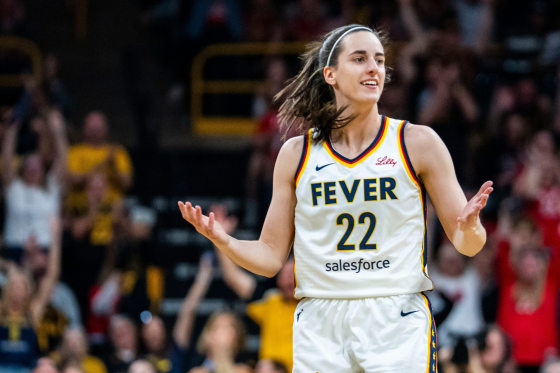
More recently, the state has been at the center of women's basketball's explosion in popularity. The Indiana Fever's selection of Caitlin Clark with the first pick in the 2024 WNBA draft brought the NCAA's all-time scoring leader to a basketball-crazy state, creating immediate championship expectations. Clark's arrival followed the Fever's 2012 title run led by Tamika Catchings and preceded a resilient 2025 playoff push, showcasing the franchise's role in advancing the professional women's game. On the track, Indianapolis native Cole Hocker set a new Olympic record in the 1500-meter event at the 2024 Paris Games, adding another gold-standard achievement to Indiana's athletic resume.
A Multisport Legacy Beyond the Hardwood
While basketball commands attention, Indiana's athletic achievements extend across multiple sports at various levels. In collegiate soccer, the Indiana Hoosiers men's program has established itself as a national powerhouse, capturing eight NCAA championships—the second-most in Division I history—including a title in 2012. The university's baseball program reached its first College World Series in 2013, demonstrating broad-based athletic excellence beyond the revenue sports.
The state has also served as a crucial host for major national events, most notably during the unique circumstances of the 2021 NCAA men's basketball tournament. With the entire "March Madness" event conducted in a bubble format across Indianapolis venues due to COVID-19 protocols, the city successfully managed one of the most logistically complex sporting events in history, highlighting its infrastructure and organizational capabilities on a national stage.
The Modern Era: A New Chapter for Hoosier Football
The current decade has witnessed perhaps the most surprising evolution in Indiana sports: the emergence of Indiana University football as a national contender. For generations, the Hoosiers played second fiddle to the basketball program, but the 2025 season changed that narrative dramatically. Led by quarterback Fernando Mendoza, Indiana completed an undefeated regular season, won the Big Ten championship, and earned the top seed in the College Football Playoff. Mendoza's Heisman Trophy victory wasn't just a personal achievement; it symbolized the program's arrival on college football's biggest stage and added a prestigious new award to Indiana's trophy case.
This football success coincides with continued achievements across other sports. The Indiana Pacers' unexpected run to the 2025 NBA Finals, despite a devastating injury to star guard Tyrese Haliburton in Game 7, demonstrated the franchise's resilience and competitive spirit. Meanwhile, the sustained excellence of programs like men's soccer and the growing prominence of women's basketball with the Fever ensure that Indiana's sports legacy isn't reliant on any single team or season, but rather on a continuous pipeline of achievement across disciplines.
Conclusion: An Enduring Athletic Identity
Indiana's sports legacy is a living tradition, continually renewed by each generation of athletes who add their chapters to the state's story. From the Milan miracle to Mendoza's Heisman, from Guthrie's barrier-breaking qualification to Clark's arrival in Indianapolis, these moments collectively define Indiana's unique place in American sports. What makes this legacy particularly compelling is its diversity—a basketball state that produces football champions, a racing capital that develops Olympic track stars, a soccer powerhouse in the heart of the Midwest.
This multifaceted identity ensures that Indiana's sports story remains relevant and dynamic. As new athletes emerge and new championships are pursued, the foundational narratives of underdog triumph, professional excellence, and barrier-breaking courage continue to inspire. Whether on the hardwood, the gridiron, the pitch, or the track, Indiana has proven that its capacity for athletic greatness is both deep and wide, creating a legacy that resonates far beyond state lines and continues to grow with each passing season.