 Read on cbsnews.com
Senate Confirms Admiral Kevin Lunday as Coast Guard Commandant After Policy Clarification
The U.S. Senate unanimously confirmed Admiral Kevin Lunday as the new Coast Guard commandant, ending a brief confirmation hold. The delay stemmed from concerns over agency guidance that initially described hate symbols like swastikas and nooses as 'potentially divisive.' Following revisions to strengthen the policy's language, Democratic Senator Jacky Rosen lifted her objection, allowing the confirmation to proceed. The move resolves a controversy that highlighted the importance of clear, unambiguous policies against hate symbols within the military.
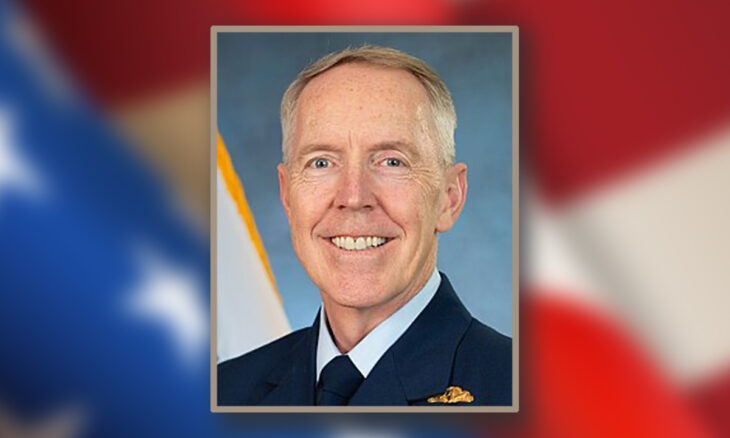
The U.S. Senate has confirmed Admiral Kevin Lunday as the 27th Commandant of the United States Coast Guard, concluding a confirmation process that became entangled in a debate over the service's policies regarding hate symbols. The unanimous confirmation, secured late Thursday night, followed the clarification of internal guidance that had sparked significant political concern.
The Confirmation Hold and Policy Controversy
The path to Admiral Lunday's confirmation hit a temporary obstacle when Democratic Senator Jacky Rosen of Nevada placed a hold on his nomination. This procedural move was a direct response to the Coast Guard's issuance of updated policy guidance concerning the display of hate symbols, including swastikas and nooses. The initial version of this guidance had drawn sharp criticism for its language.
Specifically, the guidance referred to such symbols as "potentially divisive," a characterization that critics argued significantly weakened the Coast Guard's stance. Senator Rosen and others expressed alarm that this language represented a "backtrack" on a clear commitment to prohibit these symbols. The concern was that labeling them merely as divisive, rather than explicitly as hate symbols, created ambiguity and could be misconstrued.
Resolution Through Policy Clarification
The impasse was broken when the Coast Guard and the Department of Homeland Security (DHS) revised the contentious policy documents. The references to hate symbols as "potentially divisive" were removed entirely. In a statement, Senator Rosen announced she was lifting her hold, noting she was "pleased to see that the policy now directly refers to stronger language against swastikas and nooses." She emphasized her continued commitment to working with Admiral Lunday to strengthen anti-harassment policies within the service.
Homeland Security Secretary Kristi Noem framed the revisions as necessary to prevent misinterpretation. On social media, she stated the changes ensured that "no press outlet, entity or elected official may misrepresent the Coast Guard to politicize their policies and lie about their position on divisive and hate symbols." Secretary Noem had previously criticized the confirmation delay as a "politicized holdup," advocating for the swift confirmation of Admiral Lunday given his nearly 39 years of service.

Official Stance and the Path Forward
Throughout the controversy, the Coast Guard and DHS maintained that there was never an intent to dilute policy. The Department of Homeland Security asserted there "was never a 'downgrade'" in the language. Following the confirmation, the Coast Guard reiterated its position on social media, stating it "maintains a zero-tolerance policy toward hate symbols, extremist ideology, and any conduct that undermines our core values. We prohibit the display or promotion of hate symbols in any form. Any suggestion otherwise is false."
With the policy language clarified and the confirmation secured, Admiral Kevin Lunday now assumes leadership of the Coast Guard. The episode underscores the heightened sensitivity and scrutiny surrounding institutional policies on discrimination and hate speech within the U.S. military. Admiral Lunday's confirmation, supported by a unanimous Senate vote, allows the service to move forward under new leadership while reaffirming its core values.