Read on PBS News
U.S. Escalates Pressure on Venezuela with Coast Guard Tanker Interceptions
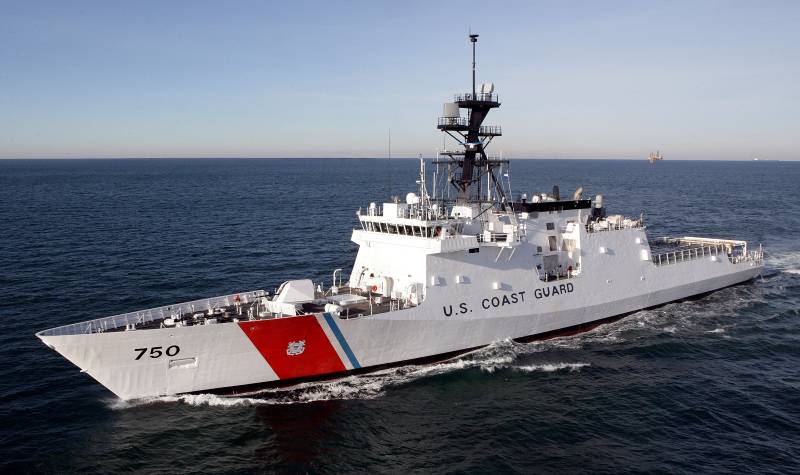
The United States has intensified its sanctions enforcement against Venezuela, with the U.S. Coast Guard intercepting another oil tanker accused of helping the Maduro regime circumvent economic restrictions. This action follows President Trump's recent declaration of a "total and complete blockade" on all sanctioned vessels traveling to and from Venezuelan ports. The escalating maritime operations represent a significant hardening of U.S. policy, aiming to cut off a crucial revenue stream for the Venezuelan government amidst the country's ongoing political and economic crisis.
The geopolitical standoff between the United States and Venezuela entered a more confrontational phase in late 2025, as Washington moved its sanctions enforcement from the financial realm directly into maritime operations. The U.S. Coast Guard's interception of an oil tanker off the Venezuelan coast represents a tangible escalation, translating policy declarations into physical action. This development follows President Donald Trump's stark announcement of a "total and complete blockade of all sanctioned tankers heading to and from Venezuela," signaling a determined effort to strangle the Maduro government's primary source of foreign currency.
The Policy Shift: From Sanctions to Blockade
The recent Coast Guard action did not occur in a vacuum. For years, the United States has employed a complex web of financial sanctions against Venezuelan state entities, individuals, and the oil sector, aiming to pressure President Nicolás Maduro to cede power. However, the effectiveness of these measures has been undermined by Venezuela's ability to continue exporting oil, often through shadowy networks and ship-to-ship transfers at sea to obfuscate the cargo's origin. The declaration of a maritime blockade, as reported by PBS NewsHour, marks a strategic pivot from indirect economic pressure to direct interdiction, aiming to physically prevent the movement of sanctioned oil.
Legal and Operational Framework
Executing such a blockade relies on a specific legal justification. U.S. officials typically frame these interceptions under authorities related to the enforcement of sanctions and counter-proliferation. The targeted tanker was accused of "helping Venezuela circumvent sanctions," suggesting it was either carrying Venezuelan crude in violation of U.S. edicts or facilitating the operations of sanctioned Venezuelan state oil company PDVSA. These operations require precise intelligence, often from satellite tracking and financial records, to identify vessels engaged in illicit trade before deploying Coast Guard assets to intercept them in international waters.

Implications for Venezuela and Global Oil Markets
The tightened enforcement has immediate and severe consequences for Venezuela. Oil exports are the lifeblood of its economy, funding government operations and imports of essential goods. A successful blockade threatens to collapse this already fragile revenue stream, potentially deepening the humanitarian crisis within the country. For global markets, the actions add a layer of risk and complexity to oil trading, particularly for shipping companies and insurers who must now navigate the heightened threat of having their assets seized or turned away from ports for potentially violating U.S. sanctions.
Regional and Diplomatic Repercussions
This aggressive posture also tests diplomatic relationships in the Western Hemisphere and beyond. While some regional allies may support increased pressure on Maduro, other nations, including U.S. adversaries and those with existing trade ties to Venezuela, may view the blockade as an overreach of U.S. jurisdiction and a violation of freedom of navigation principles. The situation creates a potential flashpoint, not just with Venezuela, but with any nation whose vessels are intercepted.
Conclusion: A New Phase of Confrontation
The interception of another oil tanker by the U.S. Coast Guard signifies that the Trump administration's "total blockade" is more than rhetorical. It is an operational reality with significant stakes. This approach represents a high-risk, high-reward strategy: it maximizes economic pressure on the Maduro regime but also escalates the confrontation to a more direct and potentially volatile level. The coming weeks will reveal the blockade's effectiveness in curtailing Venezuelan oil exports and the broader international response to this forceful application of U.S. sanctions power on the high seas. The move underscores a willingness to use military and law enforcement assets to achieve geopolitical objectives, setting a notable precedent for future sanctions enforcement.