From Social Media to AI Companions: The Loneliness Epidemic and the Quest for Real Connection
Two decades after social media promised global connection, we find ourselves turning to AI for companionship, revealing a deeper societal loneliness crisis. This article explores how AI friendship apps like 'Friend' have sparked public backlash, the psychological implications of replacing human bonds with chatbots, and why genuine IRL connections remain essential for emotional well-being. We examine Silicon Valley's role in creating isolation while selling digital solutions, the troubling patterns in teen AI usage, and the fundamental human need for authentic relationships that technology cannot replicate.
Two decades ago, platforms like Facebook and MySpace promised to revolutionize human connection by bridging distances and rekindling old friendships. Today, as loneliness reaches epidemic proportions, Silicon Valley is offering a new solution: artificial intelligence companions. From AI-powered necklaces to chatbots that listen and respond, technology companies are positioning AI as the antidote to isolation. Yet, as subway graffiti in New York City demonstrates, public sentiment is shifting from optimism to skepticism about whether digital entities can truly replace human bonds.
The Rise of AI Companionship
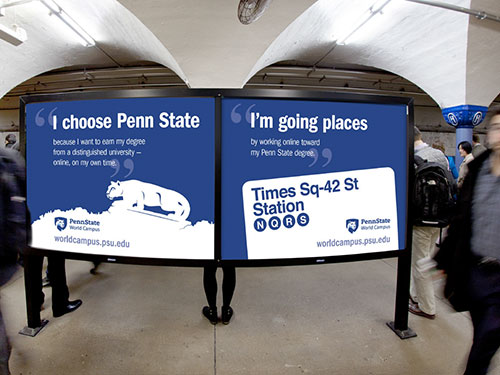
In 2025, the AI companionship market exploded with offerings ranging from travel guides and dating app wingmen to intimate chatbots. The most visible example was 'Friend,' an AI companion necklace advertised throughout the New York City subway system. The campaign, which cost less than $1 million according to the company's founder, featured simple messaging positioning the device as someone who "listens, responds, and supports you." This marketing approach tapped directly into the loneliness epidemic declared by the US surgeon general more than two years earlier.
What made the Friend campaign particularly notable was the public backlash it generated. Commuters defaced the ads with messages like "If you buy this, I will laugh @ you in public," "Warning: AI surveillance," and "Everyone is lonely. Make real friends." The response became so widespread it was covered by The New York Times and evolved into an internet meme. This reaction revealed a deep societal anxiety about AI's role in human relationships, suggesting that while people might accept AI for practical applications, the suggestion that it could cure loneliness struck a nerve.

Silicon Valley's Role in the Loneliness Crisis
Technology companies now promoting AI companions are the same entities that previously sold social media as the solution to connection. According to Lizzie Irwin, a policy communications specialist at the Center for Humane Technology, "They sold us connection through screens while eroding face-to-face community, and now they're selling AI companions as the solution to the isolation they helped create." This pattern represents a concerning cycle where technology creates problems it then promises to solve.
Social media's evolution demonstrates this trajectory. Initially platforms served as spaces for niche communities to connect, but they gradually transformed into environments dominated by influencers and commercial content. Users learned to offload emotional labor to digital tools—liking a post instead of calling a friend, for instance. AI takes this further by eliminating the need for reciprocal relationships altogether. As University of Buffalo communications professor Melanie Green notes, "ChatGPT is not leaving its laundry on the floor." Bots offer relationships without the complications of human interaction.
Psychological Implications of AI Friendships
Research into computer-mediated communication reveals concerning parallels between AI friendships and parasocial relationships. These one-sided bonds, typically formed with celebrities or fictional characters, allow individuals to fill gaps in their knowledge with positive assumptions. AI relationships function similarly but with added responsiveness—the bots always tell users what they want to hear. This creates what Green describes as "digitally generated toxic positivity" that lacks the authenticity of genuine human connection.
Perhaps more troubling is AI's role in filling gaps in mental health support. Social psychology professor Shira Gabriel explains, "We have a real crisis right now in America where we just don't have enough therapists for the number of people that need therapy." AI companions are stepping into this void, but they lack the memory and consistency of human professionals. When AI companion maker Soulmate shut down in 2023, users mourned the loss as they would a death, highlighting the emotional risks of investing in impermanent digital relationships.
The Dangers for Younger Generations
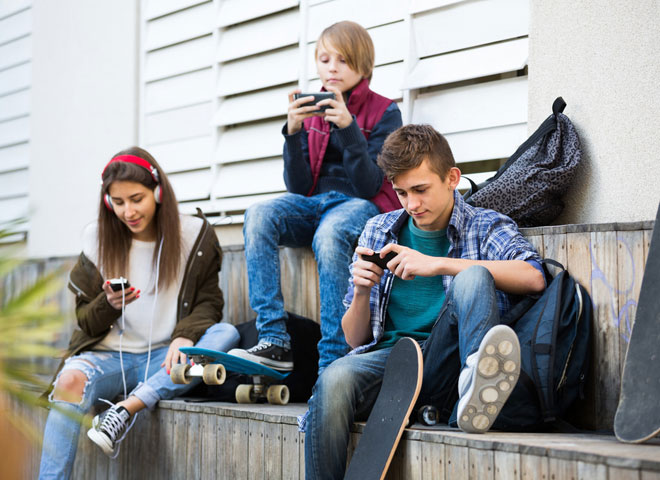
Teens raised on social media face particularly concerning outcomes with AI companions. A Common Sense Media report found that 72% of more than 1,000 US teens surveyed have interacted with AI companions. Stanford investigators posing as teenagers discovered it was "easy to elicit inappropriate dialog from the chatbots—about sex, self-harm, violence toward others, drug use, and racial stereotypes." These findings have prompted calls for regulation, with parents of teens who died by suicide testifying before a US Senate subcommittee about the harms they attribute to chatbot interactions.
The technology's limitations become apparent when examining how AI handles complex human emotions. OpenAI had to roll back a GPT-4o update that was "overly flattering and agreeable," recognizing that while friends should offer support, they shouldn't lie to do so. The New York Times documented cases where chatbots led users down paths of delusional thinking, with some individuals emerging from conversations believing they were prophets or even divine beings. These incidents underscore the risks of replacing human judgment with algorithmic responses.
The Fundamental Need for Human Connection
Despite technological advances, humans remain hardwired for authentic connection. A Pew Research Center report from September found that 50% of respondents believed AI would worsen people's ability to form meaningful relationships, while only 5% believed it would improve them. This skepticism reflects an understanding that relationship-building requires skills chatbots cannot provide—navigating conflict, reading nonverbal cues, practicing patience, and experiencing rejection.
As Irwin notes, "These are challenging yet critical aspects of developing emotional intelligence and social competence." The COVID-19 pandemic demonstrated that even casual interactions with baristas or fellow subway riders contribute significantly to wellbeing. These micro-connections, which Gabriel describes as "things we are not going to stop needing," represent the irreplaceable fabric of human society. They cannot be authentically replicated through screens or algorithms.
Looking Forward: IRL Companionship as the Future
The backlash against AI companions suggests a growing public recognition that technology cannot solve the loneliness it helped create. The Halloween costume created by technologist Josh Zhong—a white sweater emblazoned with the Friend ad that partygoers could deface with markers—symbolizes this shift. As Zhong explained, "Me and my homies hate AI. It's an inherently antisocial technology." His costume created space for real people to commiserate about technology encroaching on human connections.
This sentiment reflects a broader cultural movement toward valuing authentic interaction. While AI may serve as a temporary stopgap for some, most people continue to seek living companions. The technology might lead to isolated incidents of substitution, but research shows that people in relationships with AI commonly maintain human partnerships too. The future of connection likely involves balancing technological tools with intentional efforts to cultivate real-world relationships, recognizing that while AI can simulate conversation, it cannot replace the complex, messy, and ultimately rewarding experience of human friendship.