Read on PBS News
The Unseen Impact: How U.S. Airstrikes in Nigeria Created Fear and Confusion in a Peaceful Village
In December 2025, residents of the remote Nigerian village of Jabo experienced a night of terror when U.S. airstrikes targeted an alleged Islamic State camp nearby. Villagers who had never faced such violence described their homes shaking and the sky glowing red for hours, creating widespread panic and confusion. This article examines the immediate psychological impact on the civilian population, the geopolitical context of the U.S.-Nigeria collaboration, and the critical need for transparency in military operations to protect civilian well-being.
The quiet night in the remote Nigerian village of Jabo was shattered by a sound like a crashing plane, followed by an eerie, prolonged red glow that turned night into day. For villagers who had never experienced a terror attack, the December 2025 U.S. airstrikes against an alleged Islamic State camp created not security, but profound fear and confusion. This event highlights the complex, often unseen human consequences of military interventions in regions unfamiliar with such violence.

The Night the Sky Turned Red
Sanusi Madabo, a 40-year-old farmer, was preparing for bed when the explosions began. Rushing outside his mud house with his wife, he witnessed a sight he described as "almost like daytime"—a bright red light that burned in the sky for hours. He and his neighbors had no context for this violence; their village had never been targeted in the terror attacks that regularly plagued neighboring areas. The intensity of the heat and the shaking of their homes created immediate, visceral panic. As reported by the Associated Press, resident Abubakar Sani recalled, "Our rooms began to shake, and then fire broke out. The Nigerian government should take appropriate measures to protect us as citizens. We have never experienced anything like this before."
Geopolitical Context: A "New Phase of an Old Conflict"
The airstrikes marked a significant shift in U.S.-Nigeria relations, evolving from diplomatic tension to military collaboration. Initially, the Trump administration's claims of a "Christian genocide" in Nigeria had created friction with the Nigerian government. However, by late 2025, intelligence sharing led to what Nigeria's Foreign Minister Yusuf Tuggar called a "new phase of an old conflict." The Nigerian Ministry of Foreign Affairs confirmed the strikes resulted from strategic coordination between the two governments, with expectations of more operations to follow. This collaboration targeted groups like the Lakurawa faction, a relatively new security threat in Nigeria's northwest composed primarily of foreign fighters from the Sahel region, though direct ties to the Islamic State remain unproven.

The Human Cost: Confusion and Vulnerability
Beyond the immediate shock, the strikes created lasting anxiety and disrupted normal life. Security analyst Bulama Burkati emphasized that the lack of information compounded civilian fear. With no official details about targets or casualties released, rumors and uncertainty flourished. For 17-year-old Balira Sa'idu, the violence directly threatened her personal future: "I am supposed to be thinking about my wedding, but right now I am panicking. The strike has changed everything. My family is afraid, and I don't even know if it is safe to continue with the wedding plan in Jabo." The psychological impact on a community unprepared for such violence cannot be overstated.
The Critical Need for Transparency and Communication
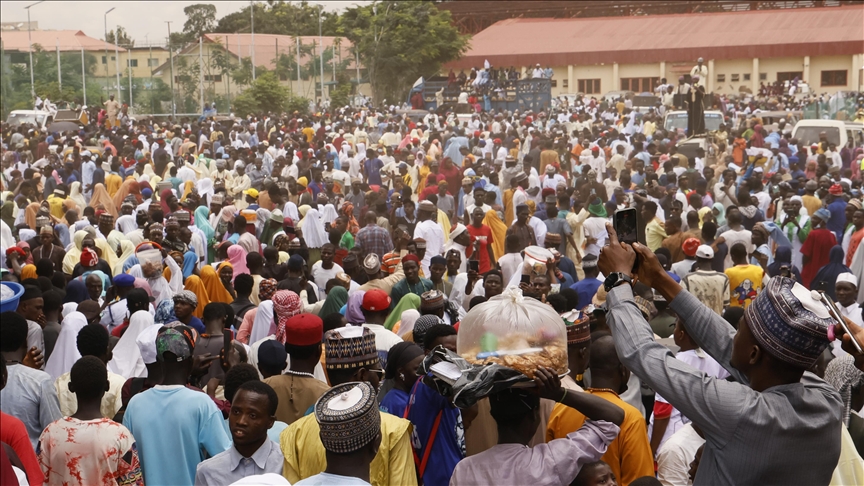
The Jabo incident underscores a fundamental challenge in military operations: protecting civilian psychological well-being. Burkati argued that to "douse the tension," both governments needed to clearly declare who was targeted, what was attacked, and what the outcomes were. He warned, "The more opaque the governments are, the more panic there would be on the ground, and that is what will escalate tension." This transparency is not merely a procedural concern but a humanitarian imperative, especially in areas where residents have no prior experience with such events and cannot distinguish between protective actions and new threats.
Conclusion: Balancing Security and Civilian Protection
The U.S. airstrikes in northwestern Nigeria aimed to combat terrorism but inadvertently terrorized a peaceful village. The event reveals that military success cannot be measured by tactical objectives alone; it must also account for the psychological and social impact on civilian populations. Effective counterterrorism requires not only precision strikes but also precise communication, ensuring that those meant to be protected do not instead become paralyzed by fear. As global powers engage in remote conflicts, the lesson from Jabo is clear: the human dimension of warfare demands as much attention as the military one.