Read on France 24
Niger's Junta Declares General Mobilization to Combat Jihadist Insurgency
Niger's military junta has ordered a general mobilization and requisition of people and resources to fight jihadist insurgents, according to a government statement. The measure, approved at a cabinet meeting, requires all citizens to comply with call-up orders to contribute to national defense. This move comes as the junta, which seized power in a July 2023 coup, faces escalating militant attacks across multiple fronts, including from al Qaeda, Islamic Jihad, Boko Haram, and ISWAP groups. The mobilization aims to preserve national territory integrity and protect the population amid a decade-long insurgency that has claimed nearly 2,000 lives.
Niger's military junta has taken a dramatic step in its ongoing battle against jihadist insurgents by declaring a general mobilization and requisition of people and resources. This significant measure, announced in a government statement on Saturday, represents a major escalation in the country's security strategy as it confronts growing militant threats following the July 2023 coup that ousted democratically elected president Mohamed Bazoum.
Understanding the Mobilization Order
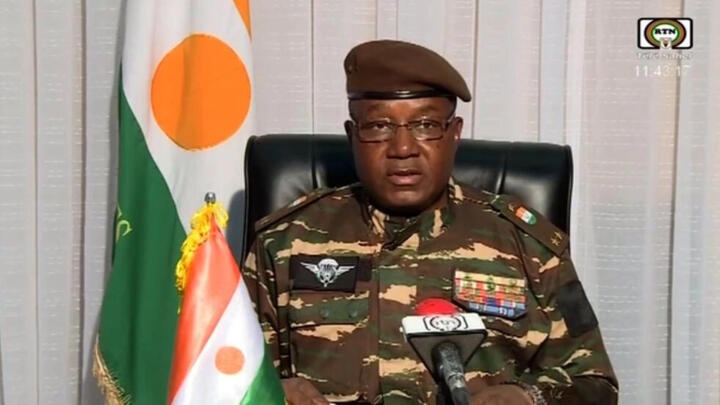
The general mobilization and requisition measures were formally adopted during a cabinet meeting on Friday, according to official statements. The government decree explicitly states that "people, property, and services may be requisitioned during general mobilisation to contribute to the defence of the homeland, in compliance with the legislation and regulations in force." This legal framework provides the junta with broad authority to commandeer resources and personnel for national defense purposes.
Under the new measures, every citizen is legally required to "respond immediately to any call-up or recall order, to comply without delay with the implementation of measures for the defense of the homeland, and to submit to requisition." The government has framed these actions as necessary to "preserve the integrity of the national territory" and "protect the population" from ongoing security threats.
Security Context and Jihadist Threats
Niger has been grappling with a deadly jihadist insurgency for approximately a decade, with various militant groups operating across different regions of the country. According to data from ACLED, an NGO that monitors conflicts, the violence has resulted in nearly 2,000 fatalities. The security situation has become increasingly complex since the military takeover in July 2023, with the junta facing attacks on multiple fronts from well-organized insurgent groups.
The primary threats come from al Qaeda and Islamic Jihad affiliates operating in western regions, while the country's southeast has been targeted by both Boko Haram and its rival militant group, ISWAP (Islamic State West Africa Province). This multi-front insurgency has stretched Niger's military resources and prompted the current mobilization measures. The security deterioration follows the junta's decision to expel French and US military personnel who had been assisting in counterterrorism operations, particularly in western regions where jihadist activity has been most intense.
Regional Military Cooperation
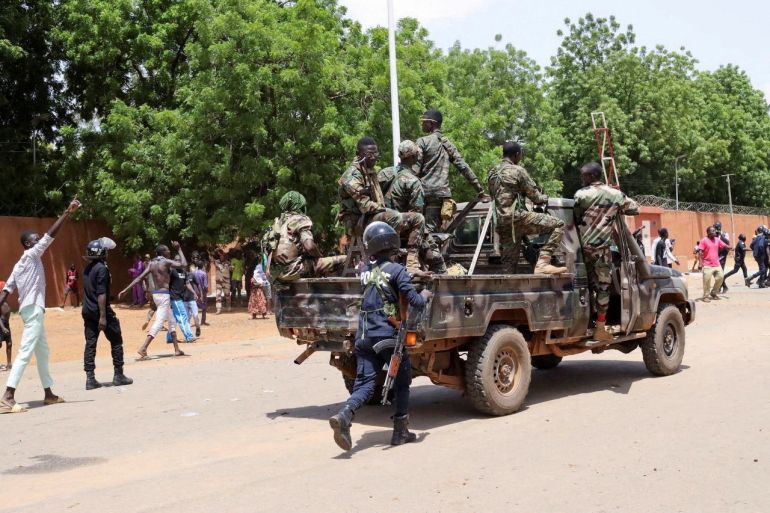
Niger's mobilization initiative occurs within the context of broader regional security cooperation among Sahel nations facing similar jihadist threats. The country has joined forces with neighboring Mali and Burkina Faso—all three currently governed by military juntas—to create a joint anti-jihadist force comprising 5,000 troops. This tripartite alliance represents a significant shift in regional security architecture, moving away from partnerships with Western nations toward intra-African military cooperation.
This regional approach complements Niger's domestic military expansion efforts. Five years prior to the current mobilization, Niger had already doubled the size of its military to approximately 50,000 troops and raised the retirement age for ranking officers from 47 to 52 years. These earlier measures indicate a longer-term strategy of military strengthening that has now culminated in the general mobilization order.
Civilian Contributions and National Defense
Beyond the formal mobilization measures, the junta has been encouraging civilian participation in national defense through voluntary mechanisms. Since 2023, the government has promoted a fund that solicits "voluntary" contributions from citizens to support military hardware procurement and agricultural development projects. This dual focus on security and economic development reflects the interconnected nature of counterinsurgency and stability in Niger's context.
The mobilization order represents the most comprehensive effort to date to harness national resources—both human and material—for the counterterrorism campaign. By legally mandating citizen participation, the junta aims to create a more unified national response to the security crisis, though the practical implementation and public reception of these measures remain to be seen.
Conclusion and Implications
Niger's declaration of general mobilization marks a critical juncture in the country's decade-long struggle against jihadist insurgency. The measures grant the military junta unprecedented authority to mobilize national resources while imposing significant obligations on citizens. As reported by France 24, this development occurs amid escalating violence and represents the junta's most assertive response to security challenges since seizing power.
The success of this mobilization strategy will depend on multiple factors, including effective implementation, public cooperation, and the continued effectiveness of regional military partnerships with Mali and Burkina Faso. As Niger navigates this intensified phase of its counterinsurgency campaign, the international community will be closely monitoring both security outcomes and the broader implications for governance and stability in the Sahel region.