Read on PBS News
A History of Tragedy: Deadly Shootings on U.S. College Campuses
The recent shooting at Brown University, which left two dead and nine critically injured, is the latest in a long and tragic history of gun violence on American college campuses. This article examines other deadly campus shootings in recent decades, from the 1966 University of Texas tower shooting to the 2023 Michigan State University attack, highlighting the persistent threat to educational institutions. Understanding this history is crucial for ongoing discussions about campus safety, gun policy, and community resilience in the face of violence.
The fatal shooting at Brown University on December 14, 2025, serves as a stark reminder that the sanctuary of higher education is not immune to gun violence. The incident in Providence, Rhode Island, which resulted in two deaths and at least nine critical injuries, prompted a city-wide shelter-in-place order and profound grief. As noted by Providence Mayor Brett Smiley, communities often believe such tragedies happen "in other places, but not here." This event has once again placed a spotlight on the disturbing pattern of deadly shootings at U.S. colleges and universities, a pattern that stretches back decades.
A Chronology of Campus Violence
The history of mass shootings on American campuses is both extensive and heartbreaking. These incidents vary in motive, from personal grievances and domestic disputes to ideological attacks and indiscriminate violence. The scale ranges from single fatalities to the deadliest school shooting in U.S. history.
The Deadliest Incident: Virginia Tech (2007)
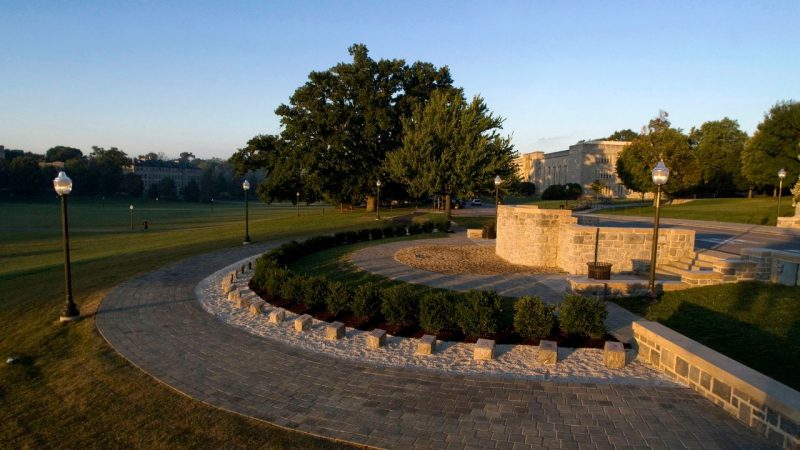
The most catastrophic event occurred at Virginia Tech in April 2007, when a 23-year-old student killed 32 people and wounded more than two dozen others before taking his own life. This tragedy remains the deadliest shooting at a U.S. college and fundamentally changed national conversations about campus security and emergency notification systems.
Recent Years: A Persistent Threat
The past few years have seen a continued series of attacks. In December 2023, a 67-year-old former professor opened fire at the University of Nevada, Las Vegas, killing three faculty members. Just months earlier, in February 2023, a gunman killed three students at Michigan State University. The year 2025 saw multiple incidents, including a shooting at Florida State University that left two dead and six wounded, and the fatal shooting of activist Charlie Kirk at Utah Valley University.
Patterns and Aftermath
Analysis of these events reveals several recurring themes. Perpetrators are often current or former students or staff with a perceived grievance against the institution or individuals within it. The locations are typically academic buildings, libraries, or student unions—places meant for learning and community. The aftermath consistently involves intense scrutiny of security protocols, debates over gun control legislation, and long-term trauma for campus communities.
Each event prompts a painful cycle of lockdowns, investigations, memorials, and calls for action. Universities are forced to balance their open, accessible nature with the need for safety, implementing measures like emergency alert systems, active shooter training, and increased security presence.
Conclusion: An Unresolved Crisis
The shooting at Brown University is not an isolated event but part of a deeply entrenched national crisis. From the University of Texas tower shooting in 1966 to the tragedies at Virginia Tech, Umpqua Community College, and Michigan State, American campuses have repeatedly been scenes of devastating violence. While each incident has unique circumstances, the common thread is the profound loss of life and the shattering of campus safety. As communities like Providence mourn, the broader national conversation about preventing such violence continues, underscoring the urgent need for comprehensive strategies to protect students, faculty, and staff in places dedicated to education and growth.