Fringe-Lipped Bats: The Miniature Lions of Panama's Forests
Researchers from Aarhus University and the Smithsonian Tropical Research Institute have discovered that fringe-lipped bats in Panama employ a remarkable 'hang-and-wait' hunting strategy that rivals big cats in efficiency. These tiny carnivorous bats spend most of their time conserving energy before striking with extraordinary precision, achieving success rates around 50% that surpass even apex predators like lions and polar bears. Using high-tech biologging devices, scientists captured unprecedented insights into how these small mammals can consume prey nearly their own body weight, challenging conventional understanding of predator-prey dynamics.
In the dense forests of Panama, a remarkable predator has been revealing secrets that challenge our understanding of hunting efficiency in the animal kingdom. Researchers from Aarhus University and the Smithsonian Tropical Research Institute have uncovered that fringe-lipped bats (Trachops cirrhosus) employ hunting strategies that rival—and sometimes surpass—those of much larger predators like lions and polar bears.
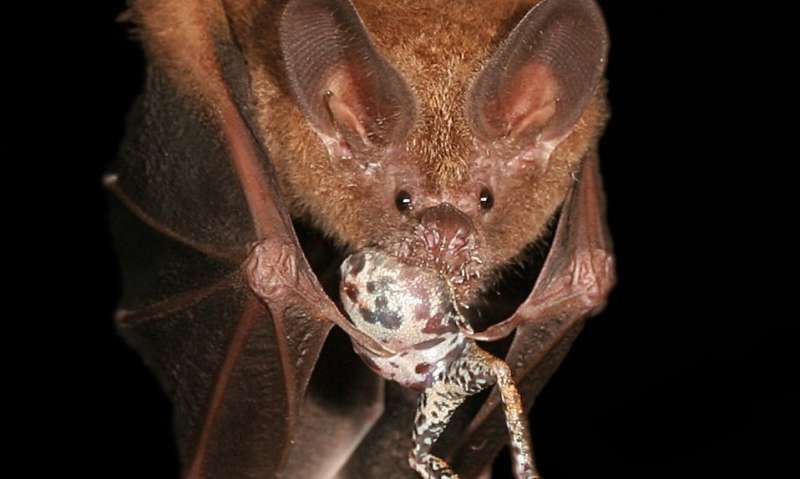
The Hang-and-Wait Strategy
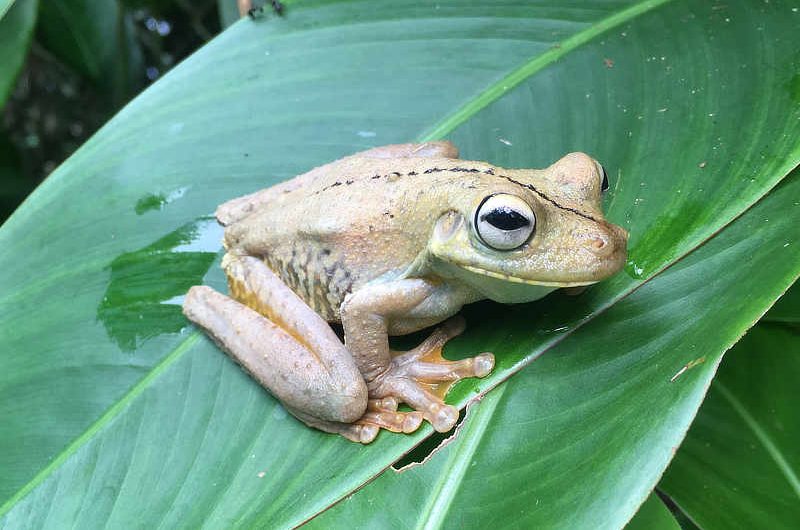
These tiny carnivorous bats utilize what scientists describe as a "hang-and-wait" technique, remaining motionless for extended periods while conserving energy. When they detect potential prey through their exceptionally acute sense of hearing, they strike with remarkable precision and speed. This approach allows them to target large, energy-rich prey including frogs, birds, and small mammals that can weigh nearly as much as the bats themselves.
Extraordinary Hunting Efficiency
The research, published in Current Biology, revealed that fringe-lipped bats achieve success rates of approximately 50% in their hunting attempts. This performance significantly exceeds that of larger predators—lions succeed in only about 14% of their hunts, while polar bears may succeed in as few as 2%. The bats' ability to detect low-frequency sounds helps them eavesdrop on frog mating calls and locate prey with exceptional accuracy.
Energy Conservation and Precision Strikes
During the study, bats spent approximately 89% of their time resting to conserve energy. When they did take flight, their hunting attempts were remarkably brief—most attacks lasted under three minutes, with average hunting flights of just eight seconds. This energy-efficient approach allows them to consume prey weighing up to 30 grams, nearly matching their own body weight in a single meal.
Experience Sharpens Hunting Skills
Older bats demonstrated even greater hunting efficiency, suggesting that experience plays a crucial role in developing their deadly precision. These bats are already known for their ability to remember specific frog calls and learn new hunting techniques through observation. The combination of sensory capabilities—including hearing, sight, and echolocation—creates a formidable hunting toolkit that improves with practice.
The discovery of these miniature predators' exceptional hunting capabilities provides new insights into predator-prey dynamics and challenges conventional wisdom about the relationship between body size and hunting strategy. As researchers continue to explore the hidden world of these efficient hunters, we gain a deeper appreciation for the sophisticated survival strategies that have evolved in even the smallest of Earth's creatures.