Read on nature.com
The Fringe-Lipped Bat: Nature's Exceptional Predator
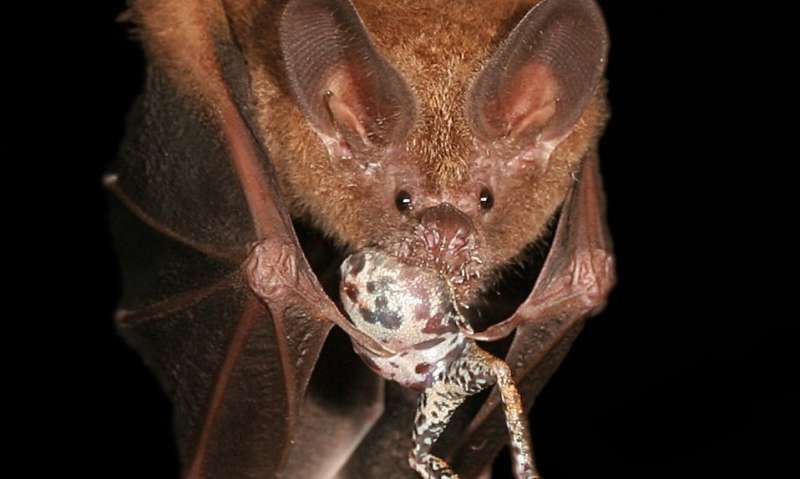
The fringe-lipped bat defies conventional predator-prey dynamics by ambushing vertebrates near its own size, making it one of nature's most efficient hunters. Unlike most small predators that target abundant insects, this remarkable bat species hunts frogs, lizards, and birds using sophisticated ambush tactics. Recent research reveals how these bats break ecological rules that typically govern predator size and prey selection, offering new insights into animal behavior and evolutionary adaptations.
In the complex world of predator-prey relationships, most species follow predictable patterns: large predators hunt large prey to compensate for low success rates, while small predators target abundant, easy-to-catch insects. However, the fringe-lipped bat shatters these conventions, emerging as one of nature's most exceptional hunters through its unique ambush strategies and vertebrate-hunting capabilities.

Breaking the Predator-Prey Rules
Most ecological models predict that predators select prey based on size constraints and energy efficiency. Large predators like lions or wolves pursue substantial prey because the energy reward justifies the hunting effort and lower success rates. Small predators, including most bat species, typically consume insects that require minimal hunting effort and are widely available. The fringe-lipped bat challenges this paradigm by targeting vertebrates that approach its own body size, representing a significant departure from typical foraging strategies.
Ambush Hunting Strategy
The fringe-lipped bat's hunting success stems from its sophisticated ambush tactics. Rather than pursuing prey through extended chases, these bats employ calculated ambush approaches that maximize efficiency while minimizing energy expenditure. This strategy allows them to capture substantial prey items that would typically be reserved for larger predators. The ambush method involves precise timing and positioning, enabling the bats to surprise their targets and secure successful captures with minimal risk.

Evolutionary Advantages
This unconventional hunting approach provides the fringe-lipped bat with significant evolutionary advantages. By targeting vertebrates, these bats access nutrient-rich food sources that support their energy requirements more efficiently than insect-based diets. The ability to hunt larger prey reduces the frequency of hunting expeditions, conserving energy and reducing exposure to predators. This specialized hunting strategy has likely evolved through specific environmental pressures and represents a remarkable adaptation in bat evolution.
Ecological Implications
The fringe-lipped bat's hunting behavior has broader implications for understanding predator-prey dynamics and ecosystem functioning. Their ability to break conventional size-based hunting rules suggests that ecological models may need refinement to account for such exceptions. These bats play unique roles in their ecosystems, potentially influencing vertebrate population dynamics in ways that insect-eating bats cannot. Understanding these specialized predators helps scientists appreciate the complexity of food webs and the diverse strategies animals employ for survival.
Research Significance
Recent studies, including research published in Current Biology, continue to uncover the mechanisms behind the fringe-lipped bat's hunting success. Scientists are particularly interested in how these bats locate, identify, and capture vertebrate prey using sensory adaptations and behavioral strategies. This research not only enhances our understanding of bat biology but also provides insights into evolutionary processes and the flexibility of predator-prey relationships in nature.
The fringe-lipped bat stands as a testament to nature's capacity for innovation in survival strategies. Its ability to defy conventional predator-prey rules through sophisticated ambush hunting demonstrates the complexity of ecological relationships and the ongoing discoveries awaiting researchers in animal behavior studies. As scientists continue to investigate these remarkable hunters, we gain deeper appreciation for the diversity of life strategies that have evolved across the animal kingdom.