Orcas' Sophisticated Shark Hunting Strategy Reveals Advanced Intelligence
In the Gulf of California, marine biologists have documented a remarkable hunting behavior by Moctezuma's pod of orcas that demonstrates extraordinary intelligence and social learning. These killer whales have perfected a technique of flipping juvenile great white sharks upside down, inducing temporary paralysis to extract their nutrient-rich livers. This chillingly precise method, observed in multiple hunting events, suggests cultural transmission of specialized hunting tactics within orca pods and highlights how climate-driven shifts in shark distribution may be creating new predator-prey dynamics in marine ecosystems.
In the marine ecosystems of the Gulf of California, a fascinating predator-prey dynamic has emerged that showcases the remarkable intelligence and adaptability of killer whales. Marine biologists have documented Moctezuma's pod of orcas developing a sophisticated hunting technique specifically targeting juvenile great white sharks, revealing insights into animal intelligence and cultural transmission within marine mammal societies.
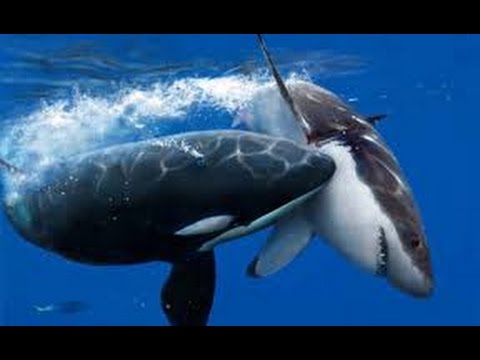
The Hunting Technique
The orcas' method involves a coordinated attack where multiple individuals work together to flip young great white sharks onto their backs. This action induces a temporary paralysis known as tonic immobility, a natural state that occurs when sharks lose awareness of their environment. Once immobilized, the orcas can safely extract the nutrient-rich liver while minimizing the risk of injury from the shark's teeth.
Researchers from Frontiers in Marine Science documented this behavior during two separate hunting events in August 2020 and August 2022. In each incident, five orcas worked in coordination to pursue, flip, and subdue juvenile white sharks. The precision of these attacks suggests a learned behavior that has been refined through experience and social transmission within the pod.

Intelligence and Social Learning
This hunting behavior provides compelling evidence of advanced cognitive abilities in orcas. According to marine biologist Erick Higuera Rivas, project director at Conexiones Terramar and Pelagic Life, "This behavior is a testament to orcas' advanced intelligence, strategic thinking, and sophisticated social learning, as the hunting techniques are passed down through generations within their pods."
The fact that Moctezuma's pod was already known for hunting rays, whale sharks, and bull sharks suggests they may have adapted existing hunting strategies to target great white sharks. This ability to modify and apply learned behaviors to new prey demonstrates remarkable behavioral flexibility and problem-solving capabilities.
Environmental Factors
Climate cycles such as El Niño appear to be playing a role in creating these new hunting opportunities. Shifts in ocean temperatures have changed white shark nursery zones, bringing more juvenile sharks into the Gulf of California where they encounter Moctezuma's pod. These environmental changes may be providing the orcas with seasonal access to a new food source.
Dr. Salvador Jorgensen of California State University notes that while adult white sharks quickly evacuate areas when orcas are present, juvenile sharks may be more vulnerable due to their inexperience. This generational difference in predator awareness raises questions about whether anti-predator responses in white sharks are instinctual or must be learned through experience.

Research Implications
The documented interactions between orcas and great white sharks challenge previous assumptions about predator-prey relationships in marine ecosystems. While these observations are limited, they suggest that orcas may target white sharks more frequently than previously thought. Further research is needed to determine whether this represents a regular feeding strategy or opportunistic behavior.
As Dr. Francesca Pancaldi of the Instituto Politécnico Nacional explains, understanding these extraordinary feeding behaviors can help identify critical habitats and inform conservation efforts. This knowledge is essential for developing protected areas and management plans to mitigate human impact on these intelligent marine predators.
The sophisticated hunting techniques displayed by Moctezuma's pod underscore the complexity of marine ecosystems and the advanced cognitive abilities of orcas. As climate change continues to alter marine environments, such predator-prey interactions may become increasingly important to monitor and understand for effective ocean conservation and management.