Read on Global News
Canadian Rifles in Russian Hands: Government Response to Sanctions Breach
Foreign Affairs Minister Anita Anand has launched an investigation following reports that Canadian-made rifles are being used by Russian snipers in Ukraine despite sanctions. The Global News investigation revealed Quebec-manufactured firearms appearing in Russian social media channels, with some weapons appearing brand new with product tags still attached. Minister Anand emphasized Canada's advanced military export controls and commitment to monitoring these claims seriously, while the manufacturer Cadex Defence maintains it follows export laws and has traced some rifles to a US shipment.
Foreign Affairs Minister Anita Anand has initiated a formal investigation into how Canadian-made rifles have reached Russian snipers despite comprehensive sanctions against Russia. This development follows a Global News investigation that documented Quebec-manufactured firearms appearing in Russian social media channels, raising serious questions about sanctions enforcement and weapons diversion.
Government Response and Investigation
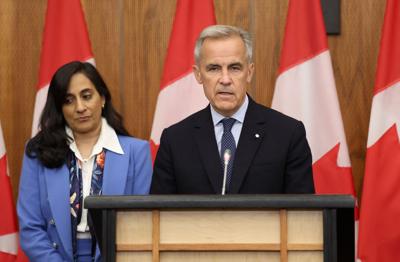
Minister Anand confirmed she is "looking into this issue and others right now" in response to questions about the report. As the minister responsible for sanctions enforcement, Anand emphasized that Canada maintains "among the world's most advanced military export controls" and that the government would be "monitoring and taking these types of claims very seriously." The investigation comes at a critical time when Canada faces increasing scrutiny over its ability to prevent military technology from reaching adversaries.
Evidence of Canadian Rifles in Russian Hands
The Global News investigation uncovered compelling evidence of Canadian firearms appearing in Russian possession. Photographic evidence shows Canadian rifles on Russian social media channels, with some weapons appearing brand new and still bearing product tags. More concerningly, these rifles are reportedly being used by decorated Russian snipers operating against Ukrainian forces, with one sniper credited with 100 kills using Canadian equipment.
Manufacturer Response and Supply Chain Tracing
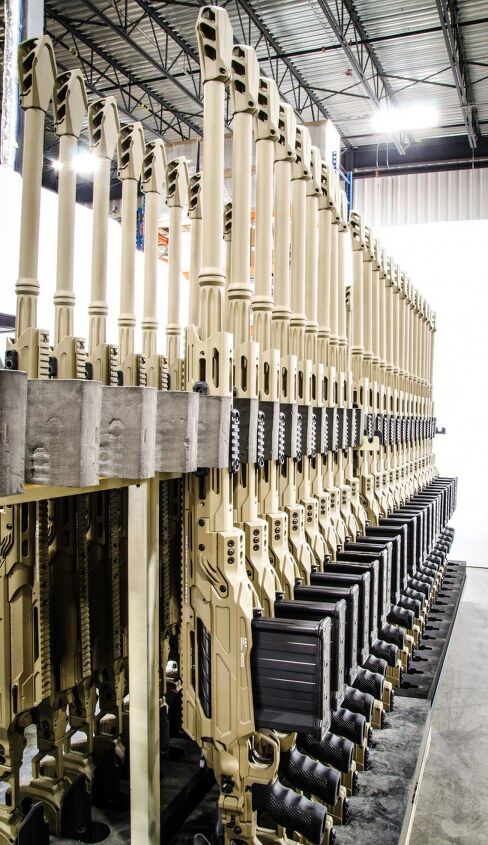
Cadex Defence, the Quebec-based manufacturer of the rifles in question, maintains that it strictly follows Canada's export laws and does not export directly to Russia. The company conducted its own investigation and traced 10 rifles identified in Russian customs documents to a shipment sent to the United States. Upon discovering this diversion, Cadex Defence immediately cut off the American purchaser involved in the transaction.
Political Reactions and Broader Concerns
The revelation has sparked significant political reaction across party lines. Opposition foreign affairs critic Michael Chong highlighted that this is not an isolated incident, noting previous cases where "detonators used in Russian landmines, turbines shipped for Russian pipelines and avionics supplied for Russian drones" have helped Putin's war effort. The NDP described the situation as "deplorable" and called for improved sanctions enforcement to prevent transit countries from being used to circumvent legal obligations.
Ukraine's Ambassador to Canada, Andrii Plakhotniuk, emphasized the need for "thorough investigation" whenever military goods flow to Russia and expressed support for "continued strengthening of the sanctions regime, including tighter monitoring and end-user controls." This incident underscores the challenges in maintaining effective sanctions against determined adversaries who exploit global supply chain vulnerabilities.

The situation highlights the complex nature of modern arms control and sanctions enforcement. Despite comprehensive prohibitions on selling arms to Russia following President Vladimir Putin's invasion of Ukraine, Russia has demonstrated continued ability to acquire weapons through various diversion methods. This case serves as a critical test of Canada's export control systems and international cooperation in preventing weapons from reaching sanctioned entities.