 Read on cbsnews.com
Trump Administration Pauses Diversity Visa Lottery Following Brown University Shooting
Homeland Security Secretary Kristi Noem has announced an immediate pause of the Diversity Visa Lottery program, citing its alleged use by the suspect in the Brown University and MIT shootings. The program, which grants 50,000 visas annually via lottery to individuals from countries with low U.S. immigration rates, faces renewed scrutiny from the Trump administration over security concerns. This article examines the program's mechanics, the legal basis for the pause, and the ongoing debate between security risks and the program's economic and diplomatic benefits.
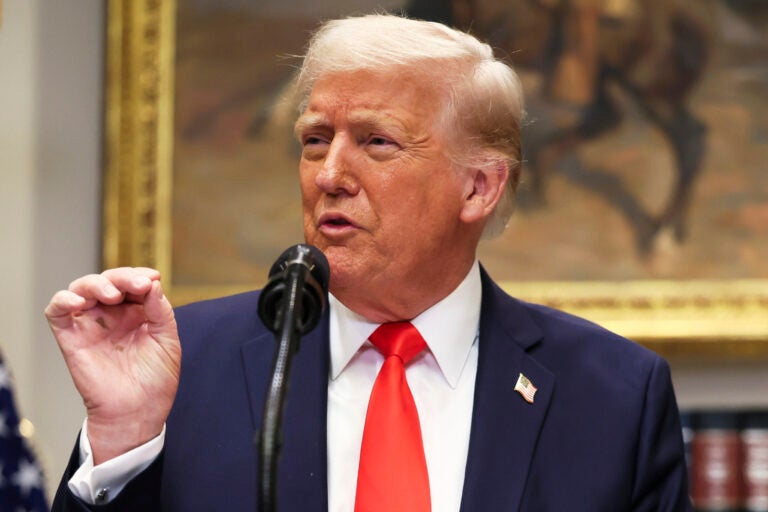
In a significant immigration policy shift, Secretary of Homeland Security Kristi Noem announced late Thursday that the Trump administration is pausing the Diversity Visa Lottery program. The decision, directed by President Trump, comes in direct response to revelations that the suspected shooter in the recent Brown University and Massachusetts Institute of Technology (MIT) attacks, Claudio Manuel Neves Valente, initially entered the United States through this program in 2017. This move reignites a longstanding debate about the security, merit, and purpose of a unique pathway to American residency.

The Diversity Visa Lottery: Purpose and Process
Launched in the 1990s, the Diversity Immigrant Visa Program (DV program) was established by Congress with a specific goal: to diversify the immigrant population in the United States. It does this by offering up to 50,000 permanent resident visas (green cards) each fiscal year to individuals from countries with historically low rates of immigration to the U.S. The selection is conducted via a random computerized lottery, drawing from tens of millions of global applicants annually. To qualify, applicants must have at least a high school education or its equivalent, or two years of work experience in an occupation requiring at least two years of training or experience.
The Trigger for the Pause: The Brown University Shooting Case
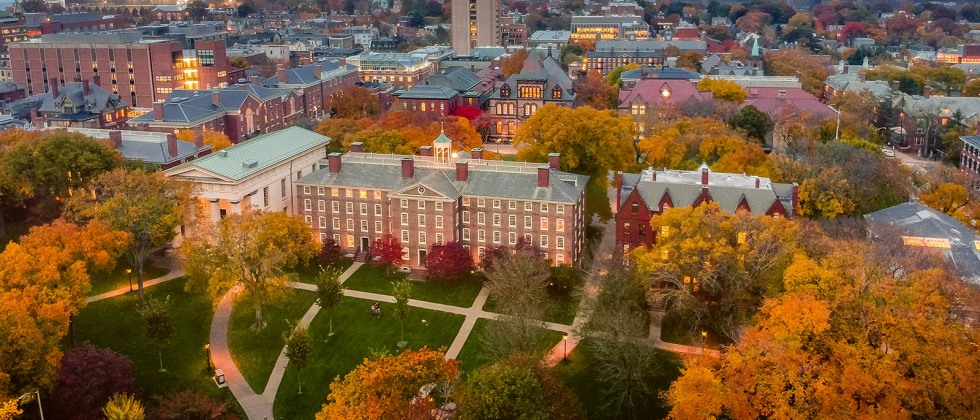
The administration's immediate action was precipitated by the case of Claudio Manuel Neves Valente, a 48-year-old Portuguese national. According to authorities and a CBS News report, Neves Valente was issued a green card through the diversity visa lottery in 2017. He is the suspected perpetrator of a shooting at Brown University that killed two students and wounded nine, and is also believed responsible for the fatal shooting of an MIT professor days later. Secretary Noem stated on social media platform X, "This heinous individual should never have been allowed in our country... I am immediately directing USCIS to pause the DV1 program to ensure no more Americans are harmed by this disastrous program."
Legal and Operational Questions Surrounding the Pause
The announcement raises immediate questions about the legal authority for such a pause. The diversity visa program is a creation of Congress, and the primary administrative authority for issuing the visas lies with the State Department, not the Department of Homeland Security (DHS). A small subset of cases for applicants already in the U.S. is handled by U.S. Citizenship and Immigration Services (USCIS), a DHS component. Following Noem's directive, Secretary of State Marco Rubio also announced a pause on the issuance of diversity visas "until we can be sure we know exactly who we are letting into our country." The coordinated action suggests an administration-wide approach, though the specific legal mechanism being invoked remains unclear.
A Renewed Policy Debate: Security vs. Diversity
This is not the first time the Trump administration has targeted the diversity visa lottery. President Trump has been a longstanding critic, arguing the program poses security risks and lacks a merit-based selection process compared to employment-based visas. Early in his first term, he pushed to end the program after a 2017 New York City terror attack was carried out by a diversity visa recipient. In 2020, his administration suspended the program as part of broader pandemic-era immigration restrictions, a policy later reversed by President Biden in 2021. Supporters of the program counter that all recipients undergo rigorous vetting, including background checks and interviews, and argue the program benefits the U.S. economy and strengthens America's image as a land of opportunity.
Conclusion and Implications
The pause on the Diversity Visa Lottery represents a swift and consequential immigration policy action by the Trump administration, directly linking a specific immigration pathway to a tragic violent crime. While framed as a necessary security measure, the move is certain to face legal challenges and intense political debate. It highlights the perennial tension in immigration policy between open, diverse pathways and stringent security controls. The future of the program, which affects tens of thousands of hopeful immigrants annually, now hangs in the balance as the administration reviews its procedures and Congress potentially reconsiders its legislative foundation.